Waldorf Inspired
Homeschooling
Homeschooling using the Waldorf pedagogy is a wonderful option for families, but sometimes, breaking down the philosophy and navigating how to practically implement it can be challenging. You may begin here to get acquainted with the Waldorf pedagogy. I share my how we implement of the main lesson, how we do block rotations, and what subjects we include. Sometimes we stay close to the Waldorf approach, other times we exercise our homeschool freedom and tailor our lessons for our children, circumstance or preferences. We often modify the blocks or subjects to suit our family. With each modification we stray further from the classical Waldorf approach.
What is Waldorf Education?

The Four Temperaments
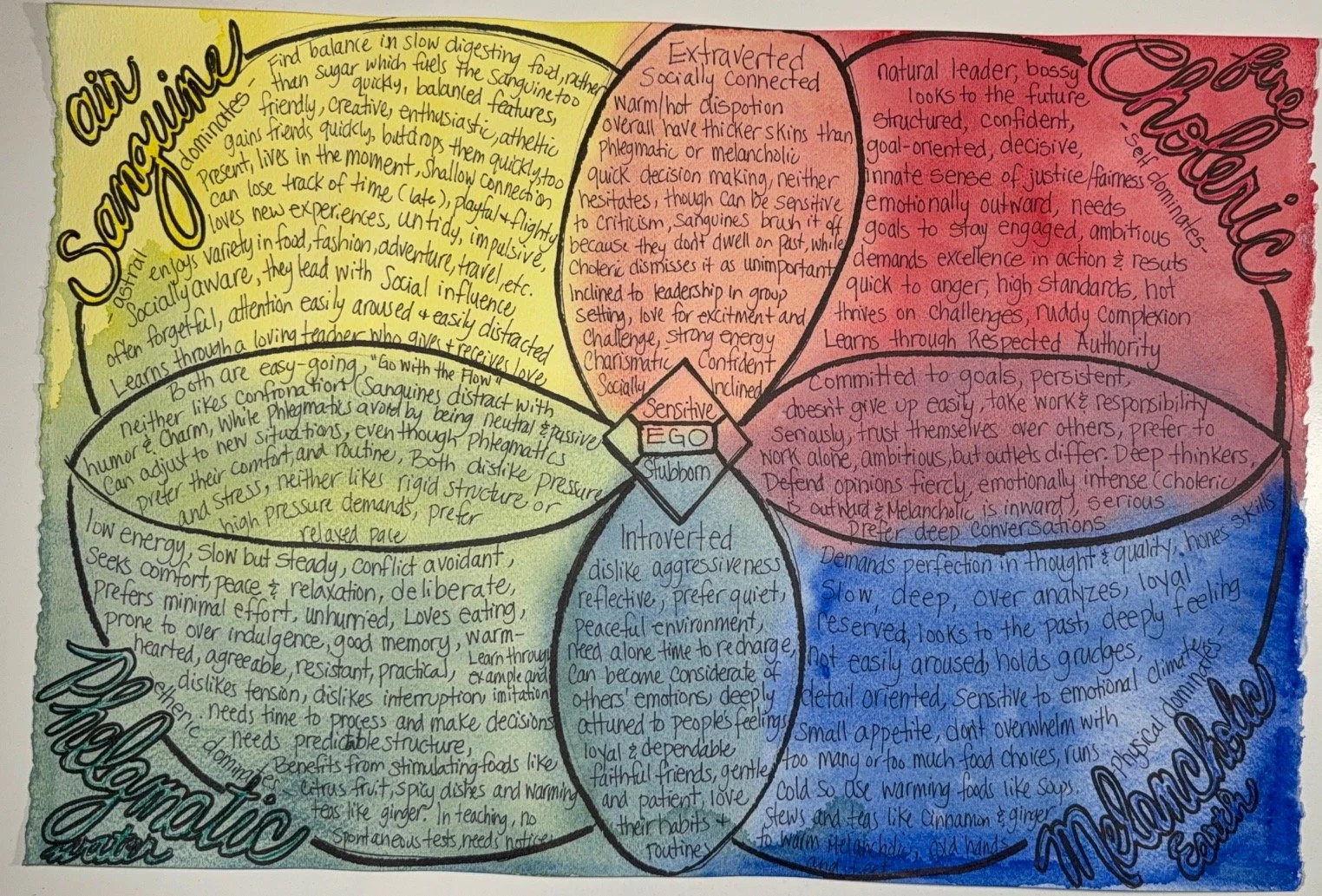
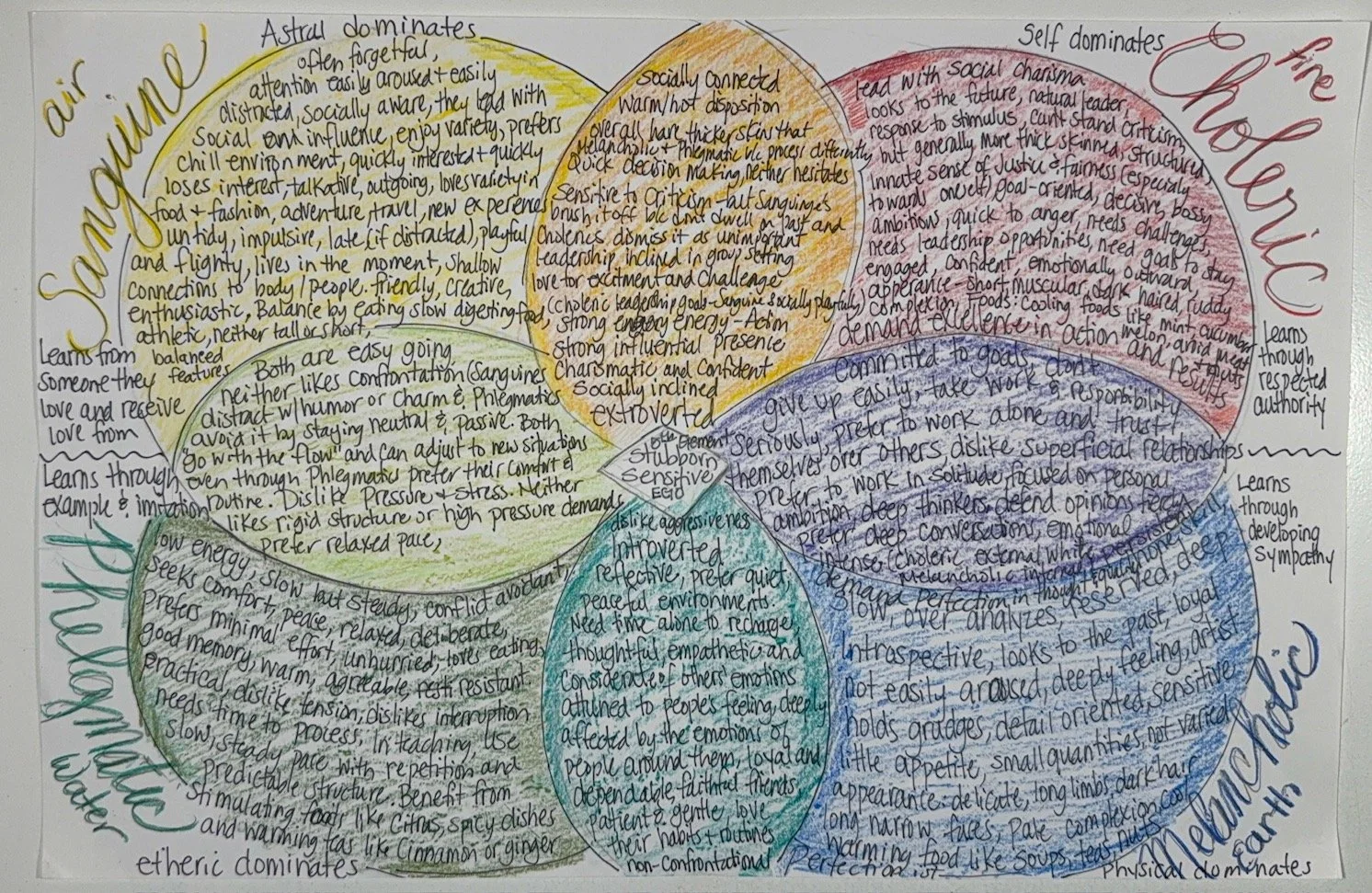
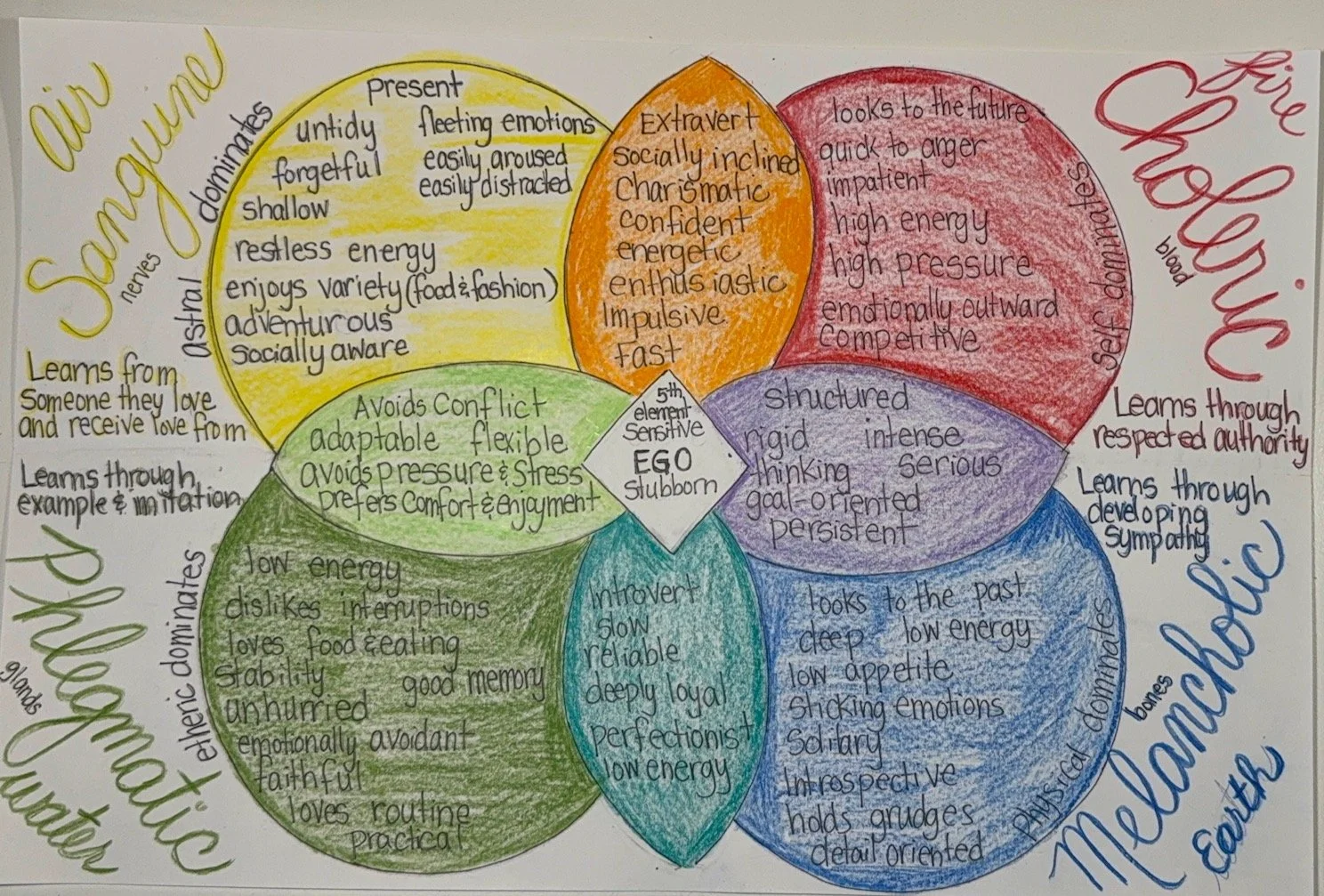
Did you know that we are all a mix of the four temperaments? However, we tend to have a dominant temperament, a subdominant temperament, a temperament we loosely associate with a temperament that really doesn’t define us. But in actuality, we are a mix of all of them And striving for harmony between the temperaments we look to balance out our traits and qualities so that we can achieve an overall balanced temperament.
But how do you identify what temperament you are? How do you identify your strengths within that temperament? What shortcomings do you have to grow through as part of your temperament? And what can development of your temperament give you in your life’s journey?
Understanding Child Development through the Waldorf Lens
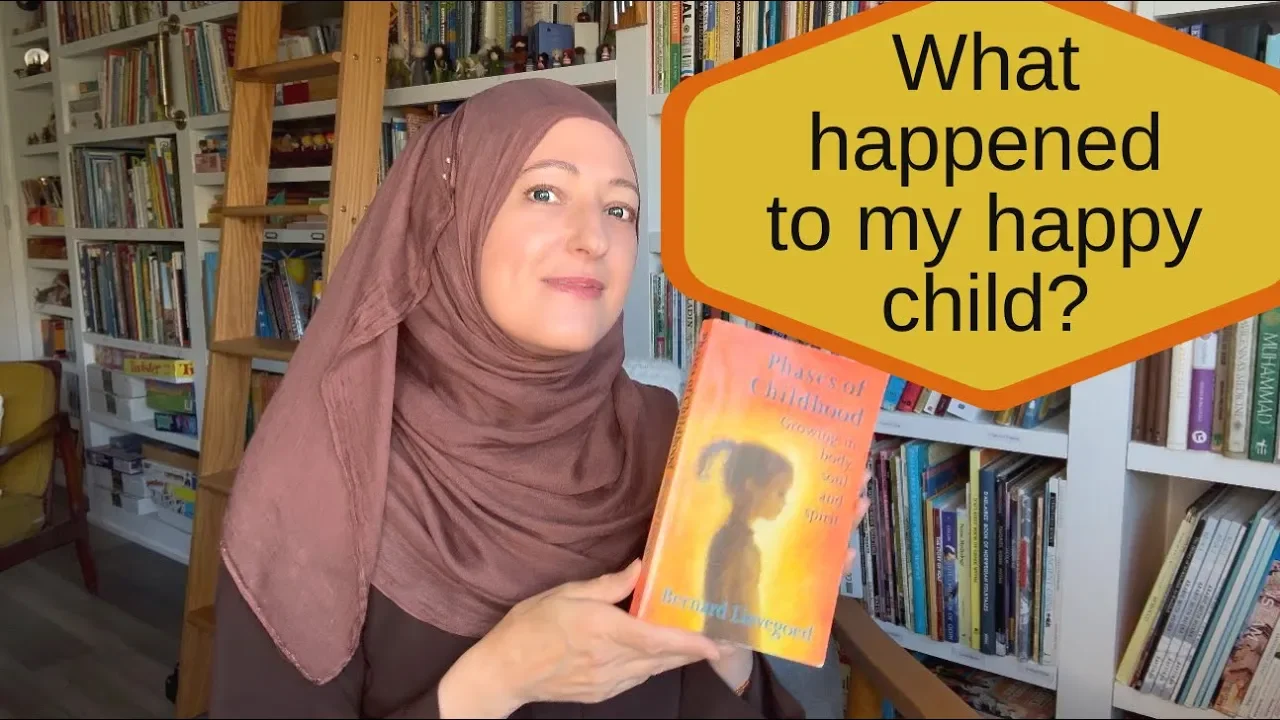
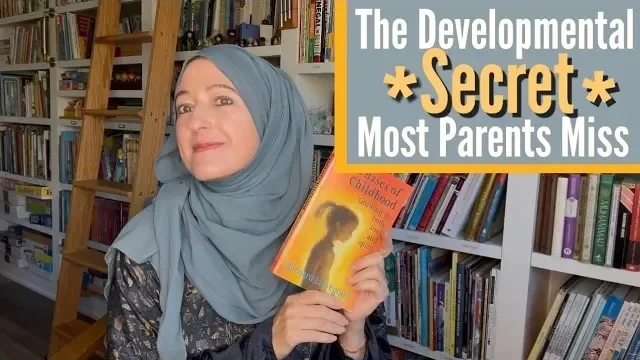
How does child development look when examined through the Waldorf lens. I'm primarily using Bernard Lievegoed's Phases of Childhood to explore child development in 7-year-cylces, but other Waldorf resources are used as well and a complete list can be found on the blog post that accompanies this video. While the idea of seven-year developmental periods is ancient, Waldorf education uniquely describes these stages as the development of willing, feeling, and thinking.
From birth to age seven, children are in the willing stage. They learn through movement, imitation, and direct experience. Within this stage are three phases: willing-willing (0-2⅓), feeling-willing (2⅓-4⅔), and thinking-willing (4⅔-7). During the first years, infants are fully engaged in mastering their bodies, learning to walk, speak, and think. Around age two and a half, children experience a profound awakening of the "I," becoming aware of themselves as separate individuals. This often coincides with increased autonomy, strong emotions, and the emergence of the word "no."
Around age five, children experience another developmental shift. Their play becomes truly imaginative and cooperative rather than parallel. They begin creating and participating in shared imaginative worlds and are increasingly able to process experiences through storytelling and creative play. Physical changes, such as the lengthening of the limbs and eventually the loss of baby teeth, indicate that the life forces previously devoted to building the body are becoming available for academic learning.
From age seven to fourteen, children enter the feeling stage. Learning now takes place through imagination, imagery, stories, art, and a loving authority. Children remain deeply connected to the world of fantasy and are able to receive profound truths through stories and symbols. Academic subjects are introduced in a way that engages feeling and imagination rather than abstract reasoning.
Around age nine comes the significant "nine-year change." Children begin to experience themselves as separate from the world. They develop a new awareness of time, reality, and individuality. This can be accompanied by grief, anxiety, emotional sensitivity, and questions about what is real. It marks an awakening to the world and a loss of some of the innocence of early childhood.
Around age eleven to twelve, another major transition occurs. Puberty approaches, the limbs lengthen, and the will forces undergo a metamorphosis. Students begin questioning authority and developing a stronger sense of justice and independence. Their thinking matures, allowing them to study subjects such as physics, chemistry, astronomy, history, and perspective drawing.
From age fourteen to twenty-one, young people enter the thinking stage. With the birth of the astral body, they develop the capacity for abstract thought, critical thinking, logic, and independent judgment. Adolescents become interested in deeper questions about truth, meaning, and purpose.
Around age sixteen, another profound developmental milestone occurs. I describe this as an awakening to God or a spiritual search for truth. Adolescents begin questioning the beliefs and values they previously accepted from parents and teachers. They seek spiritual, moral, and philosophical truths that can withstand independent examination.
Finally, the eighteen-year Rubicon marks the transition into adulthood. Young people feel a growing desire to leave home, pursue higher education, enter the workforce, travel, and discover their purpose in the world. Their thinking and will forces are synthesized as they prepare to step into adult life with increasing independence and responsibility.
Throughout these seven-year cycles, physical changes, psychological development, and educational needs unfold together, each stage preparing the foundation for the next.
List of resources can be found here.
Paper of Child Development can be found here.
Check out the video here.
Understanding Child Development through the Waldorf Lens | Birth to Age 7
Chapter 3 explores the first seven years of life through the lens of Waldorf child development and Bernard Lievegoed’s Phases of Childhood. The years from birth to age seven are understood as the willing stage of development, a time when children learn primarily through movement, imitation, and direct experience. During these years, the child is not yet learning through intellectual instruction but through doing, sensing, and participating in the world around them.
Within this first seven-year cycle are three distinct phases, each lasting approximately two and one-third years. The first phase is the willing-willing stage, followed by the feeling phase within the willing stage, and finally the thinking phase within the willing stage. These phases are marked by important developmental milestones that reveal both physical and psychological growth.
The earliest years are characterized by remarkable physical and neurological development. The infant enters the world as though it were one large sense organ, absorbing experiences without filters. The baby's primary task is mastery of the body. Learning to lift the head, control the arms, sit, crawl, stand, and eventually walk are not merely physical achievements but expressions of deeper developmental processes. During this time, the child is also acquiring language and beginning to develop the foundations of thinking.
The first months of life are especially significant. Around three months, many parents notice a new awareness in the baby's eyes, a visible sign of awakening consciousness. By nine months, communication between the brain hemispheres is increasing, mobility expands through crawling and standing, and the child begins preparing for upright movement. Walking is viewed as one of the defining characteristics of human development because it frees the hands for purposeful activity and changes the child's relationship to the world.
Language development accompanies these physical achievements. As children learn to speak, they are not simply acquiring vocabulary but also developing patterns of thought. Language shapes perception and understanding. Children first grasp whole concepts before learning individual details. A young child understands the idea of a tree, house, or car long before understanding classifications and distinctions. Because language carries cultural, social, and even spiritual significance, the speech surrounding a child has a profound influence on character formation and development.
One of the most significant milestones occurs around two and one-third years of age with the emergence of the “I.” Before this point, the child experiences little separation between self and caregiver. With the development of self-awareness comes the ability to refer to oneself as “I” rather than by name. This marks the first major experience of individuality and separation. It is also accompanied by strong feelings and a growing desire for independence, often expressed through the behaviors commonly associated with toddlerhood.
The period from approximately two and one-third to four and two-thirds years represents a feeling phase within the larger willing stage. During this time, emotional life becomes more pronounced. The child is still learning primarily through imitation and movement, but feelings increasingly shape experiences. Growth occurs in the trunk and rhythmic system, including the heart and lungs. The child develops stronger desires, preferences, and emotional responses while continuing to absorb the surrounding environment deeply and unconsciously.
At around four and two-thirds to five years of age, another significant developmental shift occurs. Growth moves into the limbs, the body begins to lengthen, and the rounded features of early childhood gradually give way to a more childlike appearance. The spine develops its characteristic curves, the neck lengthens, facial features mature, and coordination improves. These physical changes reflect an inner developmental transformation.
This stage also marks the emergence of shared imaginative play. Prior to this milestone, children often play alongside one another in parallel activity. Afterward, they become capable of sustaining rich imaginative experiences together. Cooperative storytelling, role-playing, and creative games emerge naturally. Imagination becomes a central developmental tool, allowing children to process experiences, experiment with social roles, and explore the world through play.
Play itself is viewed as the essential work of childhood. Through play, children integrate sensory experiences, practice social interactions, and develop thinking, feeling, and willing capacities. Open-ended materials such as blocks, fabrics, and simple toys are especially valuable because they allow the child's imagination to transform them into countless possibilities. The less defined the toy, the more room there is for creative development.
Throughout the first seven years, imitation remains the dominant mode of learning. Young children absorb not only visible actions but also moods, attitudes, and moral qualities from the adults around them. Because they lack the filters and self-awareness of older children and adults, they take in their environment with extraordinary openness. This makes the inner life of parents and caregivers particularly important. Children learn not only from what adults say but from who adults are.
The development of trust is another essential task of early childhood. When a baby's needs are met consistently and lovingly, a foundation of trust in the world is established. While later experiences can help heal difficulties, the earliest years create important foundations for emotional and social development.
Memory also develops in stages. Environmental memory emerges first, connecting experiences to places and surroundings. Rhythmic memory becomes especially strong during the preschool years, explaining children's love of repetition, songs, verses, and repeated stories. Abstract memory develops much later and is associated with the emergence of analytical thinking after the nine-year change and especially after puberty.
The chapter concludes by exploring the importance of stories, particularly fairy tales. Fairy tales communicate profound truths about life, death, courage, morality, and human development through imaginative imagery that speaks directly to the child's developmental stage. Rather than teaching abstract concepts, these stories allow children to absorb meaning through pictures, symbols, and imagination. Whether through traditional fairy tales or culturally meaningful stories, narrative becomes a vehicle for moral and spiritual development during the early years.
The first seven years are therefore a period of extraordinary transformation. The child moves from complete dependence and sensory immersion to greater individuality, imagination, movement, language, and self-awareness. Walking, talking, and thinking emerge through a developmental process that unfolds naturally when supported by loving relationships, rich experiences, meaningful play, and an environment worthy of imitation.
Language trains the brain how to think (each language offers a unique perspective, take for instance the gendered vs. non gendered nouns). Check out this video by Lera Boriditsky on How Language Trains How We Think. And this Tiktok on language and it shapes our reality.
Check out the video here.
Child Development from 7 to 14: Feeling, Imagination, and Awakening to the World
In chapter 4 of Phases of Childhood, Bernard Lievegoed explores the years between the loss of the baby teeth and puberty, roughly ages seven to fourteen. To understand this period, it helps to place it within the larger framework of three seven-year cycles. The first seven years are dominated by the will and learning through imitation. The second seven years are dominated by feeling and learning through imagination and story. The third seven years are dominated by thinking and the capacity for abstract thought, reason, and logic.
Each seven-year cycle is divided into three phases marked by developmental milestones or “rubicons.” Within every stage there is a progression from willing, to feeling, to thinking. At the same time, physical development mirrors inner development. Changes in the head correspond to thinking, changes in the chest and trunk correspond to feeling, and changes in the limbs correspond to the development of the will. Physical growth and inner growth are always connected.
The transition from kindergarten into first grade is one of the most important passages in childhood. Children move from a primarily play-based environment into one that includes academic instruction. Not every child reaches this readiness at the same age. Some children are ready before seven, while others may need more time. Developmental readiness is revealed through physical, emotional, and cognitive changes rather than chronological age alone.
The nearly seven-year-old child still lives deeply in imagination. Imagination is not merely something the child thinks about; it is the medium through which the child experiences the world. Before this age, children absorbed the world directly through their senses. Around six and a half to seven years old, a subtle separation develops between the child and the surrounding world. This can be observed physically in the changing shape of the face, the loss of baby teeth, the development of the jaw, neck, and nose, and the overall refinement of the body. The child becomes more slender, the limbs lengthen, and the proportions of the body shift from the large-headed appearance of early childhood toward the more balanced proportions of the school-age child.
These physical changes indicate a significant thinking metamorphosis. During the first seven years, thinking was closely tied to perception and direct experience. By age seven, thinking begins to operate through imagination. The child can form mental pictures and retain images inwardly. However, thinking remains concrete and image-based. Abstract concepts are still beyond the child’s natural capacity.
Language plays an important role in this development. During the first years of life, language acquisition centered on naming the world and building vocabulary. In the elementary years, language becomes the vehicle through which the child understands reality. Stories, images, and imaginative descriptions help the child make sense of the world. Teachers serve as interpreters of reality, presenting knowledge through pictures and narratives that can be understood by the child’s imaginative consciousness.
This approach is especially important when introducing academic subjects. Reading, writing, spelling, and mathematics all require a degree of abstraction. In Waldorf education, stories and images bridge the gap between concrete experience and abstract symbols. Letters emerge from pictures, sounds emerge from stories, and concepts arise from lived experience. The child understands through images before understanding through concepts.
The will of the seven-year-old is also changing. In early childhood, thought and action were closely connected. The young child saw something desirable and immediately moved toward it. By age seven, there is a growing capacity to set goals and carry out purposeful activity. The child can imagine building a fort, gather materials, and work toward that goal. Nevertheless, the will remains closely connected to personal desires and needs. Children are not yet acting from moral ideals or independent convictions. They still require strong rhythms, routines, and loving guidance to support healthy development.
The curriculum of the early elementary years reflects these developmental needs. First grade continues many elements of kindergarten, including storytelling, movement, imagination, and artistic activity. Fairy tales provide the basis for introducing letters and language. Form drawing develops coordination and dexterity. Learning engages the whole body, allowing thinking, feeling, and willing to work together.
Physiologically, the seven-year-old is developing greater stamina, endurance, coordination, and fine motor control. The child enters a larger social community and learns through a relationship with a loving authority, usually the teacher. At this age, children naturally trust and admire their teachers, making the teacher’s role especially significant.
Between seven and nine years old, children are in a willing phase of the feeling stage. Thinking is undergoing a metamorphosis, and memory begins to emerge as an important capacity. Forces previously devoted to building the physical body become available for habits, rhythm, routine, and memory. Learning is supported through songs, verses, poetry, movement, and repetition rather than abstract explanation.
The next major milestone is the nine-year change. Just as the child awakened to selfhood around age three, the child now awakens to the world. Before this transition, the child experienced unity with the world and lived within the protective veil of imagination. Around nine and a half, that veil begins to lift. The child becomes aware of being separate from the world and experiences a new sense of time, limitation, and individuality.
This transition can be emotionally intense. Children may experience sadness, loneliness, anxiety, fear, grief, or uncertainty. They may question long-held beliefs and begin to doubt the magical realities they once accepted unquestioningly. The curriculum supports this transition through practical studies such as farming, shelter building, and clothing, helping the child develop confidence and security in the physical world.
Physically, this period is accompanied by growth in the trunk and chest, reflecting the strong development of feeling life. The child’s emotional experiences deepen as feeling undergoes its own metamorphosis.
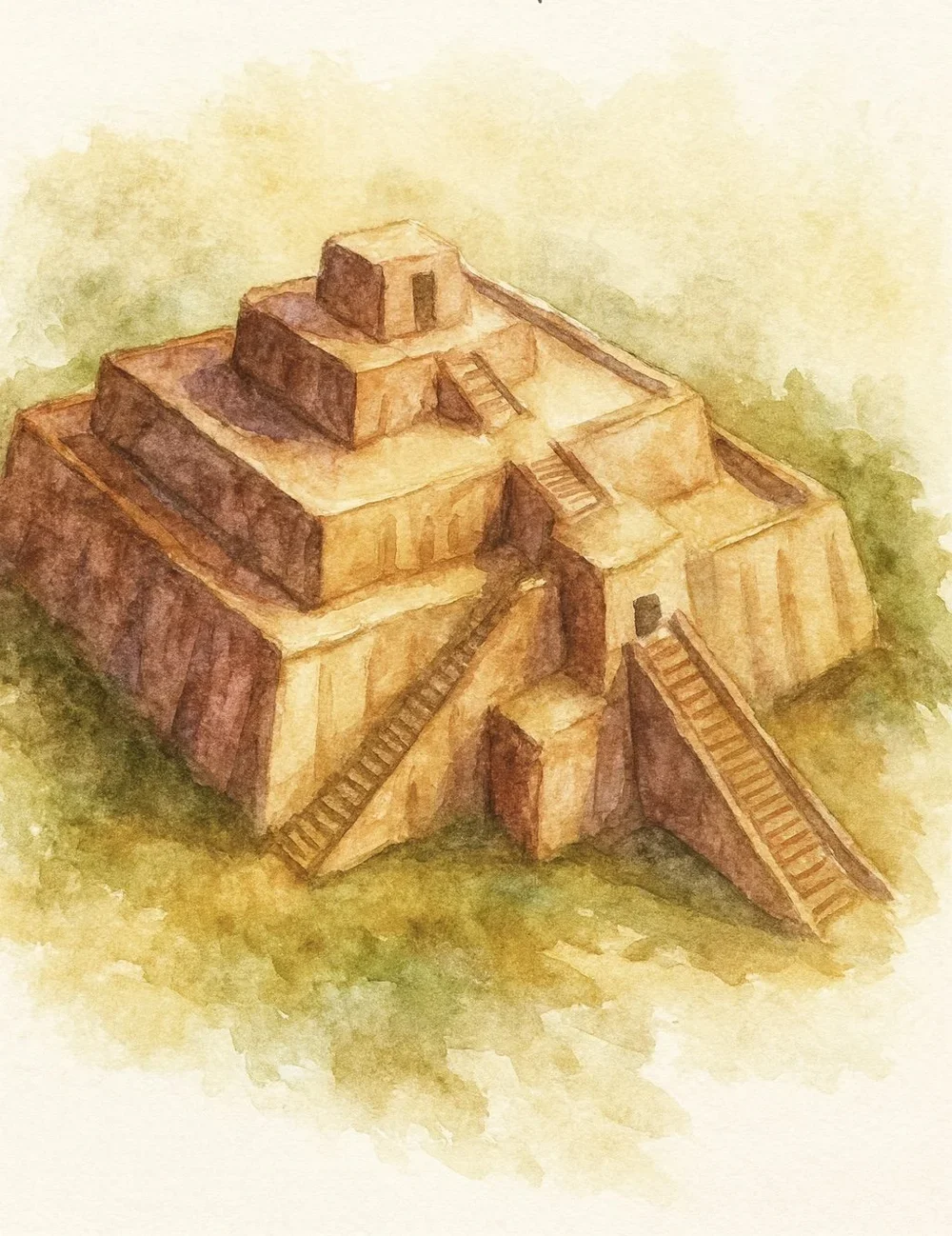
Following the nine-year change comes what is often described as the golden age of childhood, around ages ten to eleven. Children display balance, coordination, confidence, and harmony. The curriculum reflects this period through studies such as Ancient Greece, geometry, and botany, all of which reveal beauty, proportion, and order.
The final phase of this seven-year cycle leads toward puberty. Between approximately twelve and fourteen years old, children enter the thinking phase of the feeling stage during a metamorphosis of the will. Growth shifts into the limbs, signaling profound changes in the will forces. Students become more independent, critical, and concerned with fairness and justice. They may challenge parents and teachers while adjusting to rapidly changing bodies.
The curriculum changes in response. Living sciences such as zoology and botany give way to astronomy, mineralogy, physics, chemistry, anatomy, and physiology. History moves from stories and cultural narratives toward documented events, chronology, and cause-and-effect relationships. Most importantly, puberty brings the capacity to understand consequences, causality, and increasingly abstract forms of thinking.
Throughout the years from seven to fourteen, the curriculum remains rooted in imagination and feeling while gradually preparing the child for the intellectual capacities that emerge after puberty. Each developmental phase brings new physical, emotional, and cognitive abilities, and education is most effective when it meets the child where they are and supports the unfolding of thinking, feeling, and willing in a developmentally appropriate way.
Check out the video here.
Understanding Waldorf Education
-
![]()
What is Waldorf Education? | Yearly Rhythm, The Main Lesson Block, Child Development
The Waldorf philosophy is rooted in the understanding that children go through distinct developmental stages, roughly every seven years. In the early years, from birth to about seven, children are in the imitation phase, learning through play, observation, and movement.
-
![]()
How to Create a Waldorf Environment | Homeschool
The Waldorf philosophy is one of educating the child as a whole emotional, spiritual and intellectual being. In the first seven years of life, the child is a bring of imitation. A time with the will dominates and emotions are dynamic and hard to control.
-
![]()
Why I Chose Waldorf
It's not so much choosing a philosophy as much as it's finding one that speaks to your mind and heart. That's what I found in the Waldorf education. I also found it in a couple of other educational models, but I tend to return to the Waldorf philosophy most often.
-
![]()
Waldorf Homeschool Journey
It's misleading seeing how we homeschool now because it's not how we always homeschooled. We started at the kitchen table like most families and over the years our homeschooling space grew. Our supplies grew, too. We started out with very little and the little we did have, we carefully and mindful purchased.
-
![]()
DETAILED Waldorf BOOK HAUL
This is more than a book haul. I give you snippets of info into the Waldorf philosophy and how we intend to use these books. The concepts in these books are nothing new to us; we done form drawing, watercolor painting and movement math, but these books are going to help provide more background information and definitely boost the inspiration. I'm super excited about them!!
-
![]()
Top 3 Waldorf Inspired Toys
Waldorf inspired toys are ones that are made of natural materials and lend themselves well to open-ended imaginative play. When I think about my favorite Waldorf-inspired toys, the first that comes to mind are peg dolls and finger puppets. I’ve made many of these myself, but they’re also easy to find online or simple to create at home.
-
![]()
The Four Temperaments
Did you know that we are all a mix of the four temperaments? However, we tend to have a dominant temperament, a subdominant temperament, a temperament we loosely associate with a temperament that really doesn’t define us. But in actuality, we are a mix of all of them And striving for harmony between the temperaments we look to balance out our traits and qualities so that we can achieve an overall balanced temperament.
-
![]()
Understanding Child Development through the Waldorf Lens
How does child development look when examined through the Waldorf lens. Child development unfolds in 7-year-cycles marked by two Rubicons in each cycle dividing each into three phases of willing, feeling, and thinking within the larger 7-year cycles of willing (birth to 7 years), feeling (7-14 years), and thinking (14-21 years).
-
![]()
The First 7 years | Child Development | Developmental Milestones | Waldorf
Within this first seven-year cycle are three distinct phases, each lasting approximately two and one-third years. The first phase is the willing-willing stage, followed by the feeling phase within the willing stage, and finally the thinking phase within the willing stage. These phases are marked by important developmental milestones that reveal both physical and psychological growth.
The Waldorf Main Lesson & Main Lesson Block
-
The Main Lesson Block
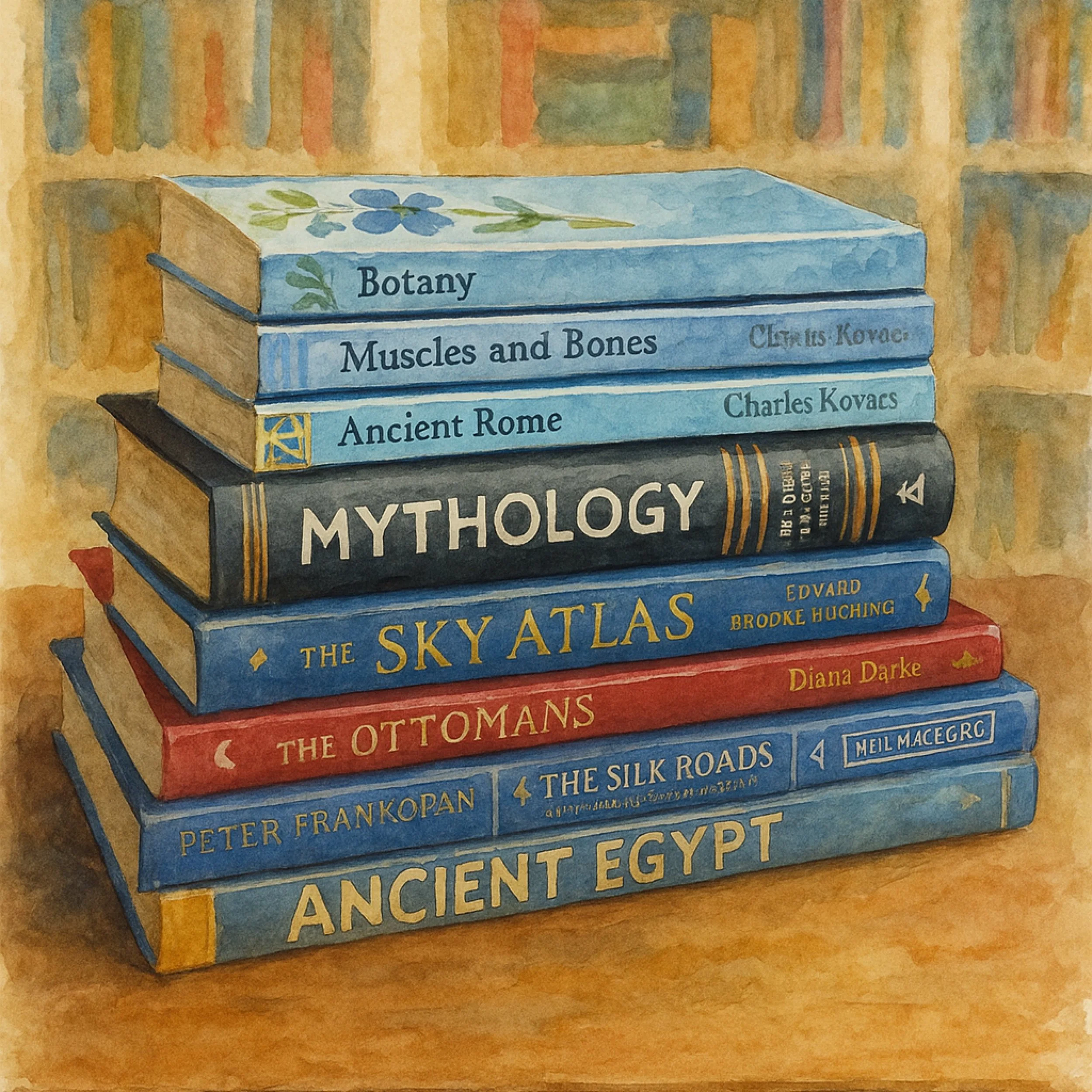
A Main Lesson Block is unique to the Waldorf pedagogy. Blocks rotate throughout the year, lasting about 3-4 weeks. During a block, a single subject is explored in depth.
-

The Main Lesson
What is a Main Lesson and how does it differ from other lessons? A Main Lesson is unique to the Waldorf pedagogy and follows a three day cycle unlike other methods of lesson delivery.
-
Opening Activities
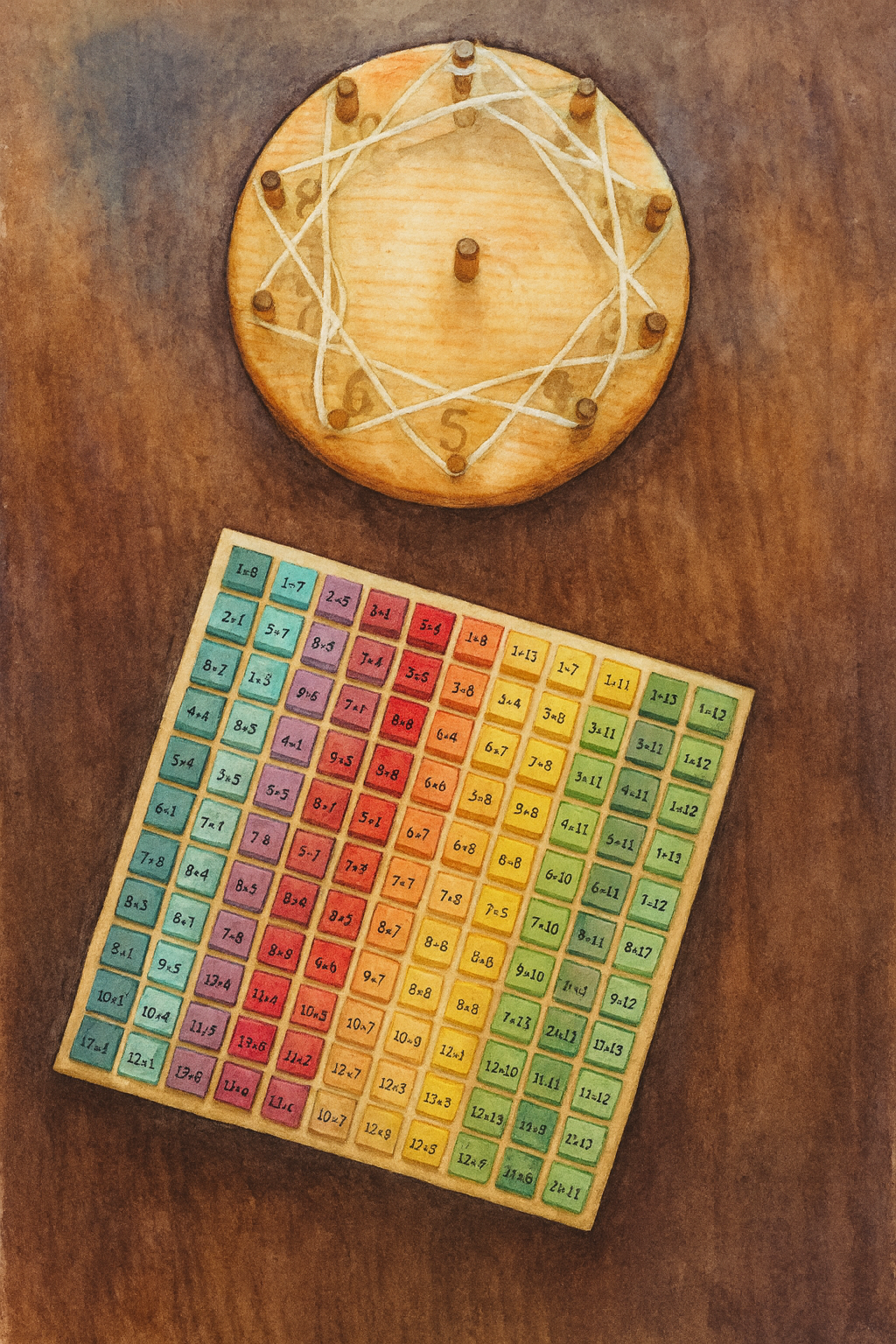
Opening Activities are the first lessons of a main lesson. Playing games, doing mental math or practicing tongue twisters are some activities that help the students engage in preparation of the main lesson.
-

Daily Work
Daily work is necessary though separate from the work of a main lesson. Lessons in grammar and math are typical daily work practice that students perform daily to become proficient in practical skills.
Subjects
-
![]()
Science
Nature science is explored in the younger grades through nature stories, nature walks, gardening, and playing in nature. Honing their powers of observations and through nature curiosity, children build a foundation for the sciences. Following the life sciences, students learn mineralogy, astronomy, physics, chemistry and anatomy.
-
![]()
History
The power of storytelling is especially present in the study of history which begins with the stories of fairy tales, Legends, stories of Indigenous tribes and Prophetic stories. By 5th grade, students explore the Ancients before embarking on the history of Asia, Africa, Europe and the Americas. By the end of middle school, students have covered the Renaissance, the Age of Discovery and the Industrial Revolution. By High School, students take on US History and World History for a second time.
-
![]()
Math
For the first 3 years of elementary school, student are learning the quality of numbers and the four basic mathematical operations for whole numbers up to 5 digits. Fractions are introduced in grade 4 followed by geometry in grades 5 and 6 with pre and basic algebra in middle school. It takes a full 8 years to master the four mathematical operations for whole numbers, fractions and decimals.
-
![]()
Language & Literature
Language study in the first years of elementary school focuses on the basics of writing, spelling, grammar and reading. Once the student is proficient in the basics, poetry, creative writing and composition are included. Foreign language begins in Grade 1 with one or two foreign languages. Literature and the various types of essay writing are explored in upper elementary.
-
![]()
Handwork
Handwork draws the will of the student in the hands as the she learns and eventually masters the art of knitting, crocheting, stitching, embroidery and sewing. As the student preservers through each project, their confidence sense of accomplishment, and joy in handwork develops. The efforts made to visualize the project and execute the steps necessary to complete the work are skills that will serve the student for life.
-
![]()
Form Drawing
Form drawing is the first lesson a student engages in in Grade 1 and will continue with through the grades. While the formal lessons for form drawing may come to an end around grade 4, the practice continues well into middle school and high school.


The Grades
-
![]()
Kindergarten
Kindergarten is a warm inviting space of rhythm, routine, play, and learning by imitation. Children live in a world of wonder where there is no cognitive distinction between world of dream-like fantasy and reality. The space may be decorated with natural materials and filled with seasonal treasures. Daily routines create security and harmony, while storytelling, singing, and imaginative play nourish the child in line with their development. Simple handwork, baking, and outdoor play engage their senses and strengthen their will through the formation of habits through meaningful age-appropriate work. And remember: Child’s play is their work. Rather than formal academics, the focus in kindergarten is on cultivating reverence, supporting free-play, and creating a safe environment that feels nurturing and secure.
-
![]()
Grade 1
In Grade 1, the 7-year-old is still thriving in the world of imagination. Their full awakening from the dreamy world won’t be until the nine-year-change. The teacher/parent is the guiding authority figure, providing security and foundational teaching. Deep love permeates this relationship as children see their parents/teachers as trusted all-knowing figures. Lessons are brought artistically, through fairy tales, myths and nature stories, that carry living lessons and archetypal characters. Writing grows out of pictures and form drawing, and numbers are approached imaginatively through story and rhythm before leading to arithmetic. The child’s sense of beauty and reverence is nurtured, grounding their first steps into gentle academic work.
-
![]()
Grade 2
In grade 2, the 8-year-old finds fascination in the world of polarity. Good and evil, right and wrong, and good and bad are examined through the stories of the saints, fables and legends. Now that the basics in reading and math have been established in Grade 1, students will practice these skills on the road to mastery. Since all four math functions are introduced in Grade 1, students will deepen their understanding by learning how to borrow and carry as their move from mental math to written math. Imaginative stories and pictorial math representations remain the basis for teaching in the elementary years. Stories, poems, and artistic activities cultivate their imagination, while practical activities like gardening and handwork strengthen their growing sense of responsibility.
-
![]()
Grade 3
In Grade 3, the 9-year-old enters a developmental stage called the “nine-year change,” when they feel a new sense of separation and individuality. The nine-year change is a monumental developmental change, and the Waldorf curriculum meets this with practical, grounding studies: farming and gardening, building and shelters, and clothing and weaving projects. Old Testament stories echo the child’s inner experience of wandering in search of a place to call home and a need to feel secure in this new world, not the fantasy existence they’ve experienced so far. They are now learning to find their place on earth and discover who they are. They are meeting themselves for the first time with a burgeoning sense of introspection that will be further developed in adolescence. In math, measurement and practical applications are introduced, while grammar and composition develop in language for the first time.
-
![]()
Grade 4
In Grade 4, the 10-year-old has come to terms with their new reality, and now contends with the ‘fall from paradise’ feeling as they grapple with the challenges of being human on earth. They are now fully awake from the world of fantasy, and the curriculum meets the child and these sentiments with the study of Norse mythology which the children may relate to Thor’s descent to earth and the loss of his hammer and his power. These stories appeal to children in their phase of questioning authority. They may try out new bold behaviors and seek out opportunities to test their independence. The fourth grader is confident, curious and sometimes challenging of authority.
-
![]()
Grade 5
The Grade 5 student of 11 is in their “golden year.” Children are harmonious in body and mind, and their studies reflect this balance. In between the turmoil of the 9-year-change and that of adolescence lies this fleeting perfection that the Waldorf pedagogy recognizes and meets the students’ desire for harmony and perfection with Geometry, Botany and Ancient Greece. Grade 5 is a transition year. Prior to this, children received history in the form of stories, legends and fables. In Grade 6, they will receive history from recorded sources, yet in Grade 5, they receive a mix of the two in the form on the Ancient civilizations: India, Persia, Mesopotamia, Egypt, and Greece, which highlight myths, creation stories and a deep respect and understanding of the people and the beliefs of the past. In Botany, they are connected to the world plants, while geometry introduces them to exactness, form, perfection and beauty. In math, decimals and more advanced operations are studied.
-
![]()
Grade 6
The Grade 6 student of 12 years old is approaching puberty, a time when students become more critical and analytical. They are ready for the study of the Roman Empire, where laws, structure, and order mirror their inner need for clarity, fairness and justice. The Dark Ages follow the study of Rome and open the possibility of exploring the Golden Age elsewhere in the world bringing balance to the history block on Medieval Europe. Whereas Grade 5 was history heavy, Grade 6 is science heavy. The years of nature study, gardening and living stories forms the bedrock for the studies that follow. Mineralogy introduces the study of the earth’s solid structure through the archetypal rocks of granite, the fire rock, and limestone, the water rock. Physics is introduced in Grade 6 with the basic concepts of acoustics, optics and heat.
-
![]()
Grade 7
In Grade 7, the 13-year-old will study the Age of Discovery at a time when they are experiencing their own personal exploration as they stretch their boundaries. They are eager for adventure and the central historical themes parallel the student’s own quest for discovery, exploration and independence. Renaissance biographies and portraits inspire creativity and strive for students’ to explore their own potential. Physics continues with the study of electricity and magnetism. Chemistry is introduced with studies of combustion and transformations, acids and bases and salt formation. Physiology and nutrition gives them insight into their growing bodies. Perspective drawing and black and white charcoal drawing meets the student’s new capacity for reflection and perspective, while essay writing: persuasive, compare/contrast and expository writing expand and build on their previous skills.
-
![]()
Grade 8
By Grade 8, the students of 14 are on the cusp of adolescence and ready to meet the world with greater maturity. The curriculum brings revolutions: political, industrial, and cultural, introducing the forces that shaped the modern world. The new world, the French and American revolutions and the tremendous advancements in industry are the focus in history. And, for the first time, the sewing machine is introduced in Handwork to mirror the lessons in history. If the western movement was not explored in Grade 4 or 5, it may be covered in Grade 8. Physics expands with mechanics, chemistry with more systematic experiments, and anatomy with deeper study of the human body. In math, algebra is introduced while geometry continue to advance. Grade 8 math is a solidifying of all the mathematical concepts so students may enter high school prepared for higher math. Literature may include Shakespeare or modern works that reflect human struggles and triumphs.
-
![]()
Grade 9
Grade 9 marks a significant shift in Waldorf education. Ninth graders enter high school full of questions, doubts, and a search for identity. They live strongly in polarities: light and dark, comedy and tragedy, idealism and rebellion. This mirrors the sentiments they experienced in Grade 2, only now that they are post puberty. The curriculum meets the student by exploring contrasts: comedy and tragedy in literature, revolutions in history, and the study of dramatic changes in science as seen in organic chemistry and geology. In math, geometry is deepened with more rigorous proofs, while algebraic equations, quadratic equations and binomial theorems are studied in algebra. Formal labs (not demonstrations) are offered in physics and chemistry and for the first time in the curriculum, the focus shifts from an imaginative and pictorial presentation to one that is analytical, abstract and critical. T
-
![]()
Grade 10
By tenth grade, students are more grounded, with a growing capacity for clear thinking and a desire for balance. This is mirrored in the curriculum with a focus on order, form, and structure. In literature, epic poetry and historical novels like Beowulf and Gilgamesh bring breadth and continuity as it reflects the lessons from Grade 4 and 5. History in grade 10 mirrors the history blocks of Grade 5 with a deeper, more thoughtful exploration of the ancient civilizations of Persia, India, and Egypt and up to the decline of the Grecian states under the rule of Alexander the Great. In science, chemistry introduces the properties of metals, the study of mechanics is deepened in physics and embryology is studied in physiology. Earth science focuses on oceanography and ecology. Algebra II introduces logarithms and plane trigonometry . Geometry continues with Euclidean coordinate geometry and projective geometry.
-
![]()
Grade 11
Eleventh grade is often described as a year of profound questioning. Students face the “dark night of the soul” as they wrestle with existential questions in their search for truth. In literature, great works such as Faust, Hamlet, and Parzival meet the student and reflect their search for meaning. History in Grade 11 mirrors that of Grade 6 with the Age of Enlightenment and the Industrial revolution as Roman, medieval and renaissance history are explored through the post puberty lense of the 17 year old. Physics introduces electricity and magnetism, while chemistry takes up atomic theory. In math, trigonometry and pre-calculus meet the student’s growing capacity for abstract thought.
-
![]()
Grade 12
Twelfth grade marks the culmination of the Waldorf journey. Students are preparing to step into the adult world, and the curriculum reflects this by offering subjects that show wholeness, synthesis, and destiny. Modern history is looked at from the present perspective with a study of the ideologies that shaped the 20th century: fascism, communism and capitalism. The threefold social order is explored in society: political, cultural and economic just as the person has a threefold nature of thinking, willing and feeling. Literature includes poetry that speak to the human’s striving for freedom, inner light and higher truths in transcendental works of Emerson, Hawthorne and Whitman. In science, modern physics focuses on relativity, quantum theory, and genetics, as well as advanced chemistry. Math moves into calculus, allowing students to grasp processes of change at the highest level.





Waldorf Inspired Homeschooling
-
![]()
Ruining Your Kids with Waldorf Education
“You cannot mess up your kids, but you can make mistakes”
M. Chaudhry
What a relief that you cannot mess up your children, but you can make mistakes. Well it’s not so much a relief that you can make mistakes, but mistakes are part of our human existence and when we come to terms with it, we may better navigate the fall out of mistakes by correcting them and changing our course.
-
![]()
What Happens When You’re Not Waldorf Enough
It’s possible to feel like you are not Waldorf enough when there are plenty of opportunities to see how others are applying Waldorf principles. Are you really not Waldorf enough? Maybe…but that’s okay!
-
![]()
How to Avoid BOTH Kinds of Homeschool Burnout
There’s burnout and then there’s BURNOUT. Distinguishing between the two is important so you can find viable solutions. Burnout that is associated with the change in season, the months prior to the school year ending, or with winter blues is fully manageable and curable. BURNOUT is not.
-
![]()
Untrained and Unskilled in Waldorf
What happens if you are untrained or unskilled in Waldorf education and I don’t feel capable to teach your children? This is a valid free that has a solution! It’s improbable that we are going to be skilled in all aspects of education. We have two solutions: Learn or hire out.
-
![]()
When There’s NO Time For Hands-on Projects
There’s certainly not going to be enough time to do hands-on projects and keep up with academic rigor. Or there will be time for both but not for something else. When choosing to do hands-on projects, you are choosing something that will take time, require set up, and will probably leave behind a mess to clean up.
-
![]()
How to Achieve Rhythm and Consistency in Daily Schedule
When life changes with a growing family, or a new endeavor (like homeschooling), or a move to a new neighborhood, our rhythm is disrupted and our daily schedule needs renegotiating. If you’ve never had a consistent schedule or a good rhythm that works for you, I have a couple suggestions.
-
![]()
Balancing Artistic Focus and Academic Requirements
How do you balance artistic focus and academic requirements in Waldorf education? What IS artistic focus and academic requirement? Many main lessons in a waldorf setting include written work and an artistic expression. This art isn’t an art lesson, it’s a core subject lesson with an artistic representation of the lesson.
-
![]()
Are They Compatible? | Charlotte Mason & Waldorf
The short answer is yes! The long answer is there needs to be some understanding on what can be combined and what cannot. There are some deep differences between the Waldorf and Charlotte Mason philosophy, and I will help break down some of the differences in the main lesson block versus the short varied lessons, the duration of lessons, and the use of living books versus storytelling.
-
![]()
Worried About Expensive Waldorf Supplies
Waldorf supplies are expensive. It’s hard to justify the cost of these materials when there are cheaper more accessible materials. I’m sharing my list of items worth spending money on versus items you can find alternative for. The first place I invested money in, and a product I still have today is our grade 1 curriculum by Live Education.
-
![]()
Building Confidence and Skills in Waldorf
How do you build your skills and confidence in Waldorf? The two main areas are practice and knowledge. The more you gain knowledge in the particular area you’re looking to build confidence in the more confidence you will have. And the more you practice the sharper, your skills will become, and the more confident you will be.
-
![]()
Is Waldorf Right for the Muslim Family
This introduction to Waldorf pedagogy for the Muslim family explores the origins of Waldorf education, its connection to anthroposophy, and how aspects of this educational approach can be adapted and aligned with Islamic beliefs, while acknowledging areas of fundamental difference.
-
![]()
Grade 1 Waldorf Pedagogy for the Muslim Family
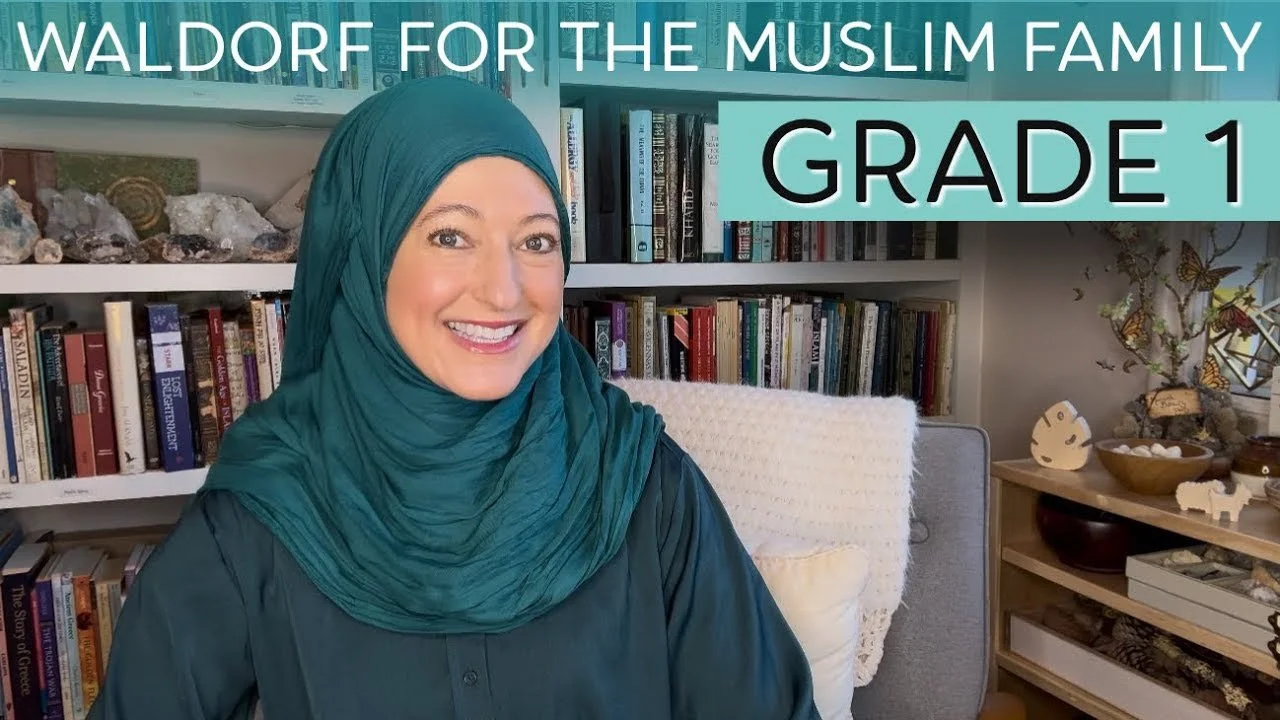
Can the Waldorf pedagogy be adapted for Muslim families?I share how I brought stories to suit our family’s religious and cultural needs, while still maintaining the essence of Waldorf education. We start grade 1 at about age 7 when formal education begins. In grade 1, the subjects you are likely to find are form drawing, the letters of the alphabet, the numbers, nature study, the recorder, foreign language, eurythmy, games, and handwork.






Waldorf Materials
-
![]()
Kindergarten Curriculum Haul | Waldorf
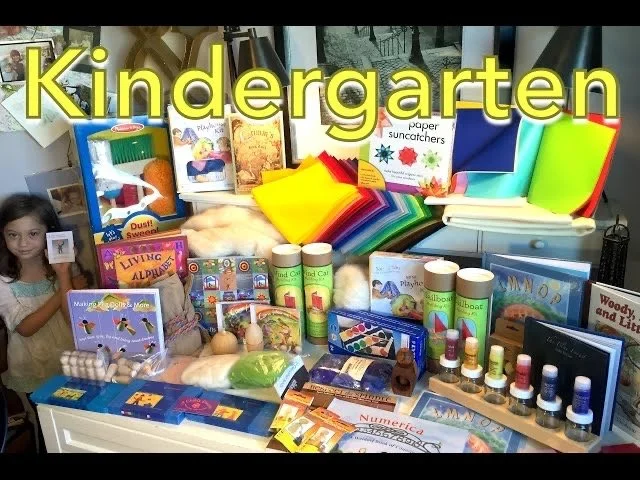
I think the first thing that striking about the KG curriculum in the Waldorf philosophy is the absence of any 'academic' work. There are no workbooks, textbooks or even read aloud books. Instead the curriculum is filled with stories to tell, songs to sing, music to listen to, crafts to do, and toys to play with.
-
![]()
Waldorf Homeschool Haul
It's that time of the year again! I place our curriculum and homeschool orders just before school starts and again in the winter. There's no better way to brighten your school with these rich colored supplies! The wool felt our favorite go-to supply for many of the homeschool projects we do.
-
![]()
HUGE Homeschool HAUL | Curriculum & MORE
Grab a cup of coffee or hot chocolate because this is a massive curriculum haul! You won't find a curriculum haul quite like this, I promise. Curriculum for our homeschool is any material we use to enhance our homeschool experience from literature to hands-on materials.
-
![]()
Waldorf Supplies for Homeschool & Classroom
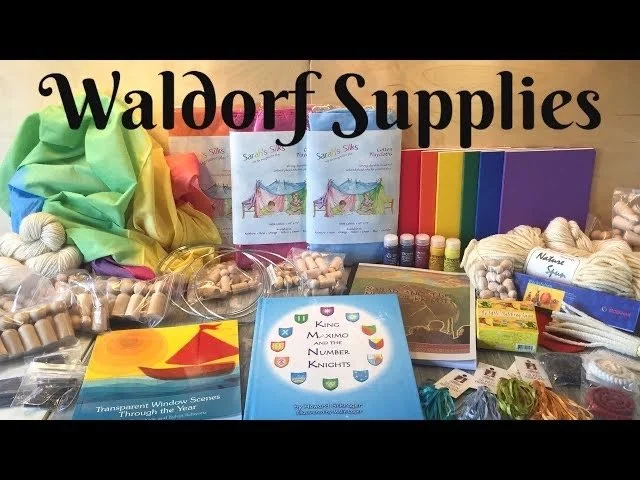
Hands down the most beautiful homeschool supplies are the ones you'll find at Waldorf suppliers. Not only are the items fairly unique to most academic settings, the colors and materials are breathtaking. You can't help but smile when you see them, and using them will make your heart sing.
-
![]()
Homeschool Supplies for Waldorf Main Lesson Blocks
This may look like a big homeschool haul but compared to my previous homeschool hauls, I call this a medium sized one. I'm purchasing items mostly for our science units. I do stock up on supplies for our handwork projects this year which will include embroidery work, knitting and wet felting.
-
![]()
New Waldorf Teacher Haul
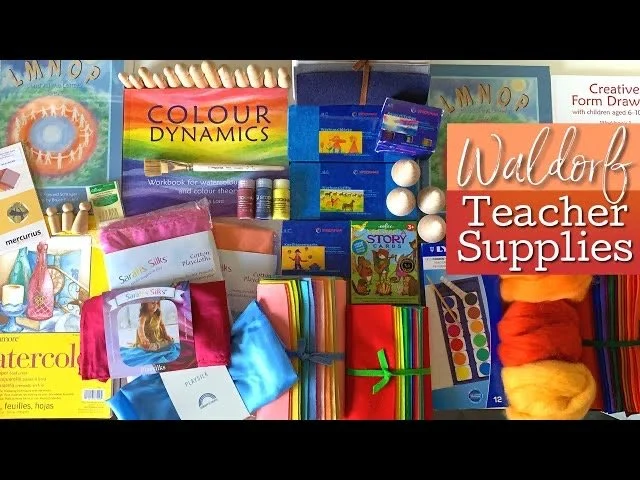
When starting out on your Waldorf journey, you might want to begin with a Waldorf inspired curriculum if you are home educating. While I can’t say from experience how the following curricula fair, I can tell you that since 2004, we’ve been relying on Live Education! Waldorf curriculum for our needs.
-
![]()
DETAILED Waldorf BOOK HAUL
This is more than a book haul. I give you snippets of info into the Waldorf philosophy and how we intend to use these books. The concepts in these books are nothing new to us; we done form drawing, watercolor painting and movement math, but these books are going to help provide more background information and definitely boost the inspiration. I'm super excited about them!!
-
![]()
Mercurius Art Materials
Artistic representations of lessons is a common practice in Waldorf education. Often, main lessons will include an illustration. While we have used various art mediums from chalks to watercolors, we often settle with color pencils in middle school and crayons in the early years.
-
![]()
Homeschool Haul | This one is really Big
It's that time of year again...back to school shopping! This isn't your typical back to school haul. This isn't your typical curriculum haul either. My homeschool hauls feature everything from educational toys to innovative science kits. I love hands on projects and love adding living books to our unit studies and main lesson blocks.
-
![]()
HOMESCHOOL SUPPLIES HAUL | MidYear Curriculum Haul
Twice a year, we make large curriculum and homeschool purchases. While few of the items were actual necessities, they are all educational and inspirational. We do a lot of hands on learning in our homeschool so half of what we order are materials for projects and activities and the other half are books!
-
![]()
Homeschool Haul | Living Books + Unit Study + Waldorf Supplies
Oh my! New books are here as well as main lesson notebooks, fountain pens, hands-on kits and much more! Dive into these new materials with me! Many are from Amazon, but the Waldorf supplies are from my favorite Waldorf vendor: A Child's Dream.
-
![]()
Waldorf and Montessori Educational Haul | Treasures by Jennifer | Math & Arabic Letters
These wooden educational products by Treasures from Jennifer are some of the most beautiful pieces in our homeschool room. They are well made, durable and all natural. They are also expensive and take up lots of room.
-
![]()
Play Silks | Homeschool Haul
We got play silks from eBay several years ago and thought it was time to invigorate our silks with new ones. The kids use these for dress up, forts, capes and pretend play of all kinds. Our old silks have held up so well to kid play; they've been tugged, tied, draped and pulled and yet have never torn. I have every confidence that these new silks will do just the same.
-
![]()
Homeschool Haul | Waldorf Materials + More
The materials from this homeschool haul are primarily from A Child's Dream and Michael's Craft Store, with some books, games and pencils coming from Amazon and JetPens.
-
![]()
Homeschool Haul | WALDORF Education | BOOK HAUL
Here's one order that didn't come in in time for my EPIC homeschool haul recently. This order is from Waldorf Supplies and includes art portfolios, glockenspiels, books and watercolor paper.
-
![]()
Homeschool Haul | Waldorf
A Child's Dream has some of my favorite Waldorf supplies for our homeschool. This haul includes a charming peg doll book, peg dolls in a variety of shapes and sizes, finger puppet bases, felt, Lyra watercolor paints, soy-based paint, and more.
-
![]()
Homeschool Book & Waldorf Haul
Even when I'm on a trip or vacation, I manage to make the souvenirs educational based. And I even got to check out a local thrift shop (looking for baskets for my sister who was too ill to go shopping), and found some books to accompany past and upcoming homeschool units.
-
![]()
Homeschool Haul | A Child’s Dream
When it comes to homeschooling and educational supplies, A Child’s Dream is one vendor I’ve been shopping at for years. As we conclude our final years, I’m sharing some materials that have been especially useful throughout our years of education.
-
![]()
CRAFT + HOMESCHOOL HAUL | Over The River Felt
Looking for felt that's of better quality than the acrylic felt from craft stores but more affordable than 100% wool felt? How about a wool blend? Or bamboo felt! I found Over The River Felt during a search on Amazon and later contacted the company to see if they'd like to donate products for my felt comparison video.
-
![]()
Yarn Haul
New yarn means new projects, and before I got to filming this haul, we already got started on our new projects. We are busy knitting away during these cooler months with longer nights and cozy days.
-
![]()
Felt Haul & Sewing Kits | ThreadFollower
Is winter time a creative time for you? With shorter cooler days, I find myself indoors more and having the supplies to get creative helps explore the creative bug that takes over during these months.













Waldorf Summer Seminar | Live Education
-
![]()
My Waldorf Homeschool Conference Experience
Since I recorded the first half of this video months ago, there are some things that have to be modified. First thing is that it is confirmed that there will be one last final Summer Seminar this July 2018. Registration is now open and you can find more info on how to register down below. The blog post that accompanies this video has pictures from the conference.
-
![]()
Waldorf Homeschool Conference
If you missed the last Waldorf homeschool conference, don't worry! Live Education is holding their very last Summer Seminar this July 2018 in beautiful Santa Cruz, California. After 10 years of bringing homeschool families together with some of the best Waldorf teachers around, Live Education is hosting their last conference. This year's theme is "Cultivating Curiosity: The Magic of Waldorf Education".
-
![]()
Waldorf Homeschool Conference | Painting with Bruce Bischof of Live-Ed!
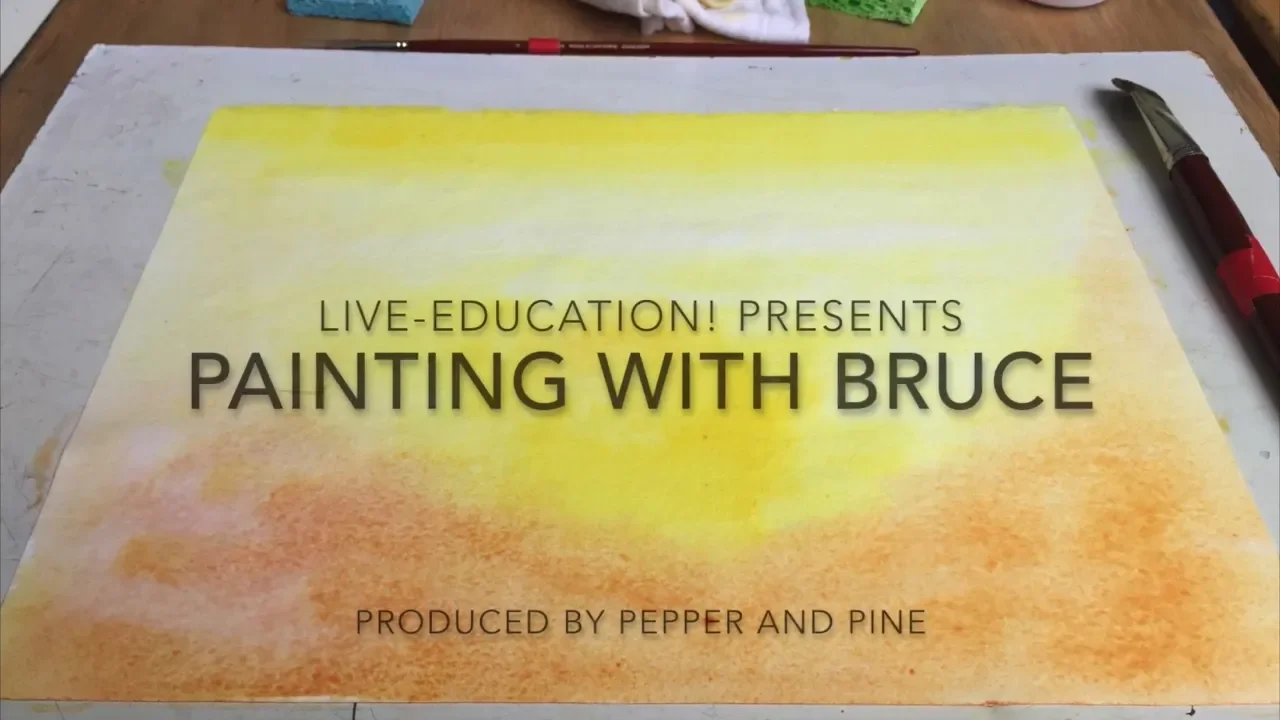
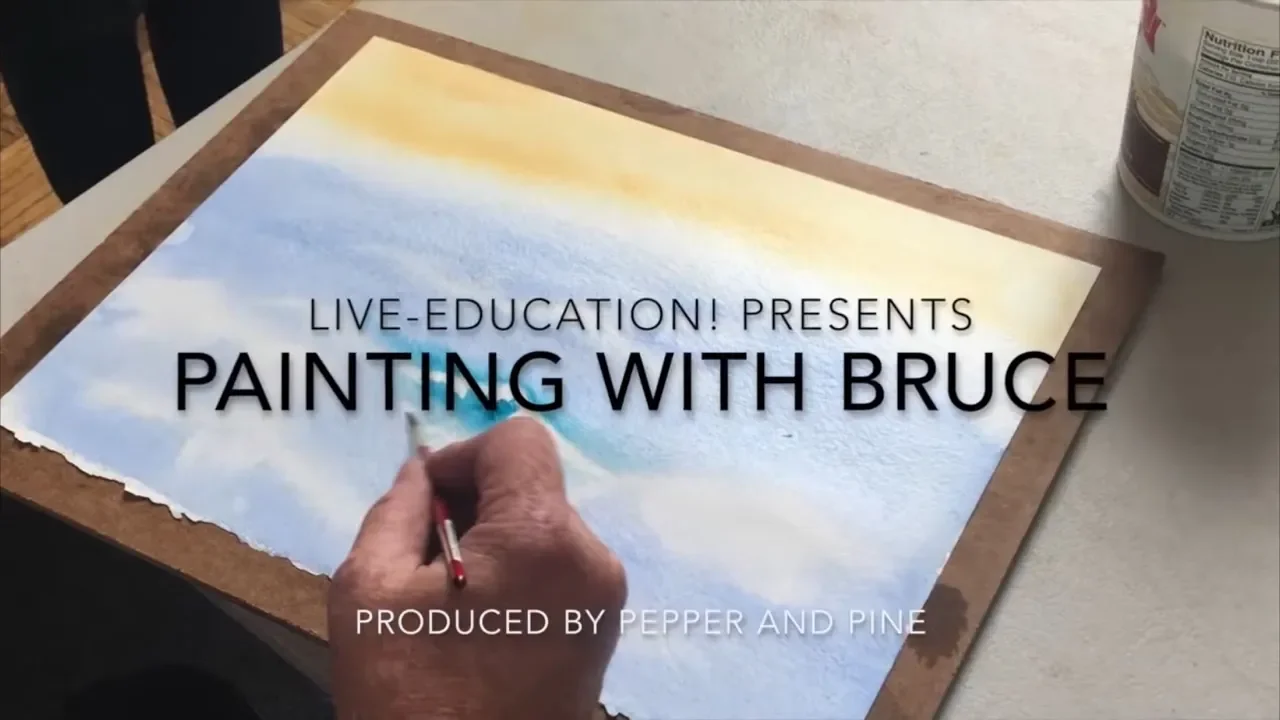
Painting with Bruce was one of the sessions at the Live-Education! Summer Seminar held in beautiful Santa Cruz, California in July of 2017. This video features Bruce Bischof's painting sessions. We did wet on wet watercoloring using wide brushes and Stockmar watercolors (ending with some mineral paints) on 140 pound Strathmore paper.
-
![]()
Painting with Bruce Bischof of Live-Ed! Waldorf Homeschool Conference
Capturing the best of California, Santa Cruz is home to breathtaking beaches and beautiful redwood forests. It's the perfect setting for a truly magical educational experience. For four and half days, starting at 8:30am and ending at 8:30pm, you get to experience what only professional Waldorf teachers or Waldorf students have access.
-
![]()
Waldorf Homeschool Conference Shibari | With Melanie Hatch 
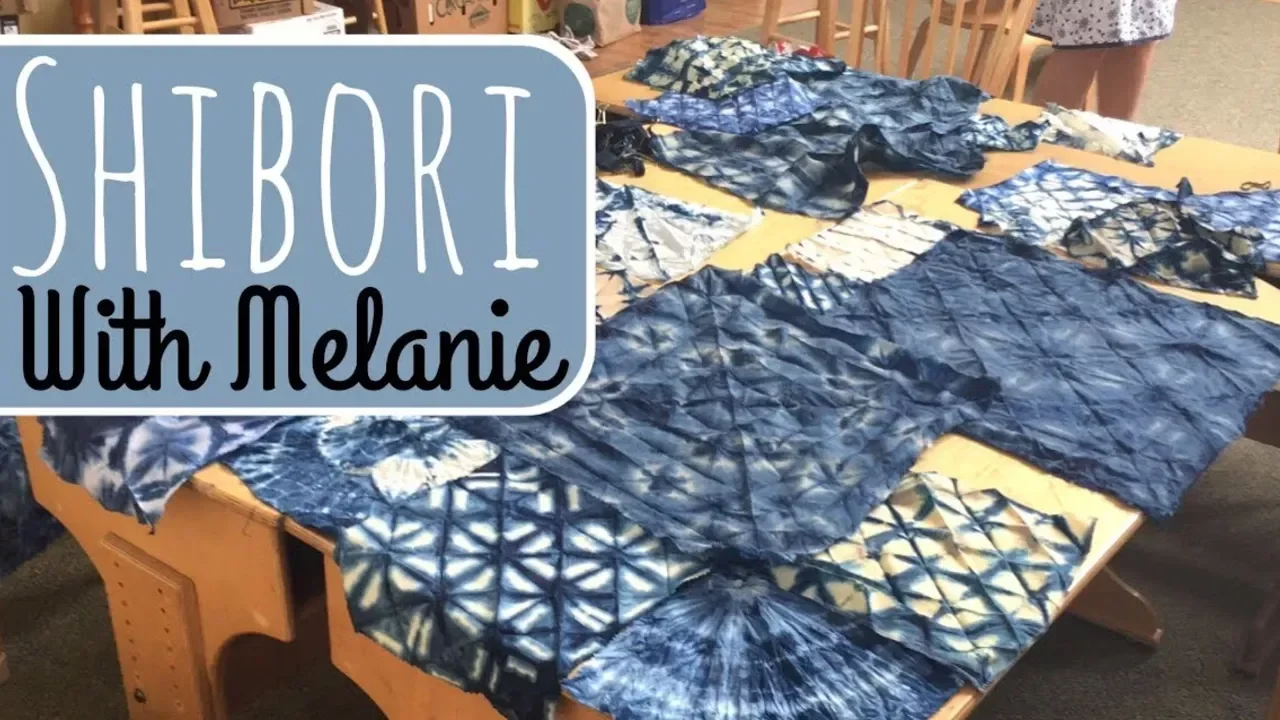
Handwork with Melanie was one of the sessions at the Live-Education! Summer Seminar held in beautiful Santa Cruz, California in July of 2017. This video features Melanie's handwork sessions. We did shibori using indigo on organic pima cotton from Japan. We used wood, clothespins and rubber bands among other things to provide resistance after folding the fabric in an according manner. The following day we did shibori using dye. The results were amazing!
-
![]()
Live Education Summer Seminar Homeschool Conference | Upper Grades Session with Scott Olmstead
The Waldorf homeschool conference in Santa Cruz, California was presented by Live-Education. Each morning, following our opening session, was devoted to the keynote speaker. Scott Olmsted's presented "Inspired by the Invisible: Arts, Academics and Discipline in Waldorf Education" on the second day. You can find a link to his lecture down below.
-
![]()
Summer Seminar 2017 | Waldorf Homeschool Conference | Rainbow Rosenbloom
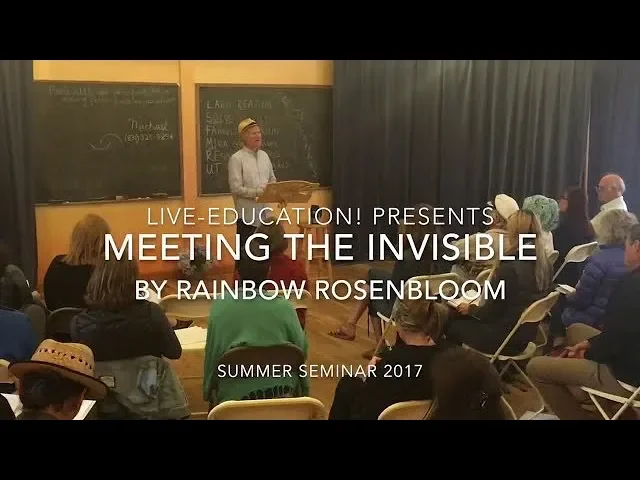
The Waldorf homeschool conference in Santa Cruz, California was presented by Live-Education. Each morning, following our opening session, was devoted to the keynote speaker. Rainbow Rosenbloom presented "Meeting the Invisible in Ourselves and Others in Waldorf Education" on the final day.
-
![]()
Summer Seminar 2017 | Waldorf Homeschool Conference | Scott Olmstead
The Waldorf homeschool conference in Santa Cruz, California was presented by Live-Education. Each morning, following our opening session, was devoted to the keynote speaker. Scott Olmsted's presented "Inspired by the Invisible: Arts, Academics and Discipline in Waldorf Education" on the second day.
-
![]()
Summer Seminar 2017 | Waldorf Homeschool Conference | George Hoffecker
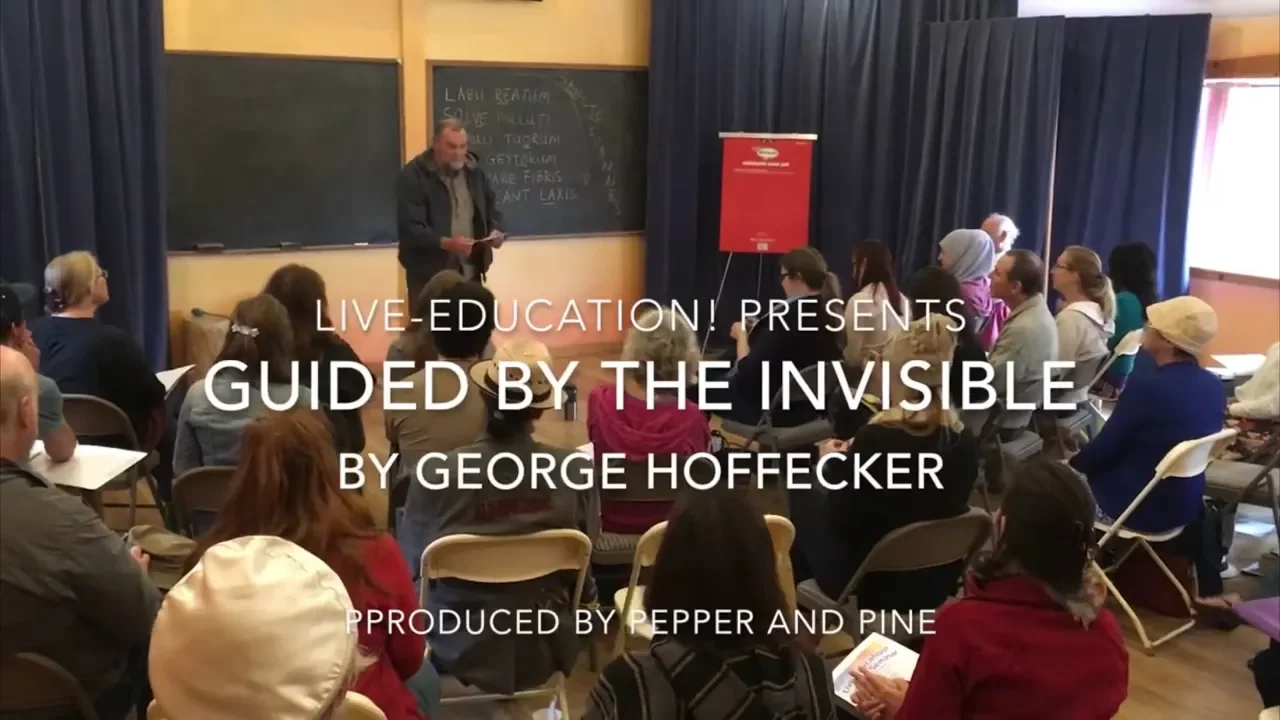
The Waldorf homeschool conference in Santa Cruz, California was presented by Live-Education. Each morning, following our opening session, was devoted to the keynote speaker. George Hoffecker's speech Guided by the Invisible: Decision-Making and Leadership to Benefit our Children was presented on the third morning.
-
![]()
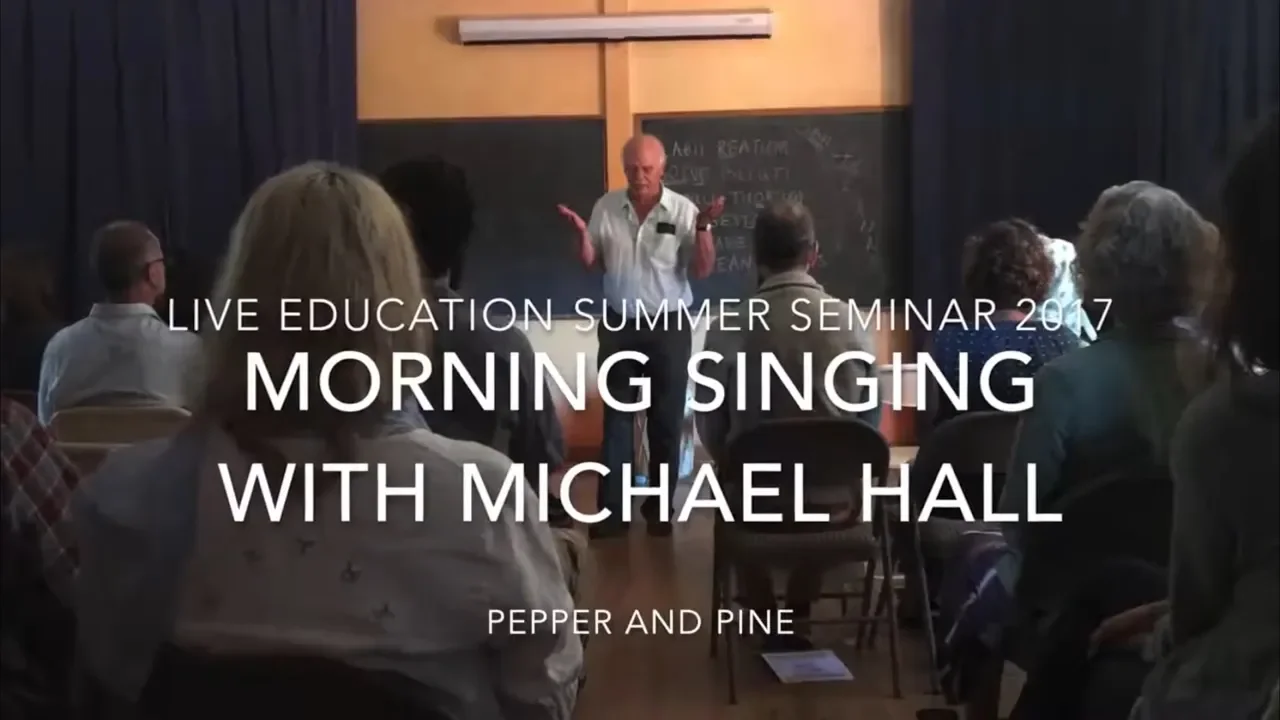
Singing with Michael Hall Summer Seminar 2017
Each afternoon, you will be able to have a one on one session with a Waldorf teacher of your choosing. Small group sessions are also available. Following these session, there is a two hour break before reconvening for the evening for inner work. Parents, teachers, homeschooler and children are inviting to the 2018 Summer Seminar. A summer camp at the same location hosted by Live Education is available for children ages 5-15 years of age.

What is Waldorf Education?
When I first discovered Waldorf education, it felt like reconnecting with something already familiar. My journey began in the early 1980s when I attended a Waldorf school in a small town outside Paris. Those few years left an impression, though I didn’t realize it until much later. When my oldest child turned five and homeschooling became a possibility, I revisited Waldorf education and fell in love with it again. Since 2003, I have been homeschooling with a Waldorf-inspired approach, weaving its philosophy and methodology into our daily lives. For me, it has offered a framework that feels both natural and deeply nurturing.
The Waldorf philosophy is rooted in the understanding that children go through distinct developmental stages, roughly every seven years. In the early years, from birth to about seven, children are in the imitation phase, learning through play, observation, and movement. Around the age of seven, they move into a stage of emotional development where they begin to appreciate beauty, story, and rhythm in their lessons. Later, in adolescence, critical thinking and analysis come to the forefront, and the curriculum shifts accordingly. These transitions are supported with stories, art, and activities that match the child’s stage, so they feel seen and understood.
Waldorf education is also holistic, focusing on head, heart, and hands. Lessons are designed to engage the intellect, nurture the emotions, and involve the body through movement and hands-on work. This is why the curriculum is filled with music, art, drama, woodworking, and eurythmy alongside academic subjects, and my favorite: Handwork! I especially love how handwork is introduced early, starting with knitting in grade one. These projects are not only practical but also support brain development and coordination. They are carefully chosen to align with what the child is learning in their main lessons and with their stage of growth.
A unique aspect of Waldorf education is the main lesson and main lesson block structure. The main lesson is a long, two-hour period, usually in the morning, where the central subject of study is explored in depth. Lessons follow a rhythm of review, practice, and new content, with time for reflection in between. The main lesson blocks allow us to concentrate on one subject for several weeks, such as history, math, or science. This immersive approach helps the material settle deeply, and the rhythm of review and new content ensures that children retain and process what they learn.
Over the years, I’ve found that arranging our school year around main lesson blocks creates a natural flow that mirrors the arc of the seasons. Heavier subjects like math fit well at the beginning of the year when energy is high, while winter lends itself to reading-rich history studies. Spring invites science and outdoor exploration. Even though we take inspiration from Waldorf, I adapt the rhythm to suit my children and our family life. What I appreciate most is how the philosophy emphasizes balance, not just in the structure of lessons but in the way it nurtures the whole child. Whether you adopt the full method or just pieces of it, Waldorf education offers a thoughtful, beautiful way to homeschool.
July 2020
How to Create a Waldorf Environment
The Waldorf philosophy is one of educating the child as a whole emotional, spiritual and intellectual being. In the first seven years of life, the child is a bring of imitation. A time with the will dominates and emotions are dynamic and hard to control. The philosophy aims to education the child within each developmental stage with an appropriate environment filled with the materials and people needed to help the child through each stage of his growth and transition.
During the young years, it's so important to reduce or eliminate screen time. Not only does it free up time for more worthy endeavors, simply the act of watching the screen disrupts brain waves and that's especially significant in the young years.
Reducing plastic toys (especially the cheap ones) is going to present opportunities for more natural toys and that lend themselves to open-ended creative play. When you purge your home regularly, you become mindful of what you are getting rid of, and usually, it's not the high quality all-natural toys.
When you can't have everything you desire and your home is still filled with non-Waldorf item, don't worry, just hide them! Drape a sheet or other fabric on the TV, workout equipment or anything else that is invading your serene environment.
Have more suggestion? Leave them in the comment section.
Check out my other Waldorf videos related to education.
Here's a Waldorf website that might help you on your journey to understanding the philosophy more.
Why I Chose Waldorf
It's not so much choosing a philosophy as much as it's finding one that speaks to your mind and heart. That's what I found in the Waldorf education. I also found it in a couple of other educational models, but I tend to return to the Waldorf philosophy most often. This philosophy resonated with me for many reasons, with the main one being that it is tailored to the child's mental, spiritual, emotional and physical development. That's remarkable thing to do, and today I'll try to share my thoughts as best I can with information and examples. If you wish to join this collaboration with a video response, head on over to Chrissy's channel at Raising Joyfulness and let her know you're interested: Raising Joyfulness is no longer on YouTube. Here's Chrissy's video: Chrissy is no longer on YouTube.
When I first considered homeschooling, I knew there were many educational philosophies available, each with its own strengths. Yet I was deeply drawn to Waldorf education, perhaps because I attended a Waldorf school in France as a child, or maybe simply because its approach resonates with my heart. While I sometimes incorporate aspects of other models such as Charlotte Mason, Montessori, or classical education, I always find myself returning to Waldorf as my foundation. Its emphasis on the whole child—spiritual, developmental, and artistic—makes it feel like a natural fit for our family.
One aspect I especially appreciate is how Waldorf education weaves spirituality into the curriculum. As a religious family, I welcome the reminders to bring reverence, festivals, and deeper meaning into our daily rhythm. Though I may substitute my own religious elements where appropriate, the philosophy itself encourages this kind of integration. This creates a rich environment where stories, rituals, and celebrations nurture not only the mind but also the soul. It offers a framework that honors the presence of the spiritual in education, something I find missing in traditional schooling.
Another key reason I chose Waldorf is its respect for childhood development. The philosophy divides education into distinct stages: imitation from birth to seven, emotional development from seven to fourteen, and intellectual awakening through the teenage years. In the early years, children learn best by doing—baking, gardening, and storytelling. In the middle years, beauty and art take center stage, with subjects introduced through story and imagination rather than direct intellectual analysis. Later, as children grow, the curriculum transitions to history, science, and critical thinking at just the right developmental moments. This careful attention to timing feels respectful to the child’s growth and humanity.
The stories and lessons themselves have also been a source of inspiration for me. Whether it is comparing humans and animals in fourth grade, exploring Greek mythology in fifth, or moving into algebra and history in the later grades, each step is intentional and meaningful. The beauty of the art, the depth of the stories, and the alignment with developmental milestones all work together to create a sense of well-being for the child. These are the reasons I chose Waldorf education for my family, and why I continue to return to its philosophy with a renewed sense of purpose and gratitude.
Waldorf Homeschool Journey
It's misleading seeing how we homeschool now because it's not how we always homeschooled. We started at the kitchen table like most families and over the years our homeschooling space grew. Our supplies grew, too. We started out with very little and the little we did have, we carefully and mindful purchased. Soon we had more children and our supplies increased and then later we joined a homeschool charter school in which we received funds for educational supplies. We have since been able to purchase a lot more material for our homeschool journey. Though this items need to be returned to the school when we withdraw from the school, being able to purchase and use them now has been a tremendous help.
Recently, questions and lamentations about the supplies we use have come up. I thought it would be of value to hear how we first started homeschooling with a frugal approach.
Instead of buying inexpensive items in abundance, we carefully chose quality items and shared. We shared a single set of block crayons and a very nice paint brush, and I found paper at a local craft store at a reasonable price by shopping sales and using coupons. I also bought lots of supplies from ebay, making use of discounted shipping because items were grouped together.
Don't forget that your journey will look different after years of doing anything, so don't despair when your journey is not looking how you want...you'll get there!
Would you like to share your homeschooling journey? Make a video response and share it with me.
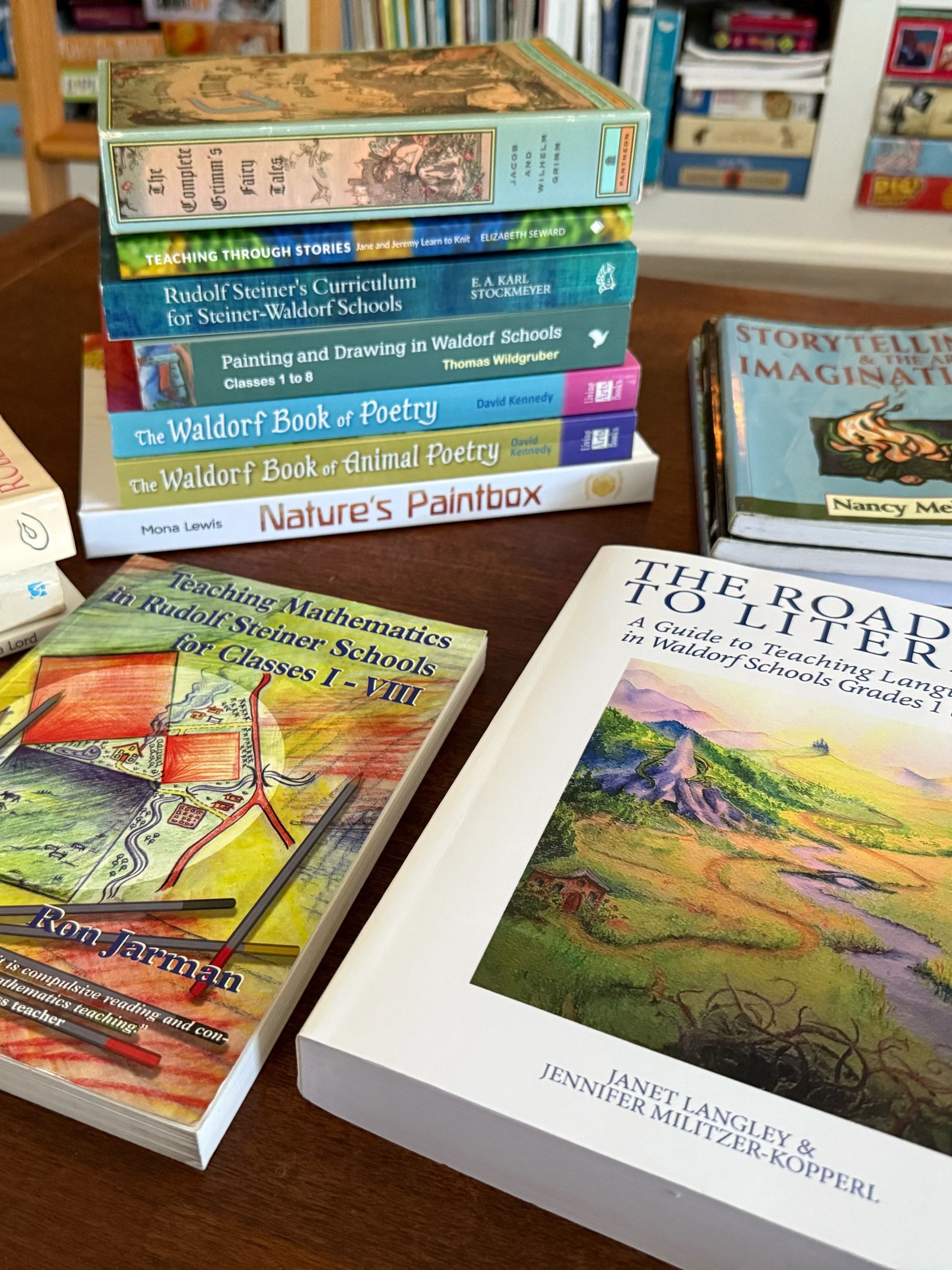
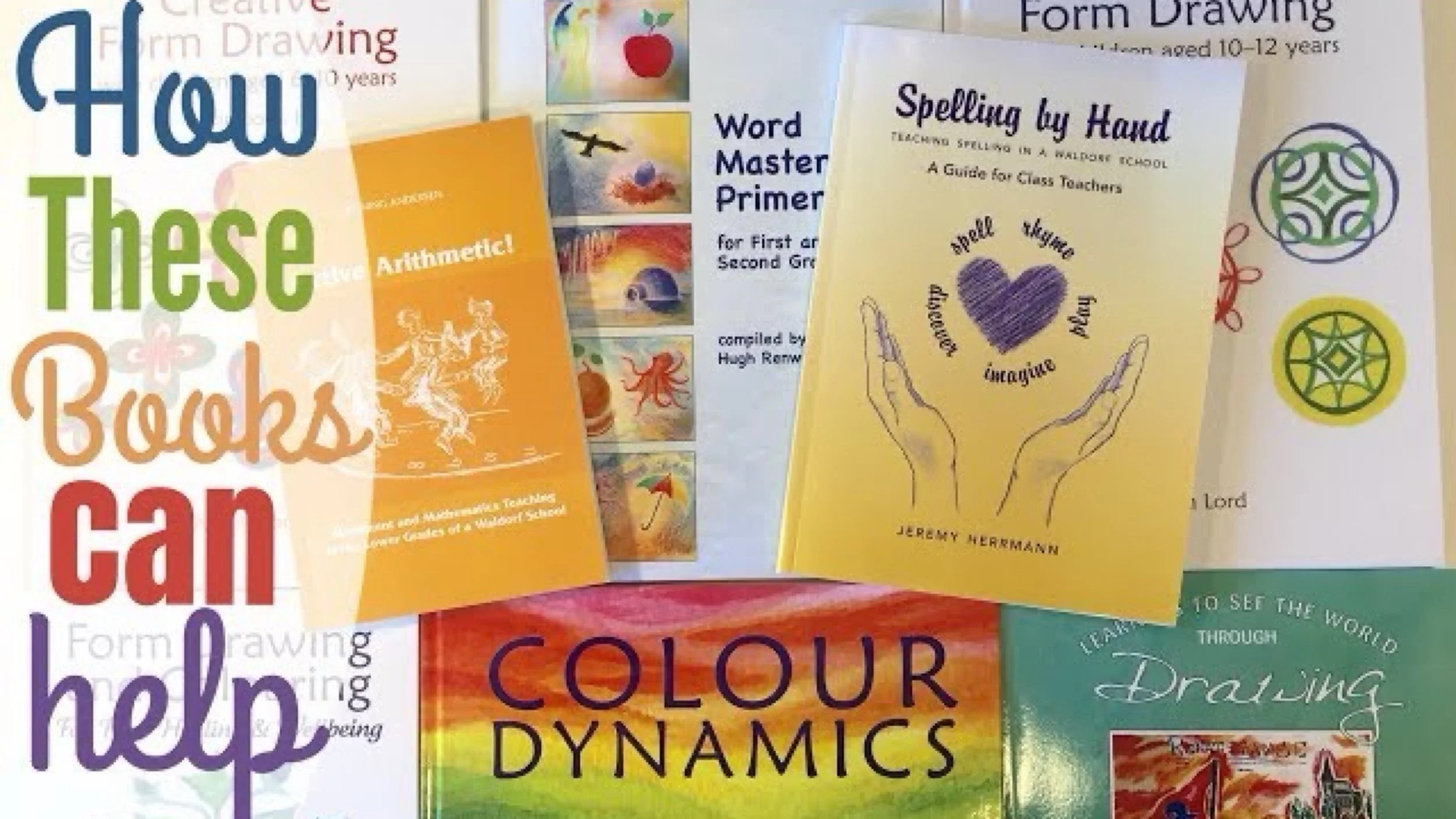
DETAILED Waldorf BOOK HAUL + I LOVE These Books!!!
This is more than a book haul. I give you snippets of info into the Waldorf philosophy and how we intend to use these books. The concepts in these books are nothing new to us; we done form drawing, watercolor painting and movement math, but these books are going to help provide more background information and definitely boost the inspiration. I'm super excited about them!!
A special thank you to all of you who have already shared the form drawing books online. Seeing them was the reason why I went to Amazon to buy them. Of course, Amazon then suggested other books, and I was immediately sucked in. A couple hundred dollars later, you have this: the most exciting book haul of our school year....hands down.
Here are some of the books we got:
Creative Form Drawing with Children ages 6-10: Workbook 1
Creative Form Drawing with Children Aged 10–12 Years: Workbook 2
Spelling by Hand: Teaching Spelling in a Waldorf School, a Guide for Class Teachers
Word Mastery Primer: For First and Second Graders
Colour Dynamics: Workbook for Water Colour Painting and Colour Theory
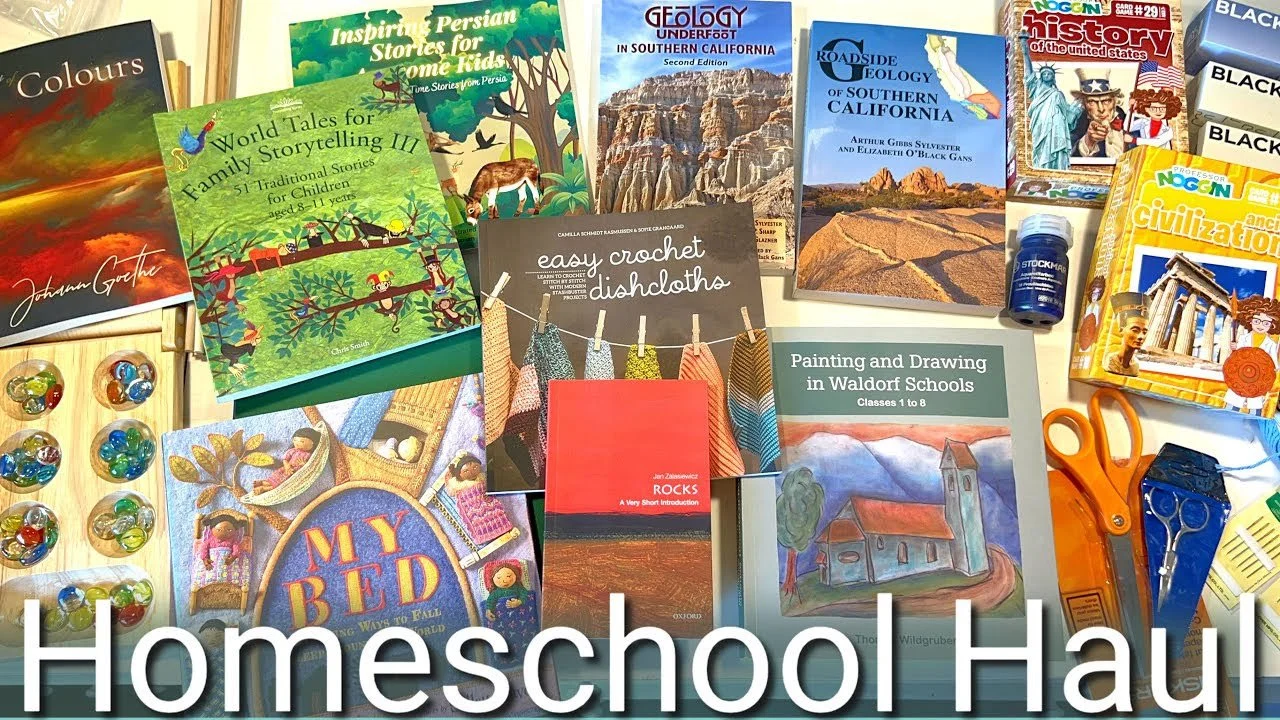
Painting and Drawing in Waldorf Schools: Classes 1 to 8
Top 3 Waldorf Inspired Toys
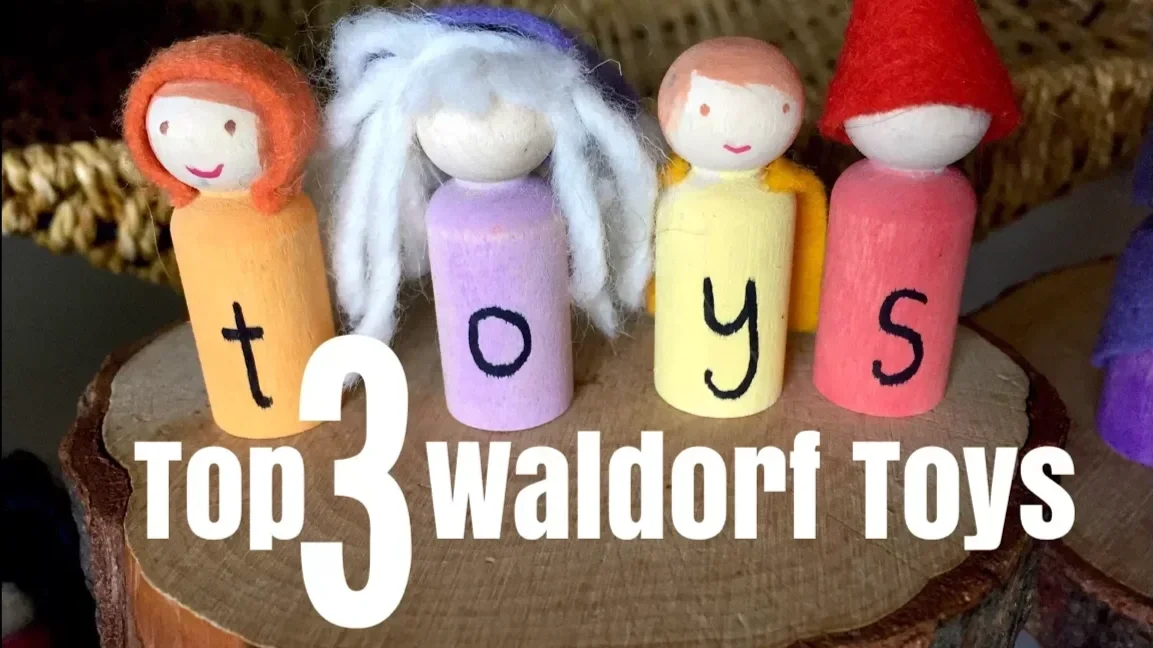
Waldorf inspired toys are ones that are made of natural materials and lend themselves well to open-ended imaginative play. When I think about my favorite Waldorf-inspired toys, the first that comes to mind are peg dolls and finger puppets. I’ve made many of these myself, but they’re also easy to find online or simple to create at home. What I love most about them is how open-ended they are. My children have spent countless hours inventing stories, acting out scenes, and letting their imaginations run free with these little figures. They invite creativity and allow for endless variations in play, which makes them a lasting favorite in our home.
Another toy that has been invaluable in our homeschool is wooden toys, especially natural wood blocks and sturdy toy trucks. These pieces are not only fun but also built to last. Over the years, I’ve noticed how beautifully wood ages, developing a patina that makes the toys even more charming, while plastic toys tend to lose their appeal as they scratch and dull. The durability and timeless beauty of wooden toys make them something I treasure and continue to encourage my children to use.
The last toy I want to share is play silks. These lightweight fabrics have brought so much joy and versatility into our playtime. My children have used them for everything from fort building to dress-up, as capes, or even as carriers for treasures. Though silks are lovely, any fabric can serve the same purpose, and I’ve found them to be a cherished part of our homeschool environment. They encourage imagination and have been loved for many years, making them one of the simplest yet most magical Waldorf-inspired toys in our home.
The Four Temperaments
Did you know that we are all a mix of the four temperaments? However, we tend to have a dominant temperament, a subdominant temperament, a temperament we loosely associate with a temperament that really doesn’t define us. But in actuality, we are a mix of all of them And striving for harmony between the temperaments we look to balance out our traits and qualities so that we can achieve an overall balanced temperament.
But how do you identify what temperament you are? How do you identify your strengths within that temperament? What shortcomings do you have to grow through as part of your temperament? And what can development of your temperament give you in your life’s journey?
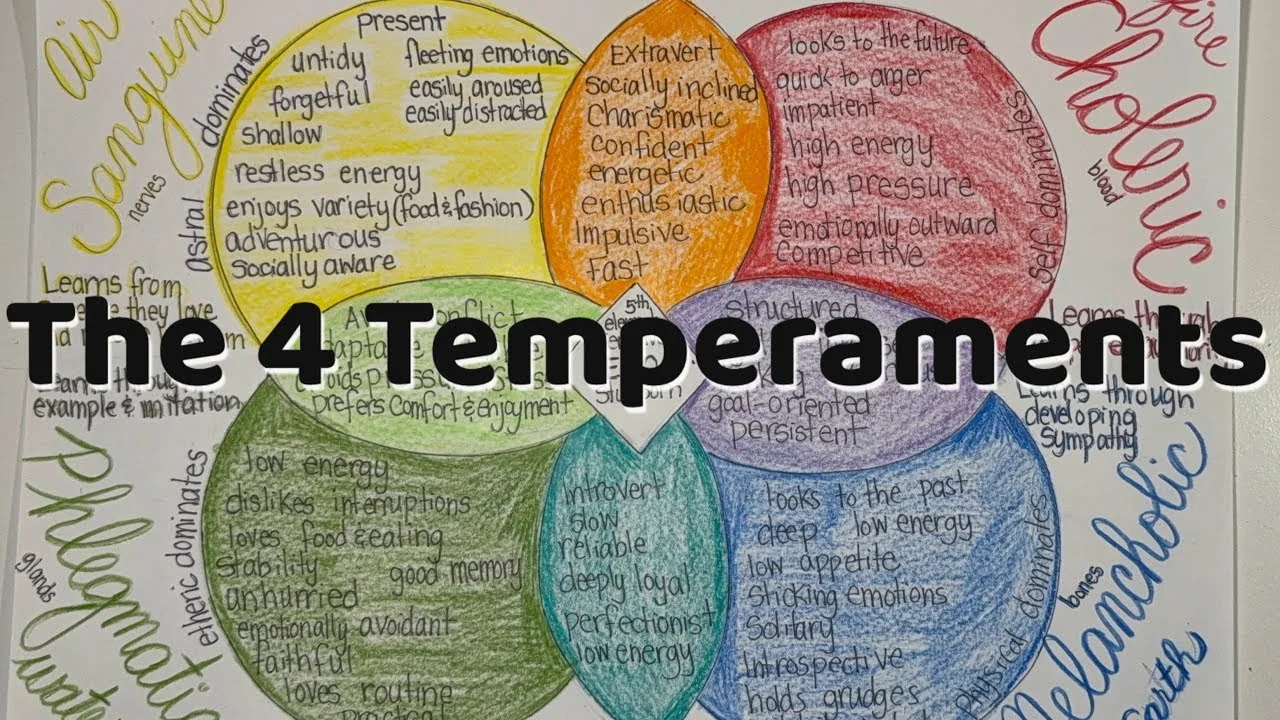
The four basic temperaments are choleric, sanguine, phlegmatic and melancholic.
Choleric is associated with the color, red and blood. When the self dominates in adulthood, the temperament is choleric. Some attributes of the choleric temperament are leadership, extrovert, strong, willed, quick to anger, charismatic, confident, high standards of oneself and others, structured And fast.
The sanguine temperament is associated with air and the color yellow. When the astral body dominates an adulthood, the temperament is sanguine. Some of the sanguine traits are extrovert, socially inclined, charismatic, untidy, forgetful, shallow connection to body, loves variety in food, fashion, and travel, loves adventure, talkative, doesn’t hold onto feelings very long, move forward with ease, flexible, adaptable, lives in the present.
The phlegmatic temperament is associated to the color green and the element of water. When the euphoric body dominates an adulthood, the temperament is phlegmatic. Some of the traits and qualities of phlegmatic are slow and steady, loves routine, avoids, high pressure, avoids conflict, loves food and eating, loves comfort, doesn’t like interruptions, has trouble getting started, but once engaged in a task does not want to leave it until it’s finished.
The melancholic is associated to the color blue and the element of earth. When the physical body dominates an adult adulthood, the temperament is melancholic. Attributes of the melancholic are deep, introverted, loyal, detail oriented, works on skills until perfected, deep thinker, cold disposition, feels deep emotions, often thinks it’s their fault, or they are to blame in situations and are apt to hold grudges.
There are a couple of qualities that are shared by all four temperaments. All four temperaments can be stubborn in their own way. And all four temperaments are emotional, but it is expressed uniquely. For instance, the cleric is quick to anger while the sanguine is quick to love and excitement. The melancholic holds feelings for a long time while the phlegmatic has a harder time relating to their feelings, but through development, they may become more comfortable with their feelings.
All four temperaments are also sensitive. But what they are sensitive to depends on each of their qualities and traits.
Each temperament learns differently as well.
The choleric will learn from someone who is a trusted respected authority, whereas the melancholic will learn through a development of their sympathy and compassion, and the sanguine will learn from someone who they love and who they receive love from and a phlegmatic will learn through example and imitation, so provide a suitable example for the phlegmatic to learn from through imitation.
It is the quintessential fifth element that brings out the balance between the temperaments and that would be the ego. With the ego in charge, we can find balance within our temperament.
Resources include but are not limited to Authentic Parenting by Bari Borsky and Judith Haney and Children and their Temperaments by Marieke Anschütz