Afghan
-
![]()
Afghan Garlic and Mint Meatballs
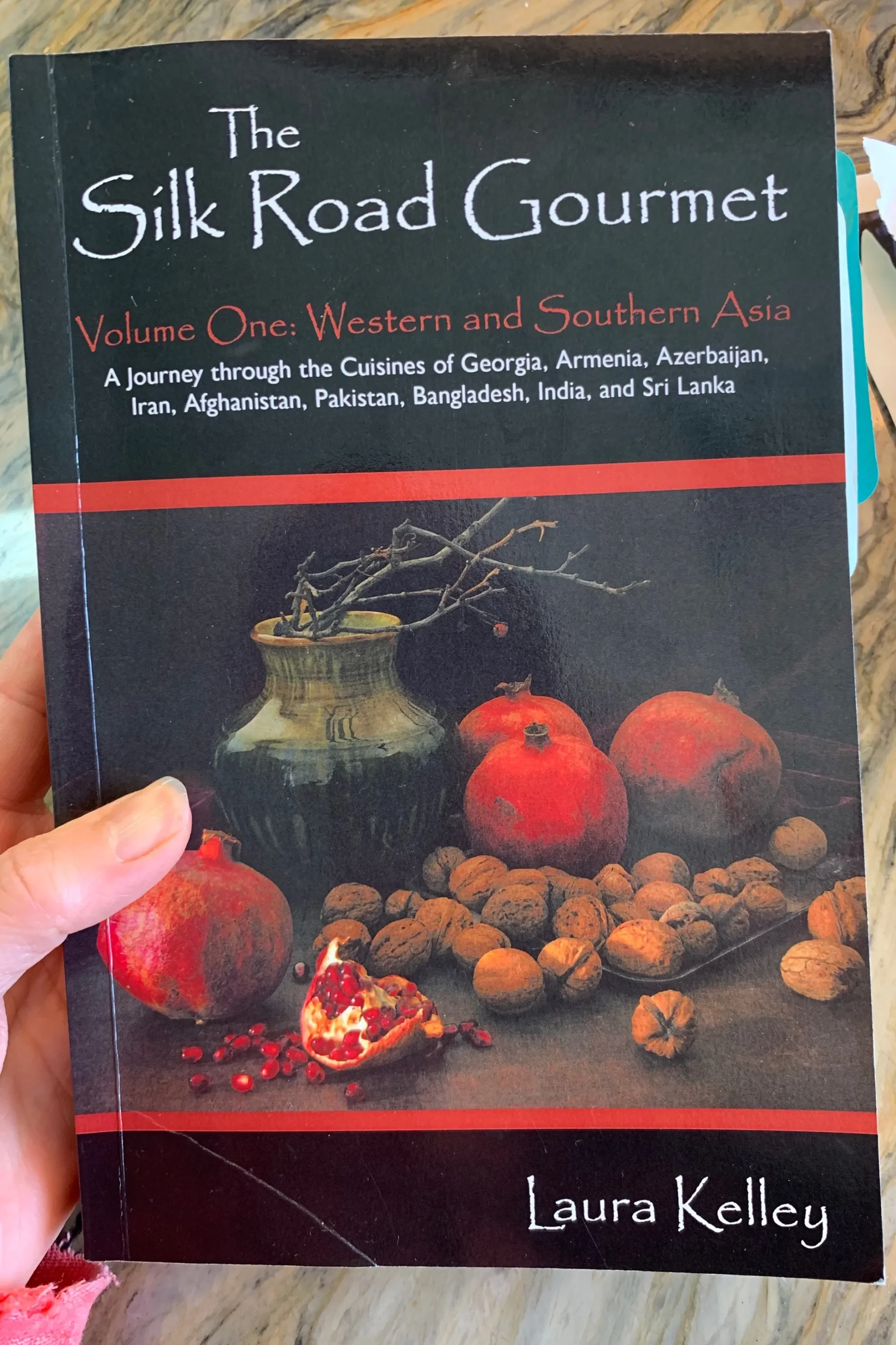
This recipe is significant. It's marks the point when we have had the most success with a cookbook. That cookbook is The Silk Road Gourmet by Laura Kelley. When putting together our history units, I like to find regional cookbooks as a way to include cooking foods from that culture, region or period in time.
-
![]()
Afghan Chicken Recipe
This is one of those wonderfully simple recipes that has become a favorite in our home. Today I'm sharing a very easy Afghan chicken recipe made with chicken leg thighs, fresh lemon juice, garlic, and a blend of warm spices. The recipe is traditionally delicious when cooked over a grill, but I wanted to make it accessible for everyone by preparing it in the oven.
-
![]()
Afghan Green Chutney | Cilantro, Chili and Vinegar Chutney
Afghan green chutney is a vibrant, tangy, and spicy condiment that is a staple alongside many Afghan meals and one of our family's favorite recipes. The base of the chutney begins with two bunches of fresh cilantro, which are washed and roughly chopped. The goal is to preserve some of the cilantro's texture rather than blending it completely smooth.
-
![]()
Afghan Salata | Tomato, Cucumber and Onion Salad
This is a simple and flavorful Afghan-inspired salad with fresh ingredients, vibrant flavors, and flexible preparation. Rather than focusing on strict measurements, the recipe is adjustable with proportions according to personal taste or prepared to accompany the dishes being served alongside it. The result is a refreshing salad that can function as a side dish, a garnish for rice, or even a light meal on its own; it's that good!
-
![]()
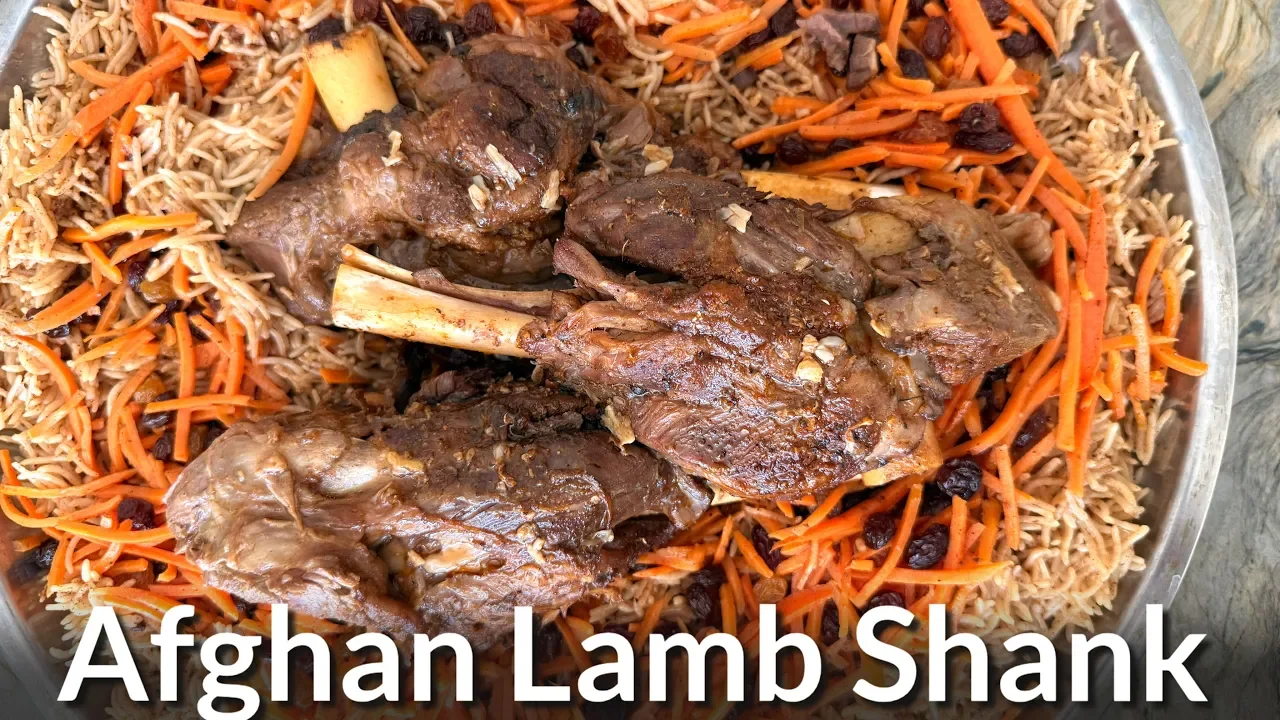
Afghan Lamb Shank
Afghan lamb shanks are a beautiful and flavorful dish that pair perfectly with Kabuli palau, the Afghan rice made with carrots and raisins. This is a filling meal with such a lovely presentation, especially when it is served with Afghan green chutney, yogurt, and a simple salad.
-
![]()
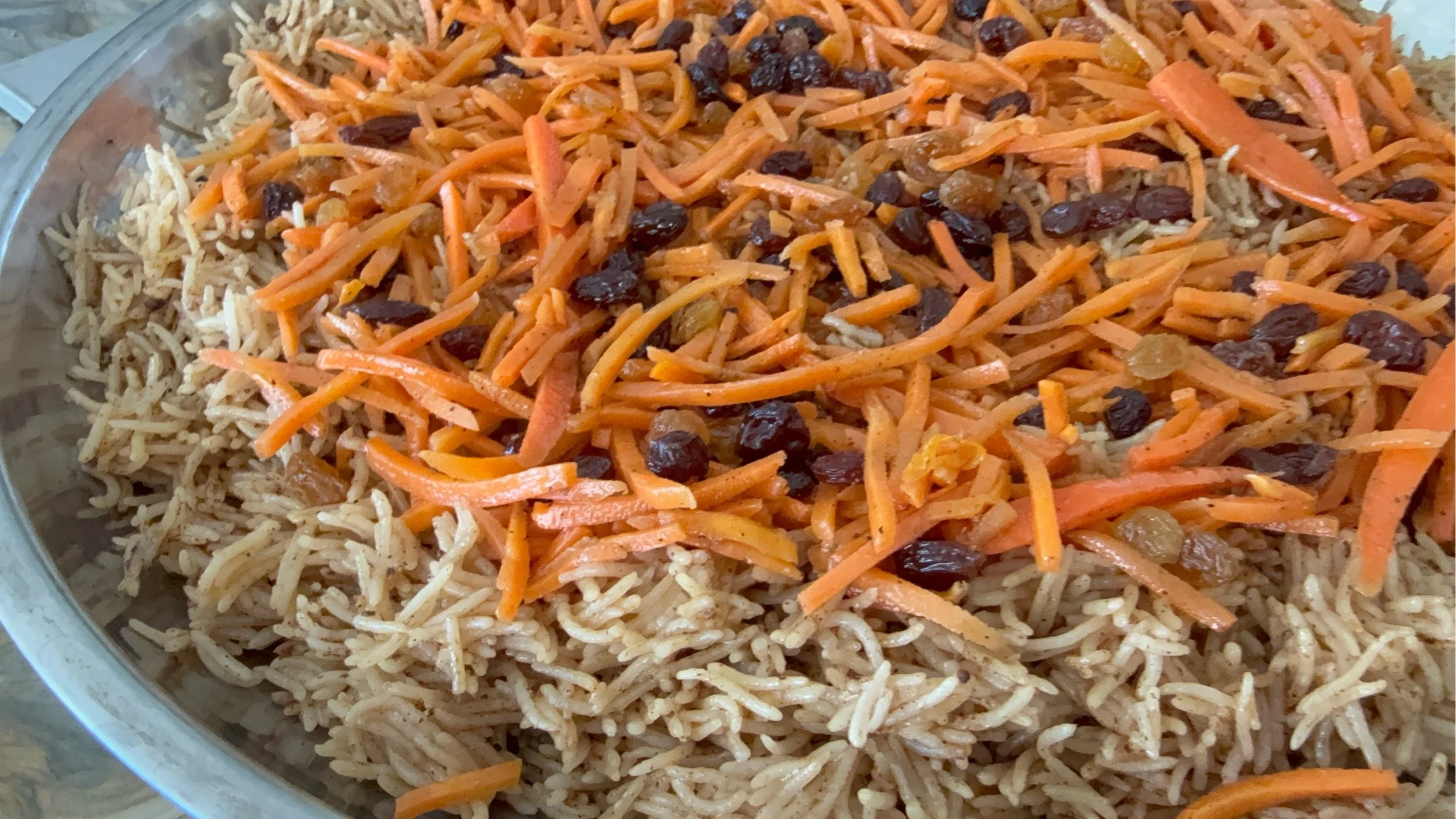
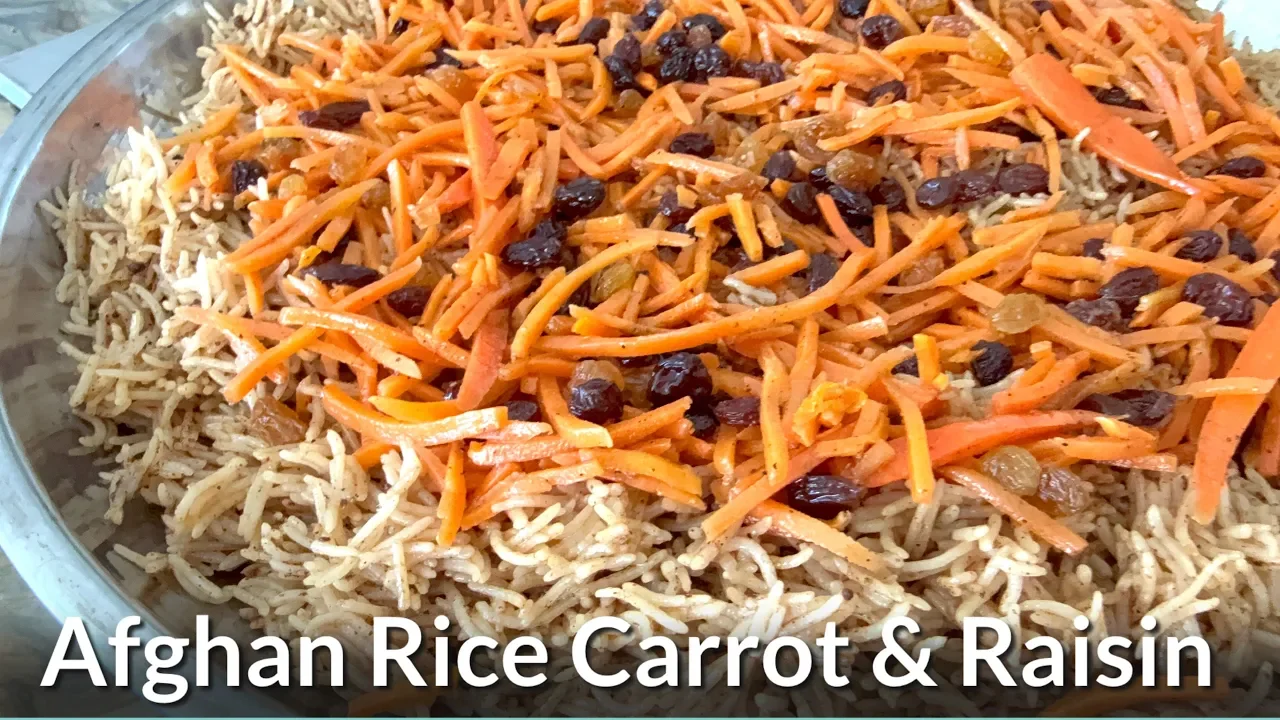
Qalbuli Pulao | Afghan Rice Recipe
Qabuli Palau is one of my favorite Afghan dishes because it is simple to make, incredibly flavorful, and pairs beautifully with Afghan lamb shanks. The warm spices, sweet carrots and raisins, and fragrant basmati rice come together to create a meal that is both comforting and special. One of my favorite resources for Afghan cooking is The Silk Road Gourmet by Laura Kelly, and this recipe has become a family favorite.
-
![]()
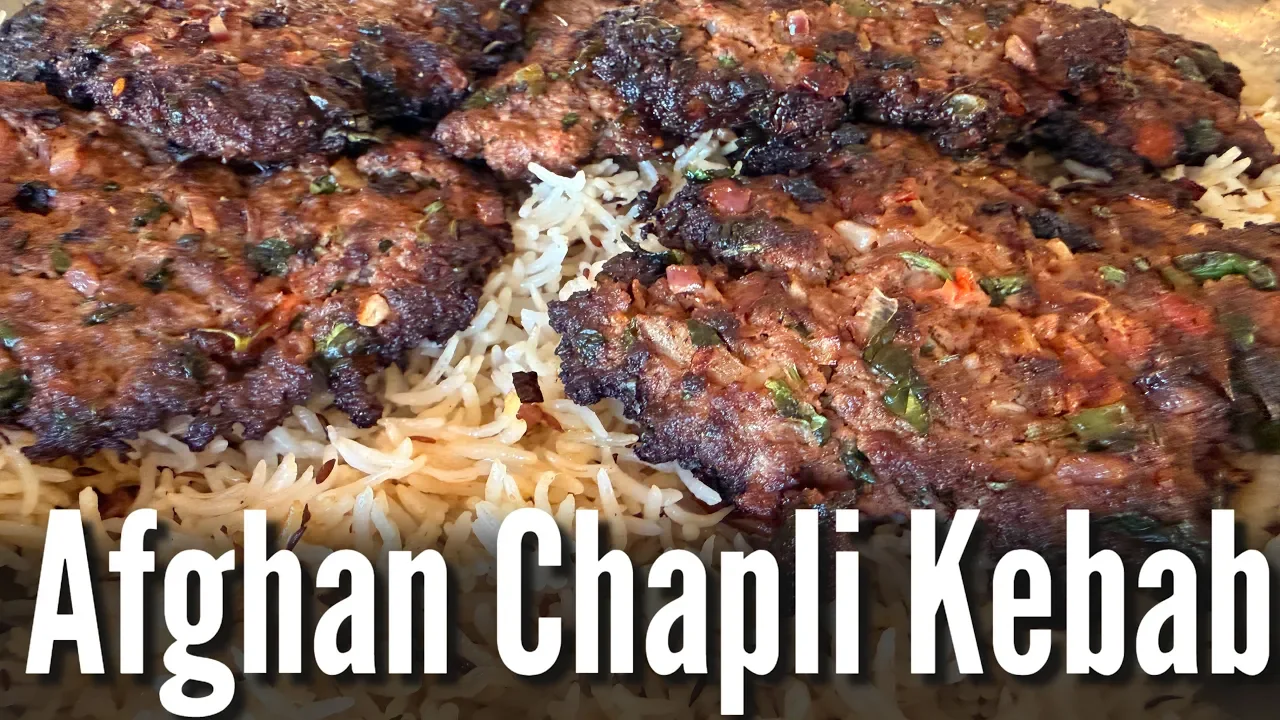
Chapli Kebabs
Chapli kebabs are one of my family's favorite Afghan meals, and whenever I make them, I make a large batch because they disappear so quickly. They're packed with fresh herbs, tomatoes, onions, and warm spices, creating a kebab that is incredibly flavorful with crispy edges and a tender center. This recipe is perfect for feeding a crowd, and it reheats beautifully if you have leftovers.
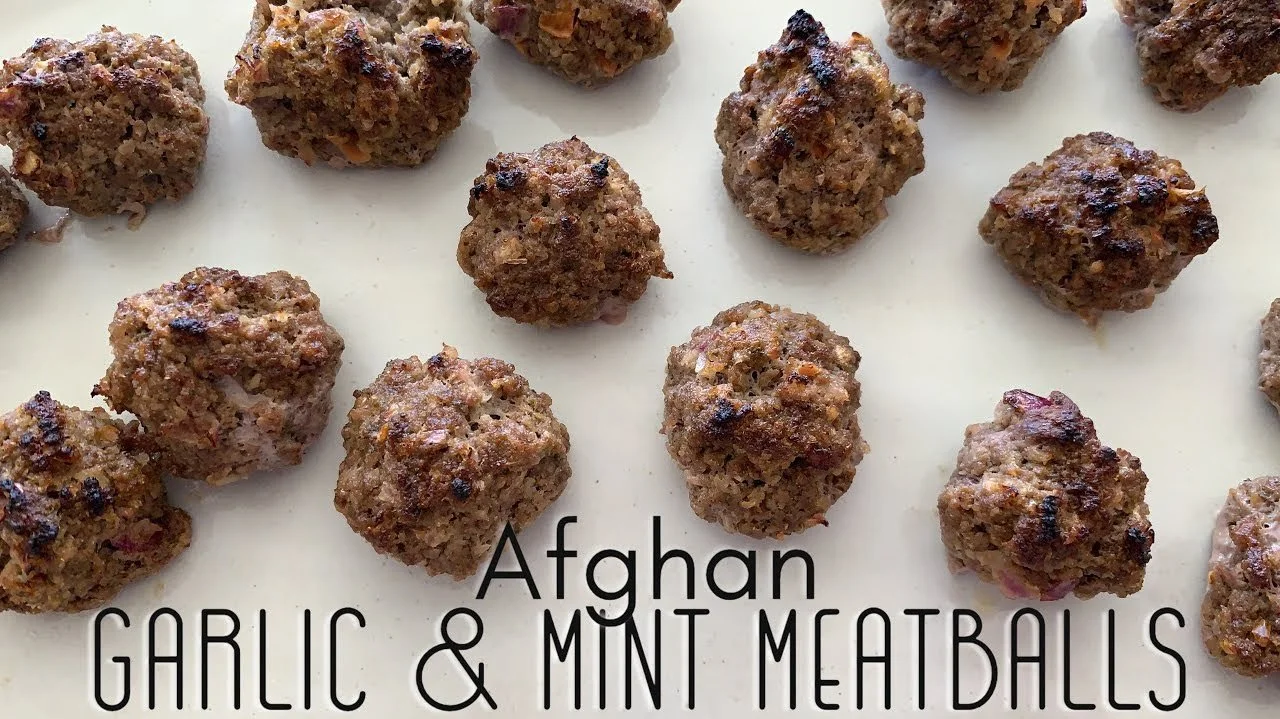

Afghan Garlic and Mint Meatballs
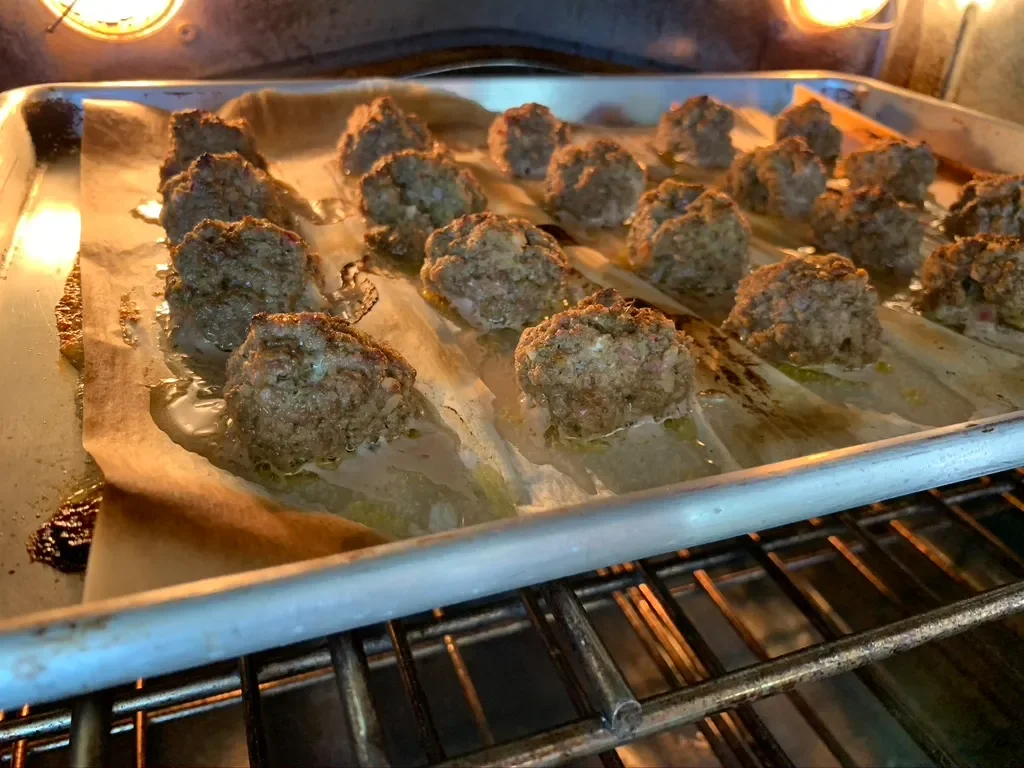
This recipe is significant. It’s marks the point when we have had the most success with a cookbook. That cookbook is The Silk Road Gourmet by Laura Kelley. When putting together our history units, I like to find regional cookbooks as a way to include cooking foods from that culture, region or period in time. There are many ways to connect and experience a culture. It could be through art, music, handwork or my favorite: Food! When we taste food from different parts of the world, it is a connection point for me that I like to share and experience with my children. Each of us have a unique set of interests and passions, and for me including food (and handwork) into our homeschool lessons is close to my heart and one of my oldest homeschool goals.
So today I bring you Afghan Garlic and Mint meatballs. I love mint, but mostly in my tea. I don’t usually cook with mint. The Silk Road Gourmet cookbook has changed that. A number of recipes call for mint, and I have been pruning my mint plant to keep up with the demand. These meatballs are also spicy! They call for quite a bit of chilis which my children love.
Usually when I try a new recipe I cut it in half or even more to see how we will like it. Either the portions are smaller in this cookbook, or I have rightful anticipated that my family will love it because I have been doubling and tripling these recipes with great success. While you can find the complete and unmodified recipe in the cookbook The Silk Road Gourmet on page 169, I’ll share my version here.
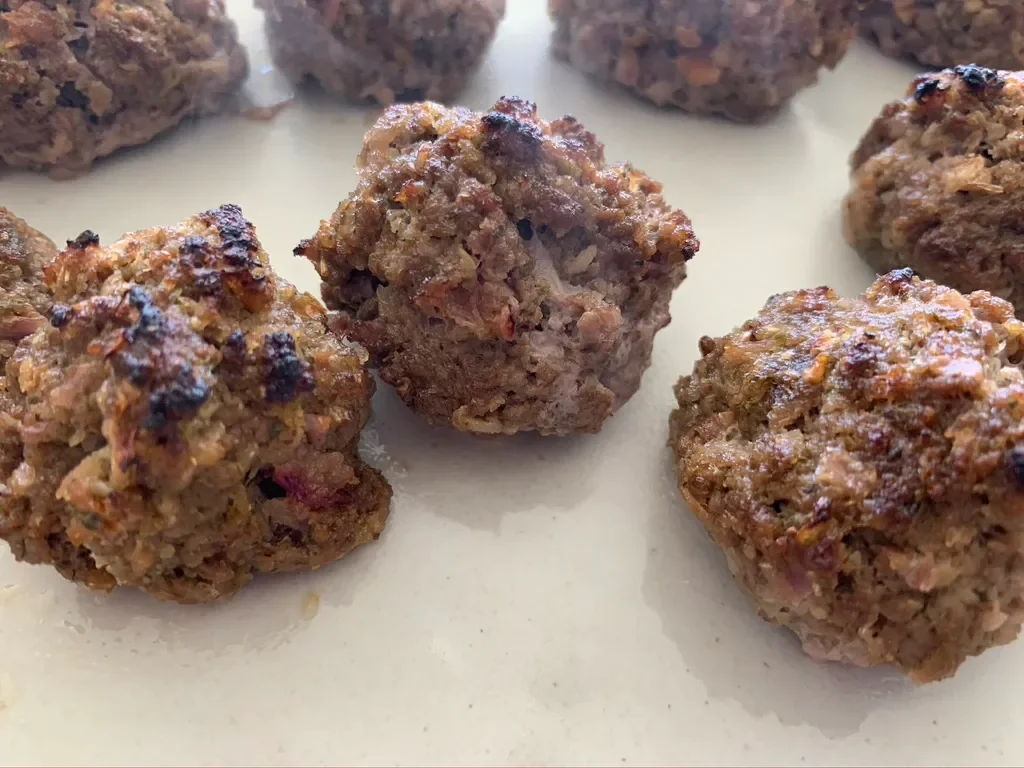
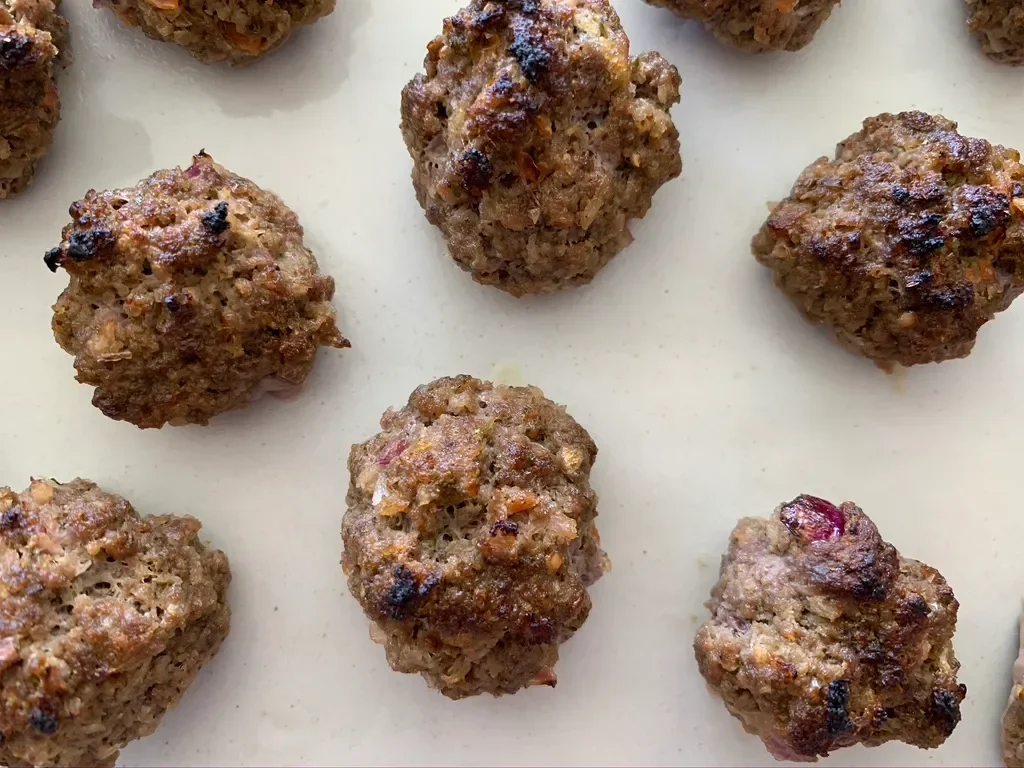
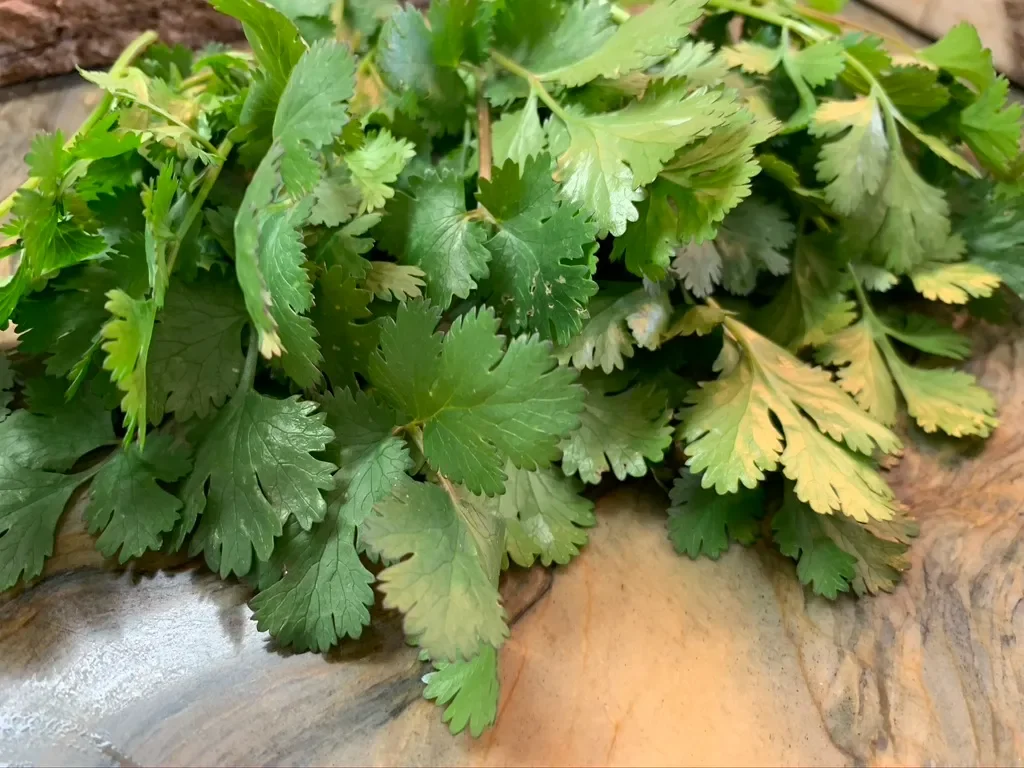
I made the seasoning mix first adding 1 chopped red onion per 2 pounds of ground beef rather than 2 yellow onions per pound. I grabbed a handful of fresh mint (plus another teaspoon or so of dried mint) and a handful of fresh cilantro from my garden and added that to my NutriBullet to blend. I added a whole head of garlic plus the juice of 3 limes. The recipe calls for less garlic and lemon rather than lime. I added 4 teaspoons of coriander, 1 teaspoon of freshly ground black pepper and 2 teaspoons of salt. I didn’t have any tomatoes, so I used cherry tomatoes in lieu of one tomato. The recipe calls for a 1:1:1 ratio of beef, tomato and onion. When I’ve done that in the past, I end up with a very wet meat mixture which sweats a lot of moisture when cooking. I don’t end up with the nice browned look you get when you barbeque or broil. By chance, because I didn’t have more onions of tomatoes, I ended up liking this mix quite a bit. I still plan to make them in the future with more onions and tomatoes, but I was pleasantly surprised at the outcome.
Once everything was mixed together, I added it to the ground beef and chilled it for an hour. Then I rolled them into meatballs and set them on a tray lined with parchment paper. I broiled them for 10 minutes. I served this with Afghan Carrot and Raisin rice.
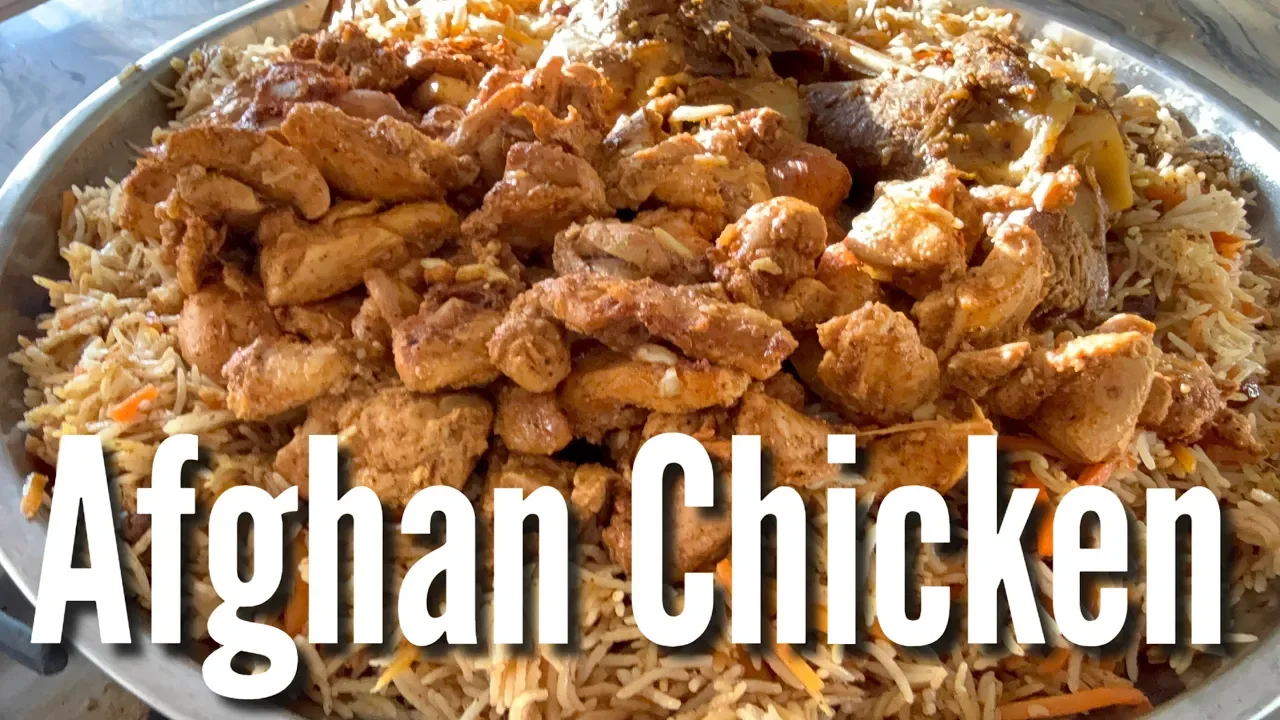
Afghan Chicken Recipe
This is one of those wonderfully simple recipes that has become a favorite in our home. Today I'm sharing a very easy Afghan chicken recipe made with chicken leg thighs, fresh lemon juice, garlic, and a blend of warm spices. The recipe is traditionally delicious when cooked over a grill, but I wanted to make it accessible for everyone by preparing it in the oven.
The process begins by trimming the chicken and cutting it into large chunks. Fresh lemon juice is poured over the chicken first, creating the foundation of the marinade while the remaining ingredients are prepared. The spice blend is wonderfully fragrant and includes black peppercorns, salt, turmeric, paprika, and coriander. I love grinding the whole spices together because it creates such a fresh and vibrant flavor.
The marinade also includes a generous amount of garlic. I use an entire head of garlic, smashing it with a mortar and pestle before adding it to the chicken. The fresh garlic really gives this dish its wonderful depth of flavor, although the recipe is very forgiving and can easily be adapted by using garlic powder instead. A splash of apple cider vinegar is added as well, and for even more flavor, cilantro and onion can be blended and mixed into the marinade.
Once everything is combined, the chicken is allowed to marinate for anywhere from thirty minutes to two hours. Because of the fresh lemon juice, it's best not to let it sit for too long. The chicken is then arranged on a tray and cooked under the broiler for just five to seven minutes. It cooks surprisingly quickly.
While the oven method is incredibly convenient, there is no question that this chicken is at its absolute best when threaded onto bamboo skewers and grilled over an open flame. The grill gives the chicken that beautiful blackened exterior and smoky flavor that is difficult to replicate in the oven. Even so, the oven version is still incredibly delicious and pairs beautifully with other Afghan dishes, especially raisin and carrot rice.
This recipe is a reminder that simple ingredients can come together to create something deeply flavorful and comforting. It is an easy meal to prepare, adaptable to what you have on hand, and a wonderful introduction to Afghan cooking for anyone looking to bring new flavors into their kitchen.
Afghan Chicken (Murgh Kabob)
A simple, flavorful Afghan chicken recipe that is traditionally grilled but can easily be made in the oven. The fresh lemon, garlic, and warm spices create a tender, aromatic chicken that pairs beautifully with Afghan rice dishes, especially raisin and carrot rice.
Serves: 4–6
Ingredients
2½–3 pounds (1.1–1.4 kg) chicken leg-thigh pieces, boneless or bone-in
Juice of 2 lemons
1 whole head garlic, peeled and crushed
2 teaspoons whole black peppercorns
2 teaspoons salt, or to taste
½ teaspoon ground turmeric
1 teaspoon paprika
1 teaspoon coriander seeds
1 teaspoon ground coriander
1 tablespoon apple cider vinegar
Optional:
½ small onion, roughly chopped
Small handful fresh cilantro
Instructions
1. Prepare the Chicken
Trim excess fat from the chicken leg-thigh pieces and cut them into large chunks.
Place the chicken in a large bowl and drizzle with the juice of two lemons.
2. Prepare the Spice Blend
In a spice grinder or small blender, combine:
Black peppercorns
Salt
Turmeric
Paprika
Coriander seeds
Ground coriander
Blend until the spices are finely ground and well combined.
3. Make the Marinade
Add the spice mixture to the chicken.
Crush the garlic using a mortar and pestle (or mince finely) and add it to the bowl.
Add the apple cider vinegar.
If using onion and cilantro, blend them together in a small food processor and stir them into the marinade.
Mix everything thoroughly so the chicken is evenly coated.
4. Marinate
Cover and refrigerate for 30 minutes to 2 hours.
Do not marinate much longer than this, as the fresh lemon juice can begin to break down the chicken too much.
5. Cook
Oven Method
Arrange the chicken pieces on a baking tray in a single layer.
Broil on high for 5–7 minutes per side, or until the chicken is cooked through and lightly browned.
Traditional Grill Method
Thread the chicken onto bamboo skewers and grill over medium-high heat until cooked through and beautifully charred. This method gives the chicken its classic smoky flavor and blackened edges.
Serving Suggestions
Serve with:
Afghan raisin and carrot rice (Kabuli Palaw)
Fresh salad
Yogurt sauce
Warm naan
The chicken is tender, bright with lemon, and deeply fragrant from the garlic and coriander, making it a simple but delicious addition to any Afghan meal.
Afghan Green Chutney | Cilantro, Chili and Vinegar Chutney
Afghan green chutney is a vibrant, tangy, and spicy condiment that is a staple alongside many Afghan meals and one of our family's favorite recipes. The base of the chutney begins with two bunches of fresh cilantro, which are washed and roughly chopped. The goal is to preserve some of the cilantro's texture rather than blending it completely smooth. One of my favorite resources for Afghan cooking is The Silk Road Gourmet by Laura Kelly
For heat, the recipe uses two Serrano peppers and one or two California red chilies, though the spice level can easily be adjusted. Removing the seeds or substituting a jalapeño creates a milder version, while leaving the seeds intact results in a much spicier chutney. A few cloves of garlic are lightly smashed and blended first to create a flavorful base.
The chutney's signature tang comes from a combination of three tablespoons of apple cider vinegar and the juice of two lemons. Although some versions of this recipe use apple purée or applesauce, apple cider vinegar is preferred because it provides the same subtle fruitiness without altering the texture. If the finished chutney is too acidic, it can be mellowed with a little water.
Once the garlic, vinegar, and lemon juice are blended together, the cilantro is added and pulsed just enough to combine the ingredients while still maintaining some texture. The chutney is then seasoned with salt, cumin powder, and a small amount of black pepper, added gently so that the fresh flavors of the cilantro, vinegar, and chilies remain the focus. A splash of additional apple cider vinegar can be added at the end to achieve the desired consistency.
Allowing the chutney to rest for about thirty minutes gives the flavors time to meld together beautifully. The result is a bright, zesty, and deeply flavorful condiment that pairs wonderfully with a wide variety of dishes and is often one of the first things to disappear from the table.
Afghan Green Chutney
This fresh and vibrant Afghan green chutney is the perfect accompaniment to kabobs, rice dishes, and roasted meats. It is bright from the lemon and apple cider vinegar, full of fresh cilantro flavor, and can be adjusted to your preferred level of heat.
Ingredients
2 bunches fresh cilantro, washed and roughly chopped
2 Serrano peppers, roughly chopped
1–2 California red chilies, optional for extra heat
3–4 cloves garlic, lightly smashed
3 tablespoons apple cider vinegar, plus more as needed
Juice of 2 lemons
Salt, to taste
½ teaspoon ground cumin, or to taste
Pinch of black pepper
Instructions
Place the garlic, apple cider vinegar, and lemon juice in a blender or food processor and blend until the garlic is finely chopped.
Add the Serrano peppers and red chilies and pulse until incorporated. If you prefer a milder chutney, remove the seeds from the peppers or substitute a jalapeño.
Add the cilantro and pulse just until everything is combined. The chutney should still have some texture, and the cilantro should not be completely puréed.
Season with salt, ground cumin, and a pinch of black pepper. Add an additional splash of apple cider vinegar if needed to reach your desired consistency.
Transfer the chutney to a serving bowl and let it rest for about 30 minutes before serving. This allows the flavors to meld together and creates a wonderfully tangy, herbaceous, and spicy condiment.
Serve alongside Afghan rice dishes, kabobs, grilled meats, or as a dip with fresh bread.
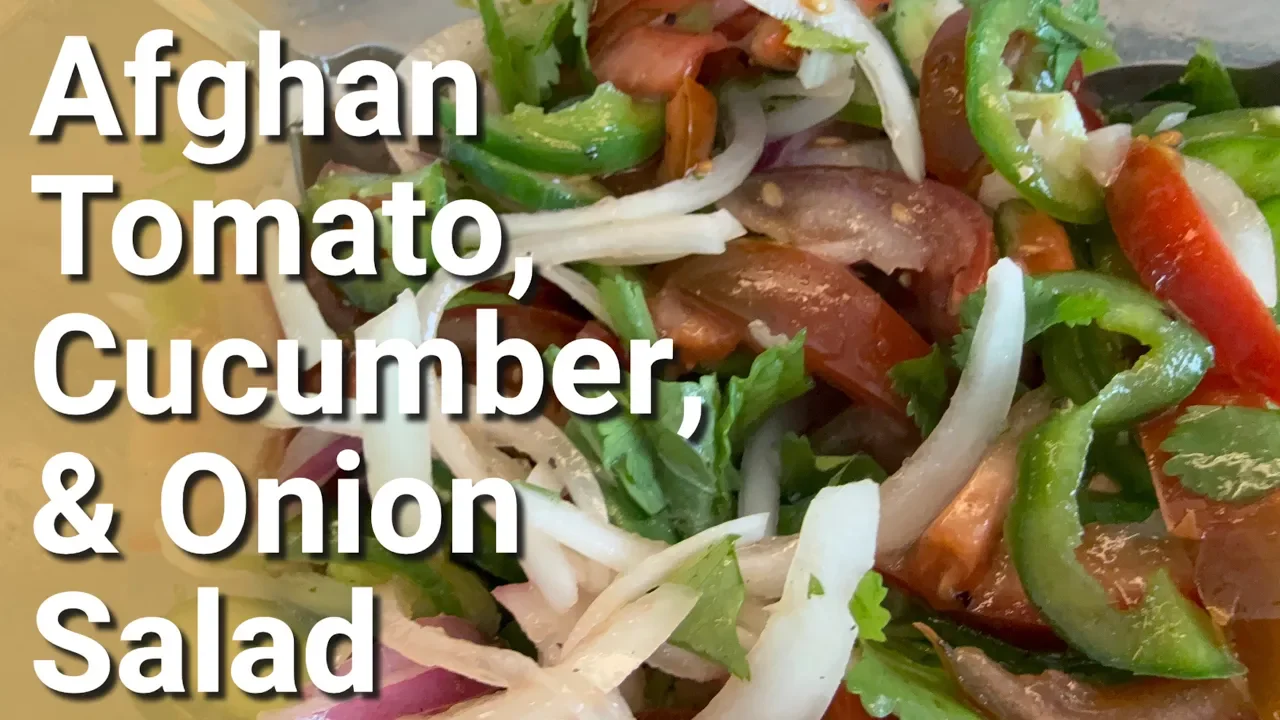
Afghan Salata | Tomato, Cucumber and Onion Salad
This is a simple and flavorful Afghan-inspired salad with fresh ingredients, vibrant flavors, and flexible preparation. Rather than focusing on strict measurements, the recipe is adjustable with proportions according to personal taste or prepared to accompany the dishes being served alongside it. The result is a refreshing salad that can function as a side dish, a garnish for rice, or even a light meal on its own; it's that good! One of my favorite resources for Afghan cooking is The Silk Road Gourmet by Laura Kelly
I use fresh lemon juice, which serves as the foundation of the dressing. The bright acidity of the lemons provides freshness and helps bring together the flavors of the vegetables and herbs, vinegar is added as well, but but may be omitted. Because the salad relies on simple ingredients, the quality and freshness of each component play an important role in the final result. So use your favorite variety of cucumber, onion and tomato. Additional lemon juice can be added according to preference, creating a more vibrant and tangy flavor profile, but if you leave the salad to sit too long, the vegetables will wilt.
Two varieties of onion are included in the salad: red onion and white onion. The onions are sliced thinly to create a pleasant texture and make them easier to eat. If you dice the vegetables finely, the salad makes a great side addition to rice and meat dishes.
I prefer Persian cucumbers for their crisp texture, mild flavor, and delicate skin. Thin round slices create a refreshing crunch throughout the salad. While other cucumber varieties can be substituted, Persian cucumbers are particularly well suited for this type of salad because they remain firm and flavorful without becoming watery or bitter. You may use a mandoline to finely dice cucumbers as well.
A jalapeño pepper is added for a touch of spice, but is easily omitted. These jalapeños were not spicy, but if they were, you may de-seed them. The jalapeño provides a subtle warmth that complements the bright flavors of the vegetables without overwhelming them. The balance of sweet tomatoes, tangy lemon and spicy jalapeno is perfect for spring and summer. The option to omit the pepper entirely allows the salad to be adapted for different tastes and dietary preferences, especially if this salad is paired with Chapli Kebab.
Tomatoes add sweetness, color, and juiciness to the dish. If you use juicy tomatoes, consider de-seeding or serving with 20 minutes of preparation. Or, alternatively, dress the salad just prior to serving to avoid a soggy diluted salad. Choose your favorite tomatoes, but the tartness, sweetness and blandness of the tomatoes will alter the salad flavor. I love a grape or cherry tomato for its sweetness, but in this case, these Kumato tomatoes are just perfect for this salad as they are flavorful like heirloom tomatoes, yet subtly sweet.
Fresh herbs play a particularly important role in this salad. Cilantro is included in this recipe, but parsley and mint are also traditional additions. Among the herbs, mint is highlighted as especially important because it has a distinctive freshness and brightness that elevates the salad. The addition of mint transforms the dish into a particularly refreshing spring and summer recipe, making it ideal for warm weather meals and outdoor dining.
The dressing remains intentionally simple. Alongside the lemon juice, a small amount of vinegar and olive oil are added, followed by salt and black pepper. While the vinegar is optional because of the acidity already present in the lemons, it contributes an additional layer of tanginess that enhances the overall flavor. Apple cider vinegar is recommended as it will be in other Afghan recipes and tying the salad together with other sides bring cohesiveness to the meal. The olive oil softens the acidity and helps distribute the flavors evenly throughout the salad. Use your favorite olive oil!
Once all of the ingredients are combined, the salad is gently tossed to ensure that the dressing coats everything. You may let the salad to rest for about thirty minutes helps the flavors blend and develop. But too long and you'll end up with a soggy salad.
This is a flexible salad. Choose a balance between cucumbers, onions and tomatoes that suits your palate. The proportions of vegetables, herbs, and seasonings can be adjusted based on family preferences and the meal being served. Additional tomatoes, herbs, or lemon juice can easily be incorporated to create a customized version.
Afghan Lamb Shank
Afghan lamb shanks are a beautiful and flavorful dish that pair perfectly with Kabuli palau, the Afghan rice made with carrots and raisins. This is a filling meal with such a lovely presentation, especially when it is served with Afghan green chutney, yogurt, and a simple salad. We love the book The Silk Road Gourmet by Laura Kelly for more Afghan recipes.
The lamb shanks are seasoned with a warm blend of spices, garlic, lemon juice, and apple cider vinegar. I have made this recipe a couple of different ways, and I found that it works best to combine the spices and wet ingredients first and then coat the lamb shanks with the marinade. I would add the water directly to the Instant Pot rather than mixing it into the marinade because too much liquid makes it harder to coat the meat evenly.
The lamb shanks can marinate for about two hours, although I have made them both with and without marinating. I really think the cut of meat and the cooking process make the biggest difference. Some lamb shanks are much larger, meatier, and more tender than others. The larger ones I used were less gamey and had so much more flavor.
I cooked the lamb shanks in the Instant Pot for a total of about one hour and fifteen minutes. I first cooked them for 52 minutes with a natural release because I wanted to save the broth for the Kabuli palau. I then returned them to the Instant Pot for another 25 minutes until they were tender. The broth produced during cooking is full of flavor and can be used to prepare the rice served alongside the lamb.
I made the recipe again without the turmeric and saffron, and I actually preferred that version. Both are optional, depending on the flavor and color you want.
Afghan Lamb Shanks Recipe
Ingredients
* 2 lamb shanks
* 1 teaspoon salt
* ½ teaspoon turmeric, optional
* A small amount of saffron, optional
* 1 teaspoon paprika
* ½ teaspoon whole black peppercorns
* 1 teaspoon coriander seeds
* 1 teaspoon garam masala
* 6 cloves garlic
* Juice of 1 lemon, about 1–2 tablespoons
* 1 tablespoon apple cider vinegar
* Water for the Instant Pot
Instructions
1. Add the salt, turmeric, saffron, paprika, black peppercorns, coriander seeds, and garam masala to a spice grinder. Grind until the whole spices are broken down. A mortar and pestle can also be used, although the spices may remain a little more coarse.
2. Peel the garlic cloves and mash them by hand or blend them into a paste.
3. Combine the ground spices, garlic, lemon juice, and apple cider vinegar in a small bowl.
4. Coat the lamb shanks thoroughly with the marinade.
5. Allow the lamb shanks to marinate for about two hours, if time allows.
6. Place the lamb shanks in the Instant Pot and add the water directly to the pot rather than to the marinade.
7. Cook on high pressure for about 1 hour and 15 minutes, followed by a natural release. Another option is to cook them for 52 minutes, allow the pressure to release naturally, reserve the broth for Kabuli palau, and then cook the lamb shanks for another 25 minutes until tender.
8. Serve the lamb shanks over Kabuli palau with Afghan green chutney, yogurt, and salad.
This is such a delicious crowd-pleaser and a wonderful dish to serve when you want something hearty, comforting, and beautiful.
Qalbuli Pulao | Afghan Rice Recipe
Qabuli Palau is one of my favorite Afghan dishes because it is simple to make, incredibly flavorful, and pairs beautifully with Afghan lamb shanks. The warm spices, sweet carrots and raisins, and fragrant basmati rice come together to create a meal that is both comforting and special. One of my favorite resources for Afghan cooking is The Silk Road Gourmet by Laura Kelly, and this recipe has become a family favorite.
The first step is making Afghan char masala, a traditional spice blend that adds so much depth of flavor to the rice. I like to grind the spices fresh in a grinder that I reserve only for spices, although a mortar and pestle works well too. Freshly ground spices have such a wonderful aroma and make a noticeable difference in the finished dish.
For the rice, I use long-grain basmati rice. Rinsing and soaking the rice is something I've done for years because it helps the grains cook up light and fluffy. Since I'm making this in the Instant Pot, regular basmati rice works beautifully, and I don't find it necessary to use parboiled rice.
One of my favorite ways to make this dish is by using the broth from my Afghan lamb shanks. The broth adds incredible flavor and gives the rice a beautiful golden color. It's completely optional, but if you're making both recipes together, it's well worth saving the broth.
The carrots and raisins can either be cooked directly with the rice or prepared separately on the stovetop. Cooking them separately allows you to control exactly how many carrots and raisins you want on top, and sautéing them with a little olive oil and Afghan char masala adds even more flavor. I also like to use both regular Afghan raisins and golden raisins for a little more variety.
One of the biggest tips I've learned is not to overfill the Instant Pot with rice. I never cook more than three or four cups at a time because the texture stays much better. As soon as the rice is finished cooking, I fluff it immediately so it doesn't continue cooking in the residual heat.
Served alongside Afghan lamb shanks, with a little extra broth spooned over the top, this is one of those meals that feels both elegant and comforting. It's become one of our favorite Afghan dinners and is always a crowd-pleaser.
Afghan Kabuli Palau Recipe
Afghan Char Masala
Ingredients
* 1 tablespoon cumin seeds
* 1 tablespoon whole black peppercorns
* 1 tablespoon ground cinnamon
* 2 teaspoons whole cloves
* Seeds from 5–10 black cardamom pods (adjust to taste)
Instructions
1. Remove the seeds from the black cardamom pods.
2. Add the cumin, black peppercorns, cinnamon, cloves, and cardamom seeds to a spice grinder.
3. Grind until finely blended.
4. Store the extra char masala in an airtight jar for future recipes.
Kabuli Palau
Ingredients
* 3 cups long-grain basmati rice
* 1 cup Afghan lamb broth (or substitute additional water or broth)
* 4 teaspoons Afghan char masala
* 8 ounces shredded carrots
* ½ cup Afghan raisins
* ½ cup golden raisins (optional)
* 1 generous teaspoon salt
* 1 tablespoon olive oil (optional)
Instructions
1. Rinse the basmati rice at least three times, until the water begins to run mostly clear.
2. Soak the rice while preparing the remaining ingredients.
3. Add the rice to the Instant Pot.
4. Pour in the lamb broth.
5. Add the char masala, salt, raisins, shredded carrots, and olive oil.
6. Cook using the Rice setting (about 12 minutes for 3 cups of rice).
7. Perform a quick release as soon as cooking is complete.
8. Immediately fluff the rice to keep the grains light and separate.
9. Transfer to a serving platter.
Optional Carrot and Raisin Topping
For a more traditional presentation:
* Sauté the shredded carrots in a little olive oil until just tender.
* Add the Afghan char masala.
* Stir in the raisins only after the carrots are finished cooking so the raisins don't burn.
* Use a mixture of regular Afghan raisins and golden raisins if desired.
* Spoon the warm carrot and raisin mixture over the cooked rice before serving.
Serve with Afghan lamb shanks, a spoonful of the reserved broth over the rice and meat, Afghan green chutney, yogurt, and a fresh salad for a complete Afghan meal.
Afghan Chapli Kebabs
Chapli kebabs are one of my family's favorite Afghan meals, and whenever I make them, I make a large batch because they disappear so quickly. They're packed with fresh herbs, tomatoes, onions, and warm spices, creating a kebab that is incredibly flavorful with crispy edges and a tender center. This recipe is perfect for feeding a crowd, and it reheats beautifully if you have leftovers. One of my favorite resources for Afghan cooking is The Silk Road Gourmet by Laura Kelly.
For this recipe, I start with ground beef, although we've also made them with a combination of beef and lamb, which adds even more richness. Fresh cilantro is one of the key ingredients, and I like to chop it by hand rather than blend it. I tried using a food processor once, but it changed the texture of the kebabs, so taking the extra time to chop everything by hand is definitely worth it.
The Serrano peppers add quite a bit of heat, but they're easy to adjust depending on your family's preference. If you enjoy spicy food, leave some of the seeds in. For a milder version, remove the seeds or substitute jalapeños. You can also replace the Kashmiri chili with paprika if you prefer a less spicy kebab.
Fresh tomatoes and red onions add moisture and flavor. I usually remove the tomato seeds for this recipe, although I've made them with the seeds left in as well. The onions should be diced as finely as possible so they almost melt into the meat while cooking.
The spice mixture is what gives chapli kebabs their signature flavor. I grind the whole spices separately and combine them with the ground spices before mixing everything into the meat. It may seem like a lot of seasoning, but these kebabs are meant to be bold and full of flavor.
After everything is mixed together, I like to let the mixture rest for a couple of hours so the flavors have time to develop. You can cook them immediately if needed, but the extra time really does make a difference.
One thing I don't add is egg or flour. Many recipes use them as a binder, but I've found they really aren't necessary. The kebabs hold together beautifully without them.
When it's time to cook, I form the kebabs very thin because that's how my family likes them. The thin patties develop those wonderfully crispy edges while staying juicy in the center. They cook very quickly in a shallow layer of neutral oil, so it's helpful to shape all of the kebabs before you start frying.
I love serving chapli kebabs over simple zeera rice or plain white rice. They're one of those meals that always impress guests, and they work surprisingly well when cooking for a large group. Every time I make them, they're one of the first dishes to disappear.
Afghan Chapli Kebabs Recipe
Ingredients
* 4 pounds 85/15 lean ground beef
* 2 bunches fresh cilantro, coarsely chopped
* 4 Serrano peppers, finely diced (about 1 per pound of beef)
* 4 large tomatoes, seeded and finely diced (or 8 small tomatoes)
* 2 large red onions, finely diced (or 4 small onions)
* 2 tablespoons ground coriander
* Additional coriander seeds
* Garam masala (approximately 1½ teaspoons per pound of meat)
* Kashmiri chili powder, to taste (or substitute paprika for a milder version)
* Salt, to taste
* Neutral oil such as grapeseed oil for frying
Optional
* Ground lamb mixed with the beef
* Jalapeños instead of Serranos for a milder flavor
Instructions
1. Coarsely chop the cilantro by hand.
2. Finely dice the Serrano peppers, removing the seeds if you'd like a milder kebab.
3. Seed and finely dice the tomatoes.
4. Finely dice the red onions.
5. Grind the coriander seeds with the remaining whole spices. Combine with the ground coriander, garam masala, Kashmiri chili powder, and salt.
6. In a very large bowl or roasting pan, combine the ground beef, cilantro, peppers, tomatoes, onions, and spice mixture.
7. Mix thoroughly until everything is evenly incorporated.
8. Cover and refrigerate for at least 2 hours, or up to 24 hours, to allow the flavors to meld.
9. Shape the meat into very thin oval or round patties.
10. Heat about ¼ inch of grapeseed oil (or another neutral oil) in a large skillet over medium-high heat.
11. Fry the chapli kebabs for several minutes per side until browned and cooked through. My family loves them with crispy edges, but you can cook them a little less if you prefer a softer texture.
12. Drain briefly on paper towels if needed.
13. Serve over zeera rice or plain white rice.
Serving Suggestions
* Zeera rice
* Plain basmati rice
* Yogurt
* Afghan salad
* Green chutney
This is one of those recipes that is just as wonderful for a family dinner as it is for entertaining. The flavors only get better as they rest, the kebabs cook quickly, and they're always a favorite whenever we serve them to guests.