Moroccan
-
![]()
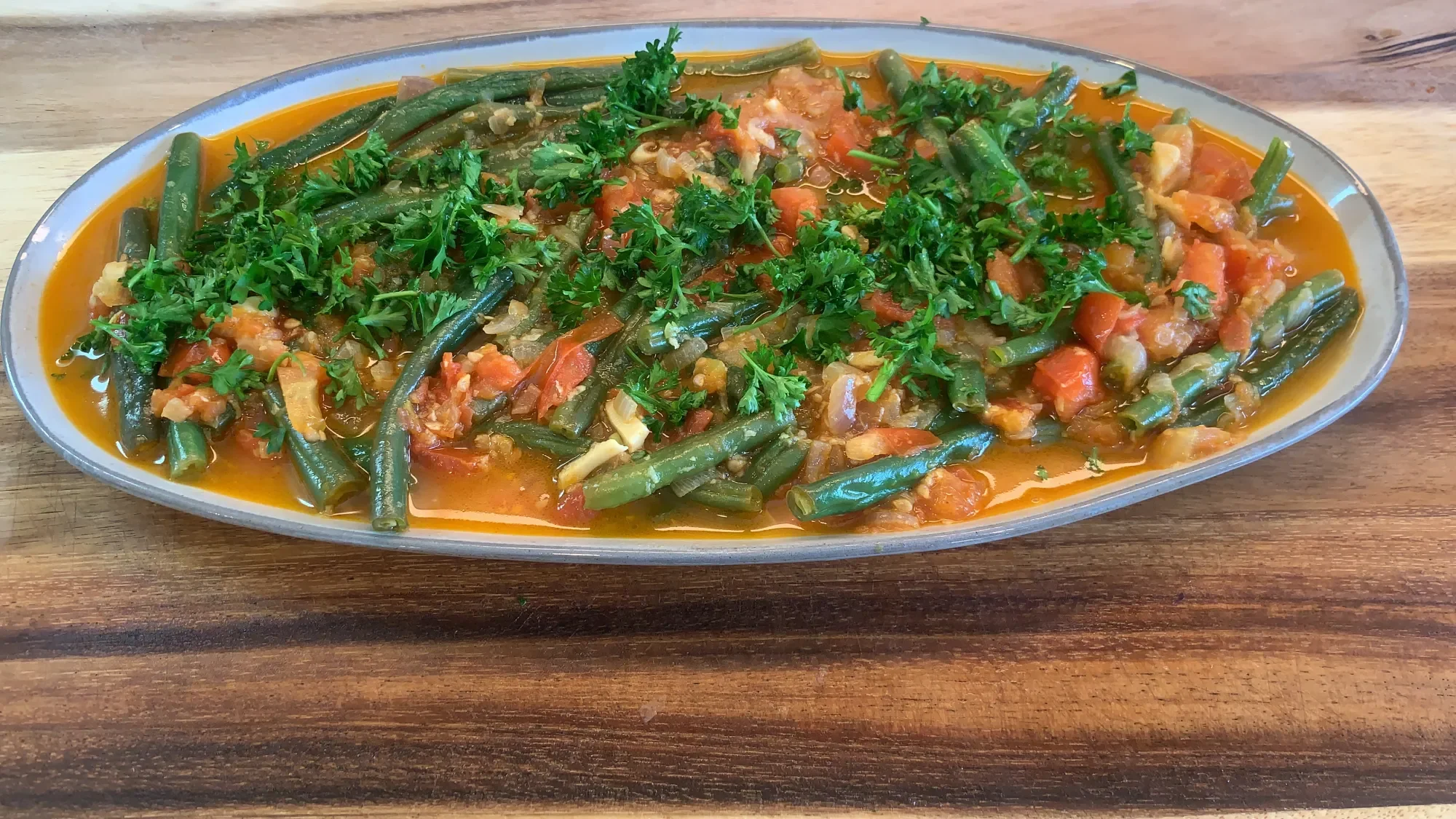
How to Make Moroccan Spicy Green Beans
I've seen green beans in tomatoes in many different cuisines so I don't immediately think of these are being Moroccan, but I have to admit, while I enjoy eating this one, I have never made it before or any variation of it!
-
![]()
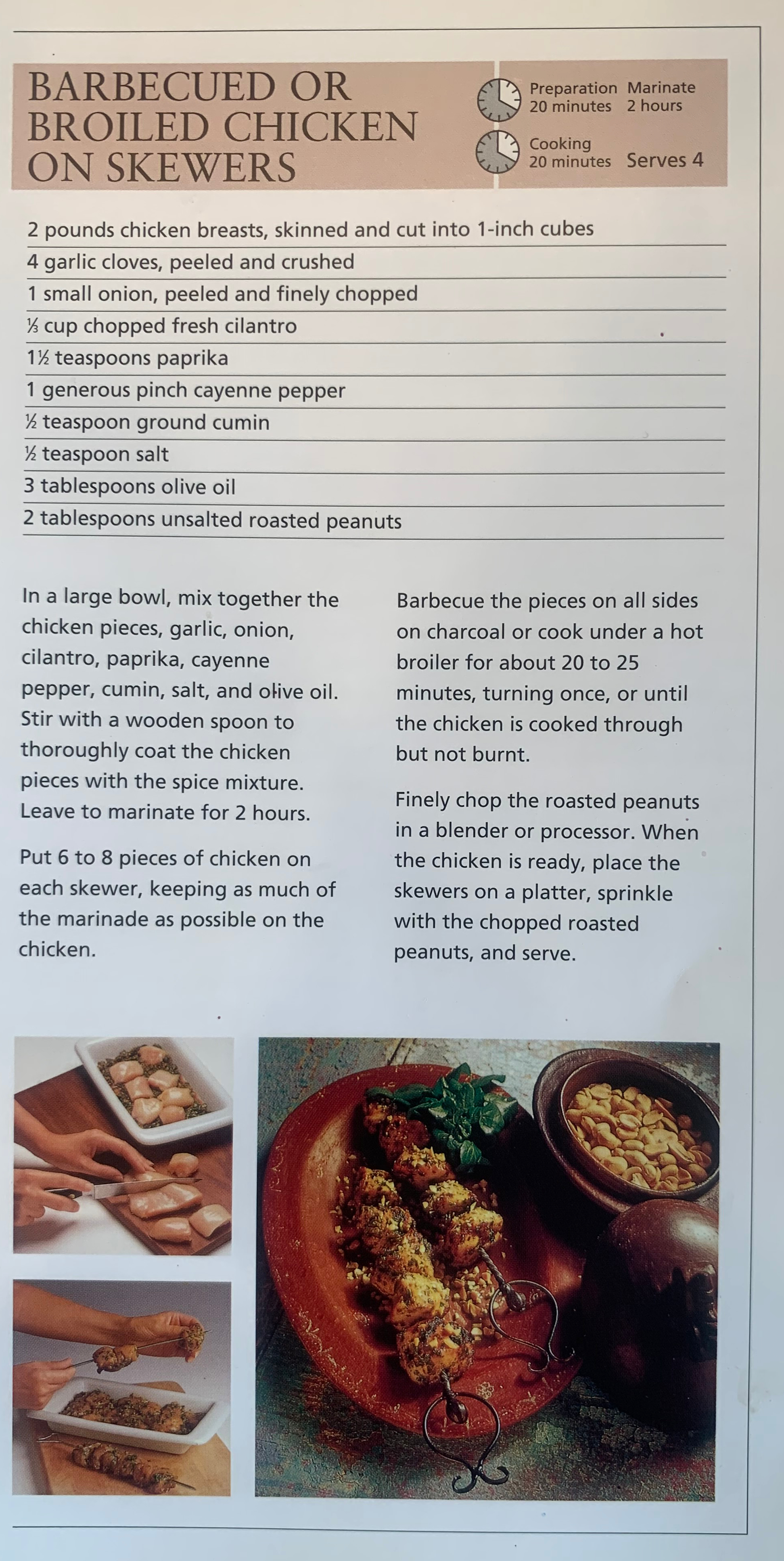
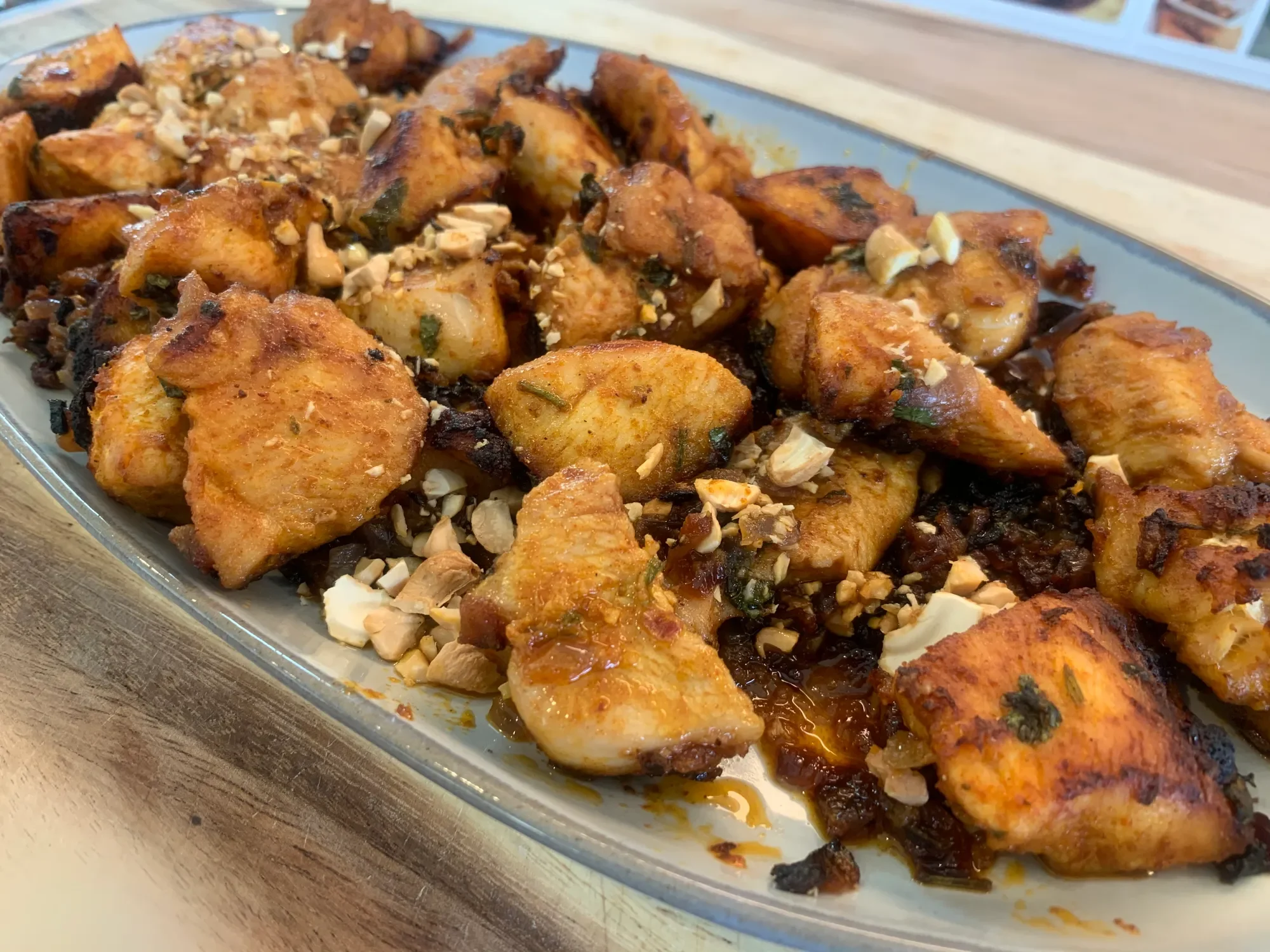
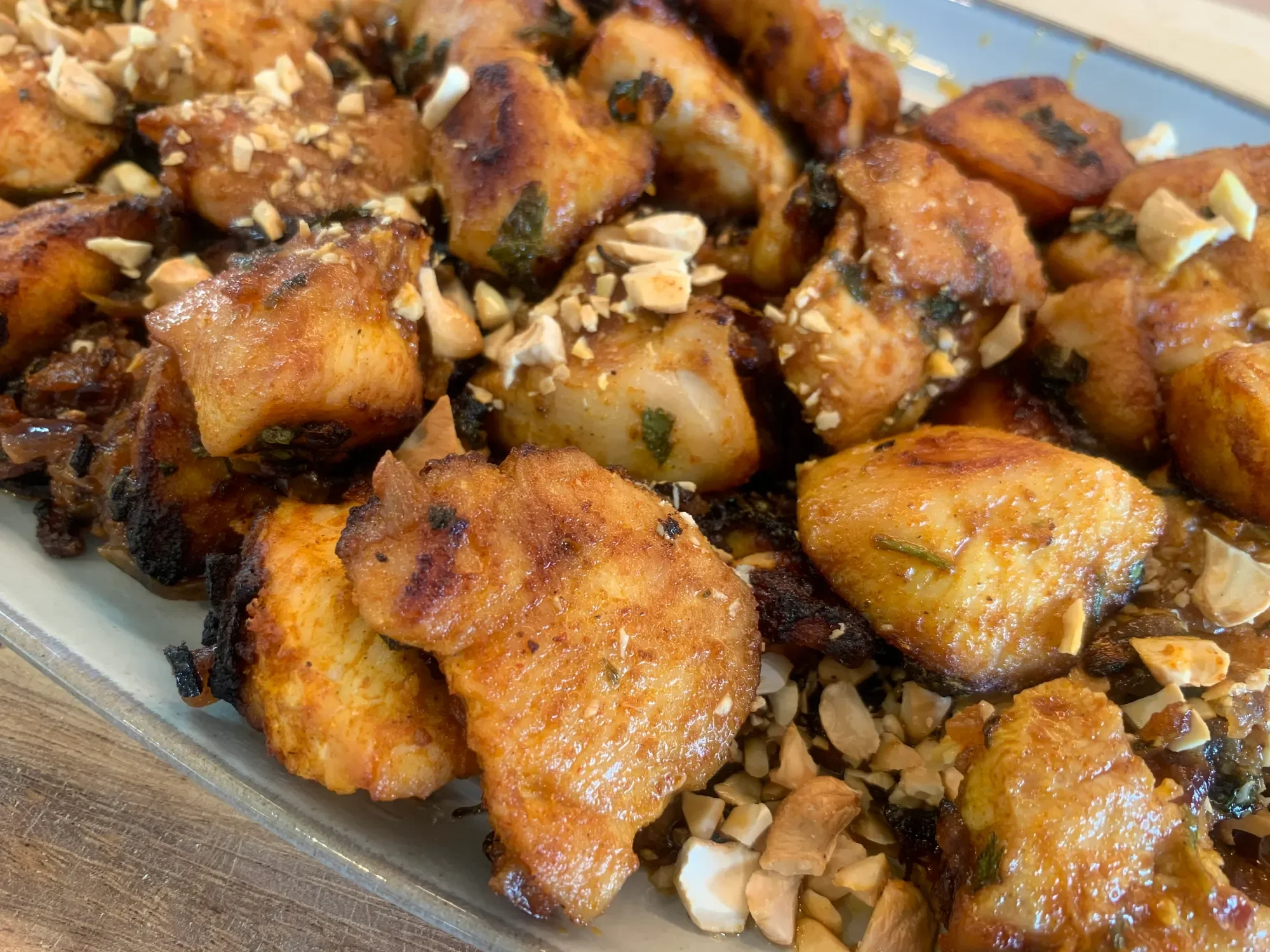
How to Make BBQ Moroccan Chicken in the Oven
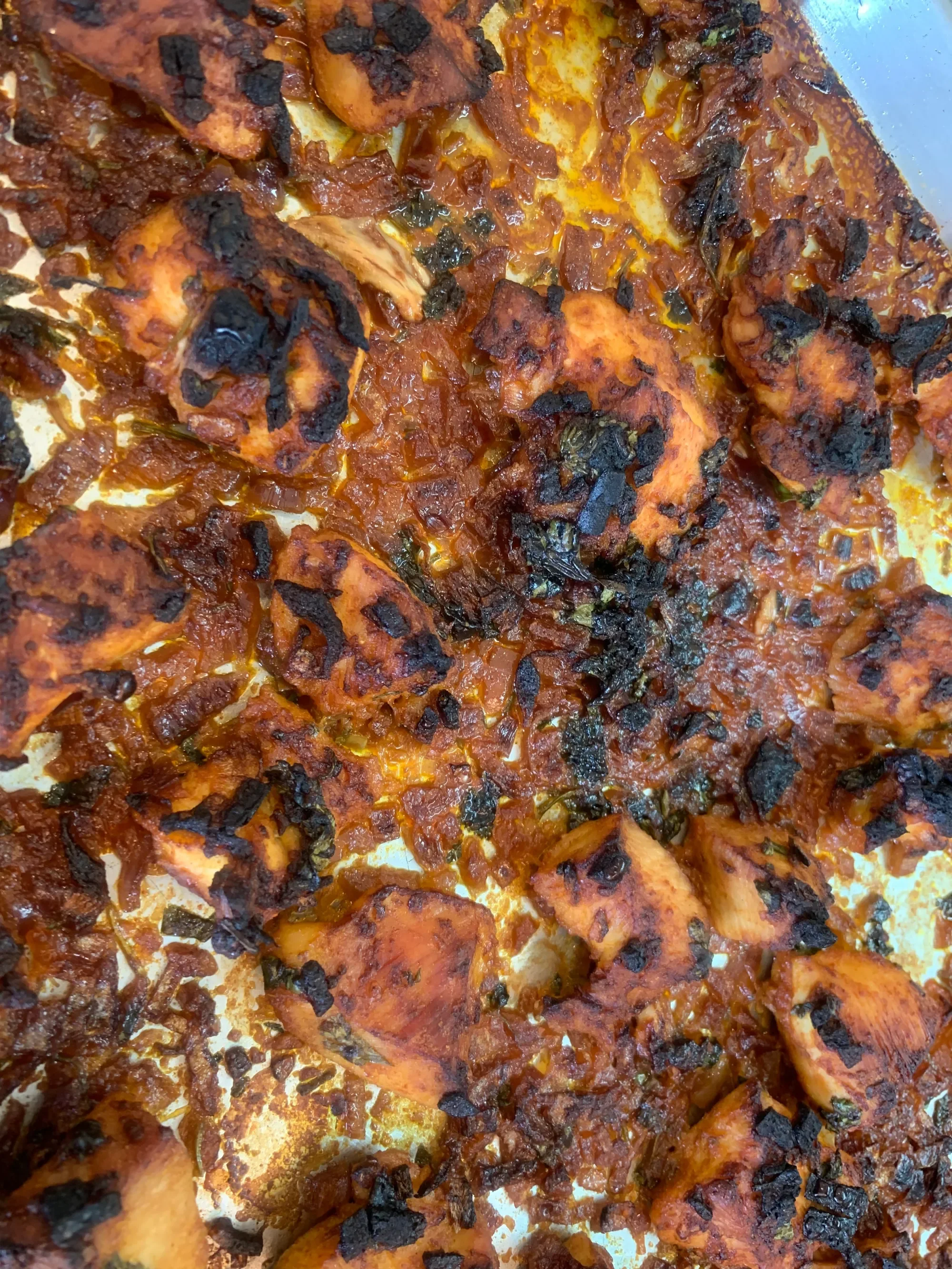
I'm still kicking myself for overcooking this recipe. Just five minutes less and it would have been just right. So my first tip is mind the grill or oven when you are making this. I opted to broil the chicken in the oven rather than grill them or barbeque them. I was a little rushed so I also decided not to skewer them.
-
![]()
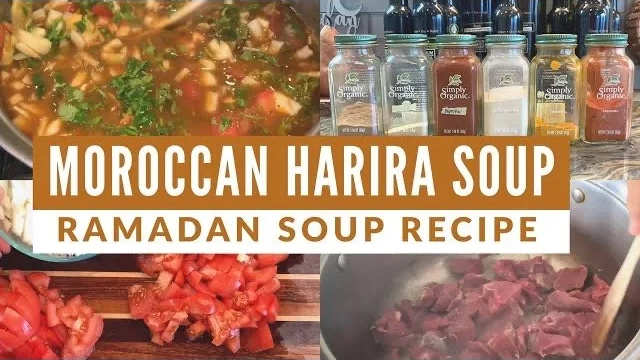
How To Make Moroccan Harira Soup
This Moroccan soup became an instant favorite for my family and friends. I highly recommend you give it a try. It's an easy recipe that's harty, filling, nutritious, and delicious. You can serve it as an appetizer or as the main meal; we've done both.
-
![]()
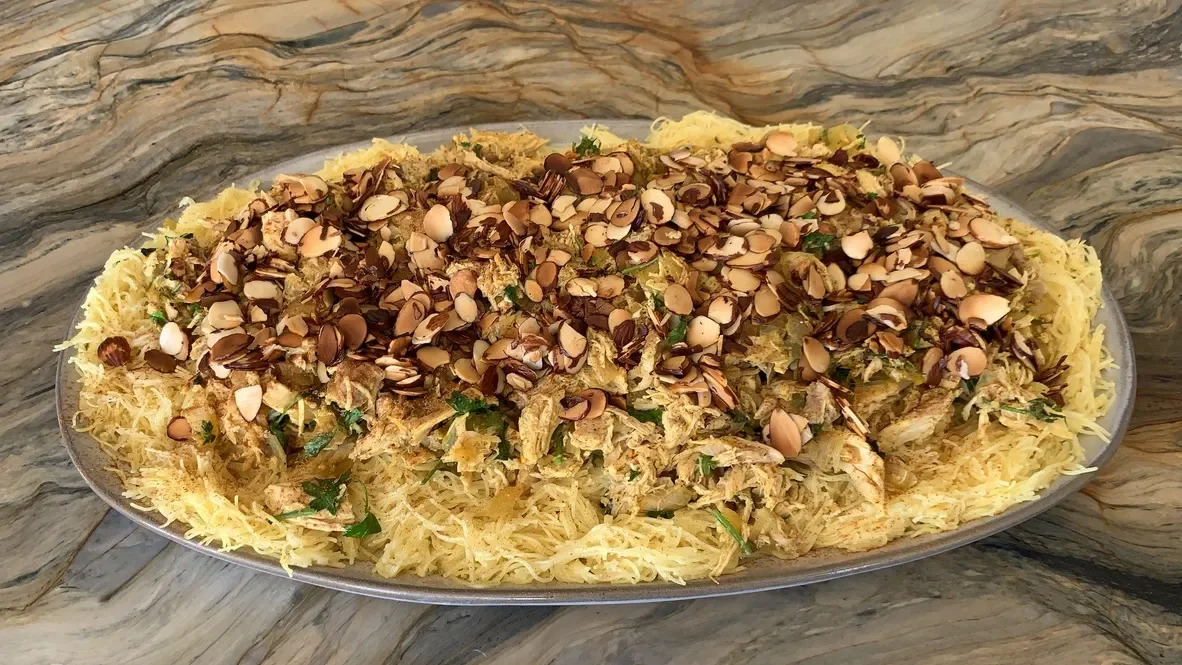
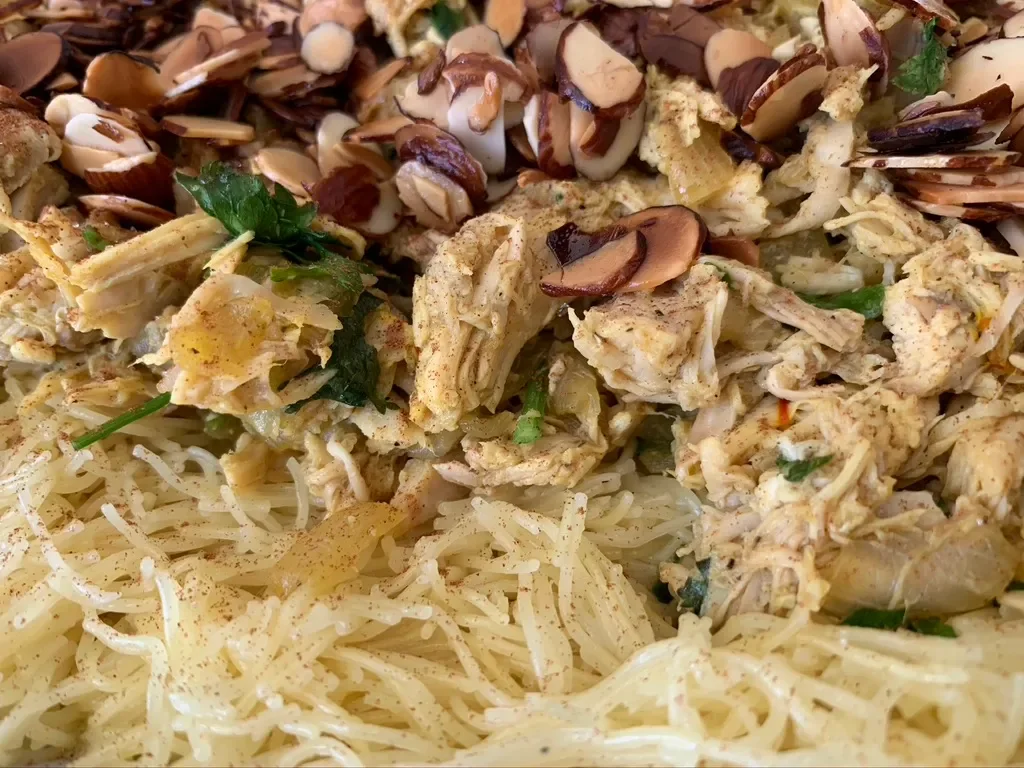
How to Make Buried Vermicelli | Moroccan Recipe
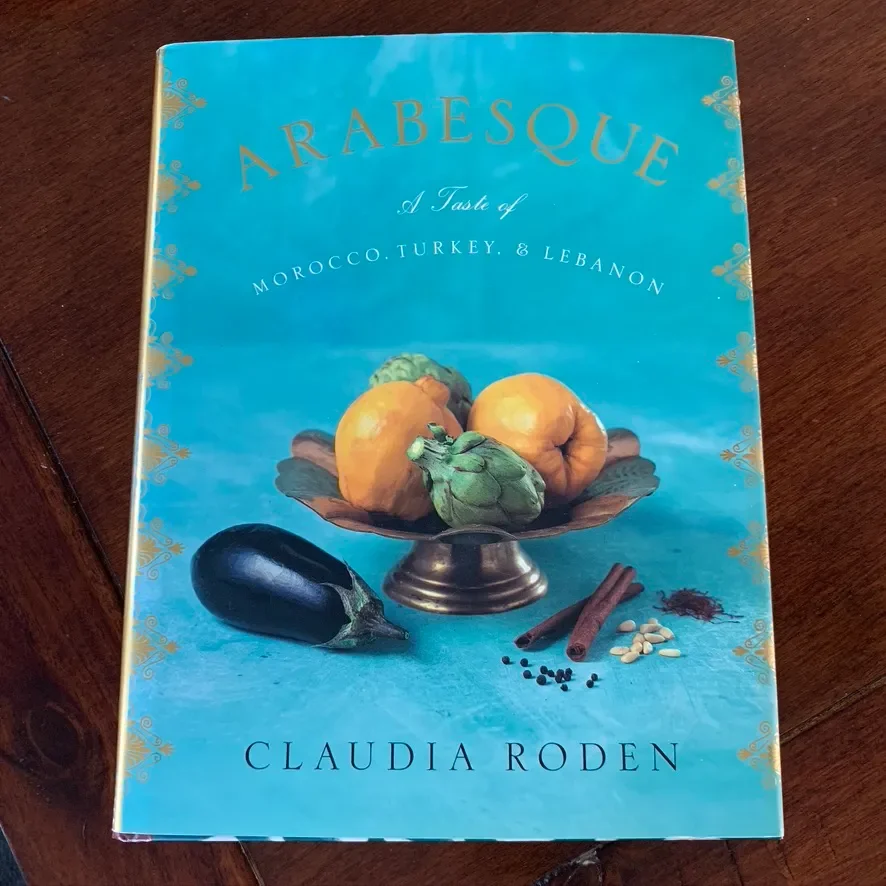
This recipe, Buried Vermicelli, is from the book Arabesque A Taste of Morocco, Turkey and Lebanon by Claudia Roden. I loved this recipe!! It's than the Moroccan food I typically make so I was excited to explore pairing orange water with cinnamon and sugar for a slightly sweet take on a pasta and chicken dish.
-
![]()
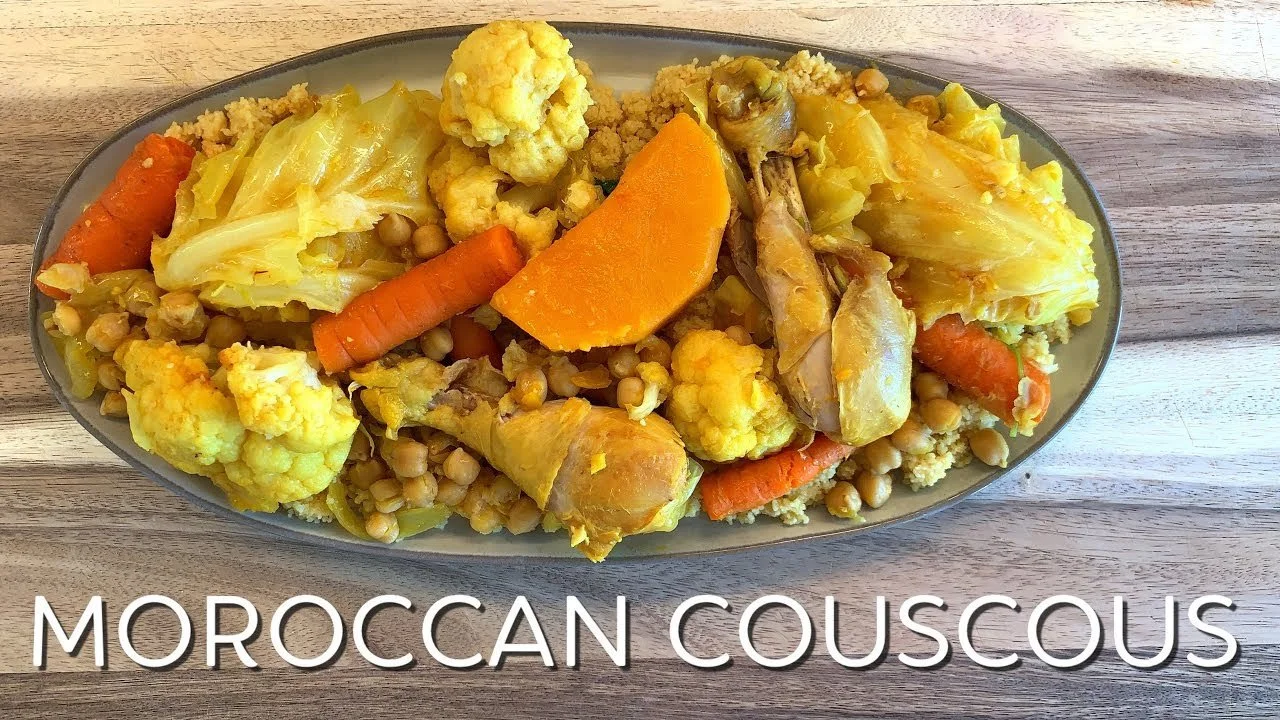
Moroccan Couscous
This is one of my favorite recipes of all time! It's so warming, nourishing and healthy; it's perfect for cool autumn days or for a cozy dinner with friends. I have my dear friend, Laura, and her husband to thank for sharing this recipe for me.
-
![]()
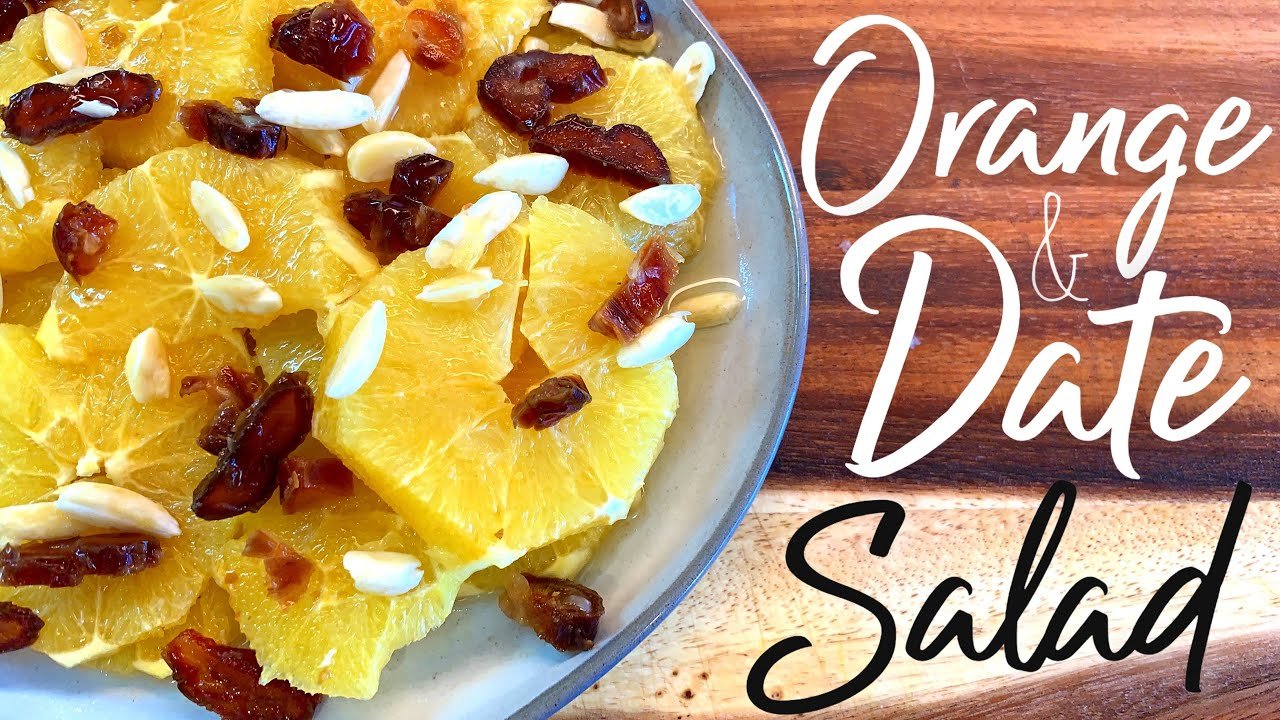
Orange and Date Salad
What a great way to end (or start) a meal than with sweet seasonal oranges garnished with dates and blanched almonds with a drizzle of lemon. The key to the success of this recipe is sweet seasonal oranges! We live in Southern California and our oranges are delicious!
-
![]()
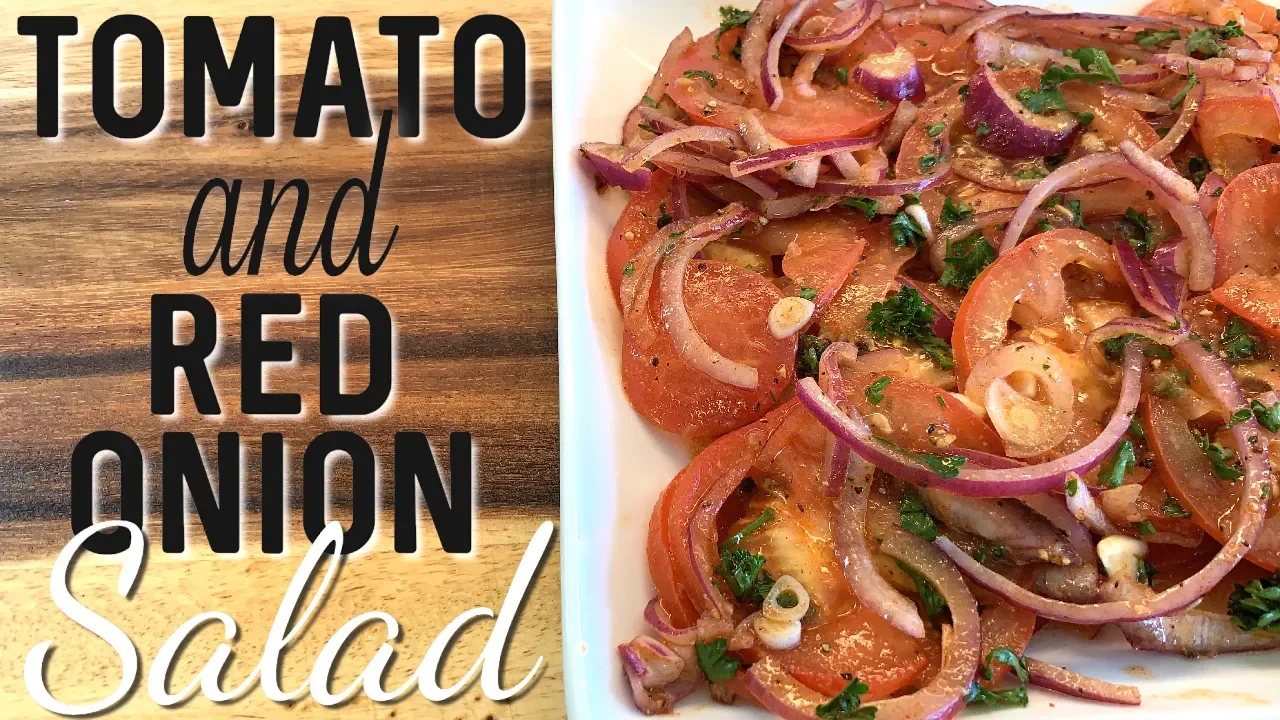
Moroccan Tomato and Red Onion salad
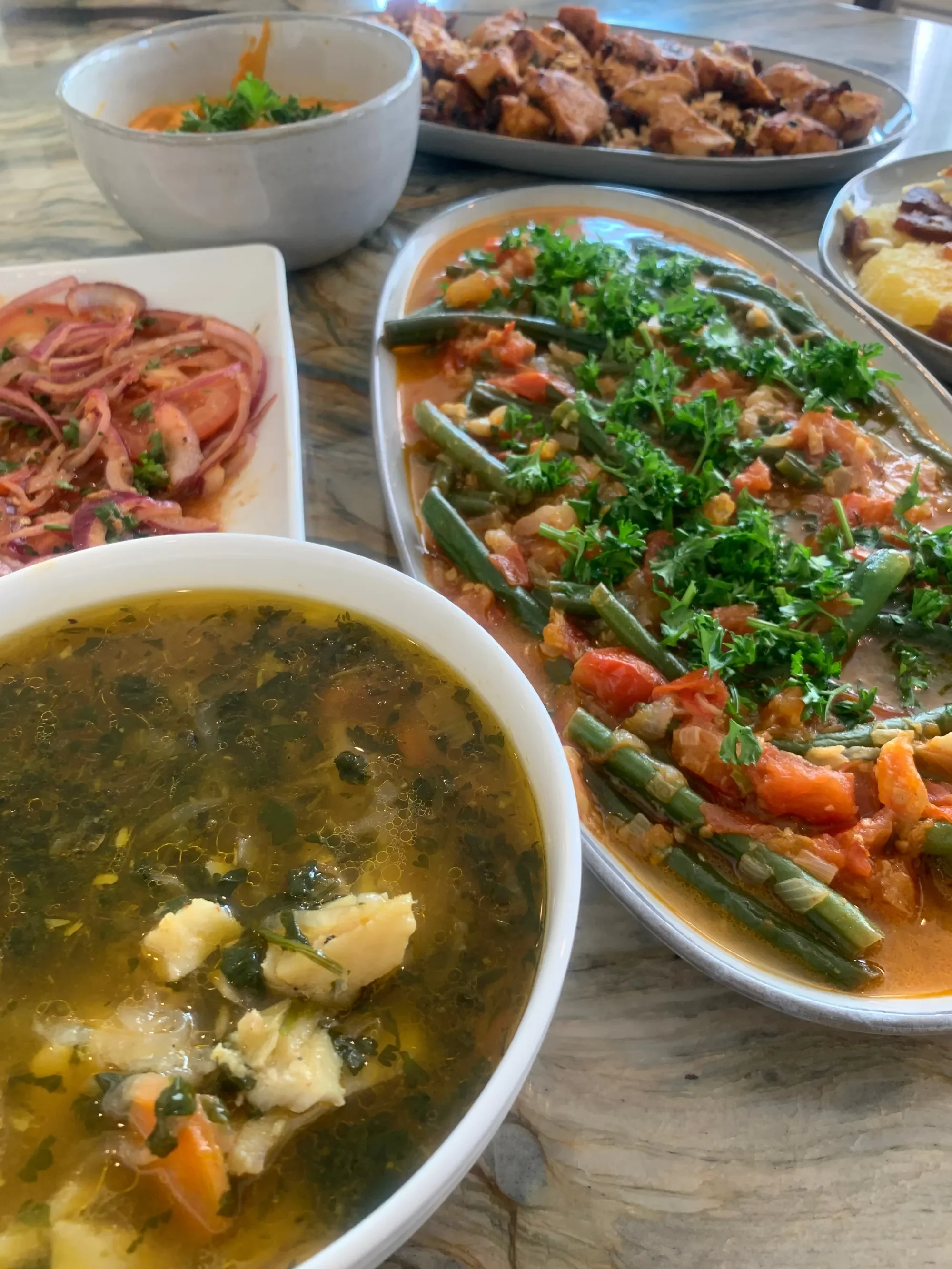
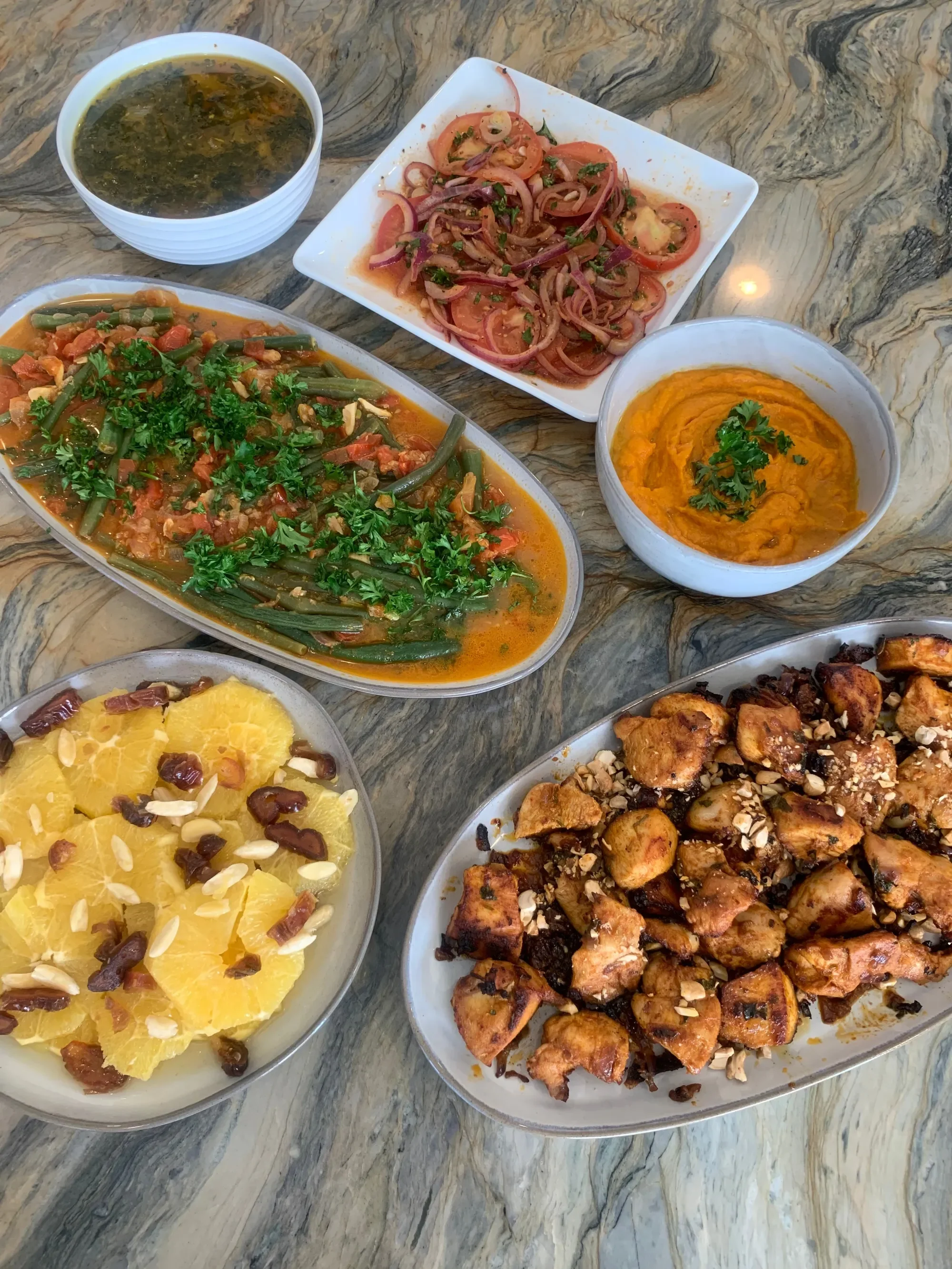
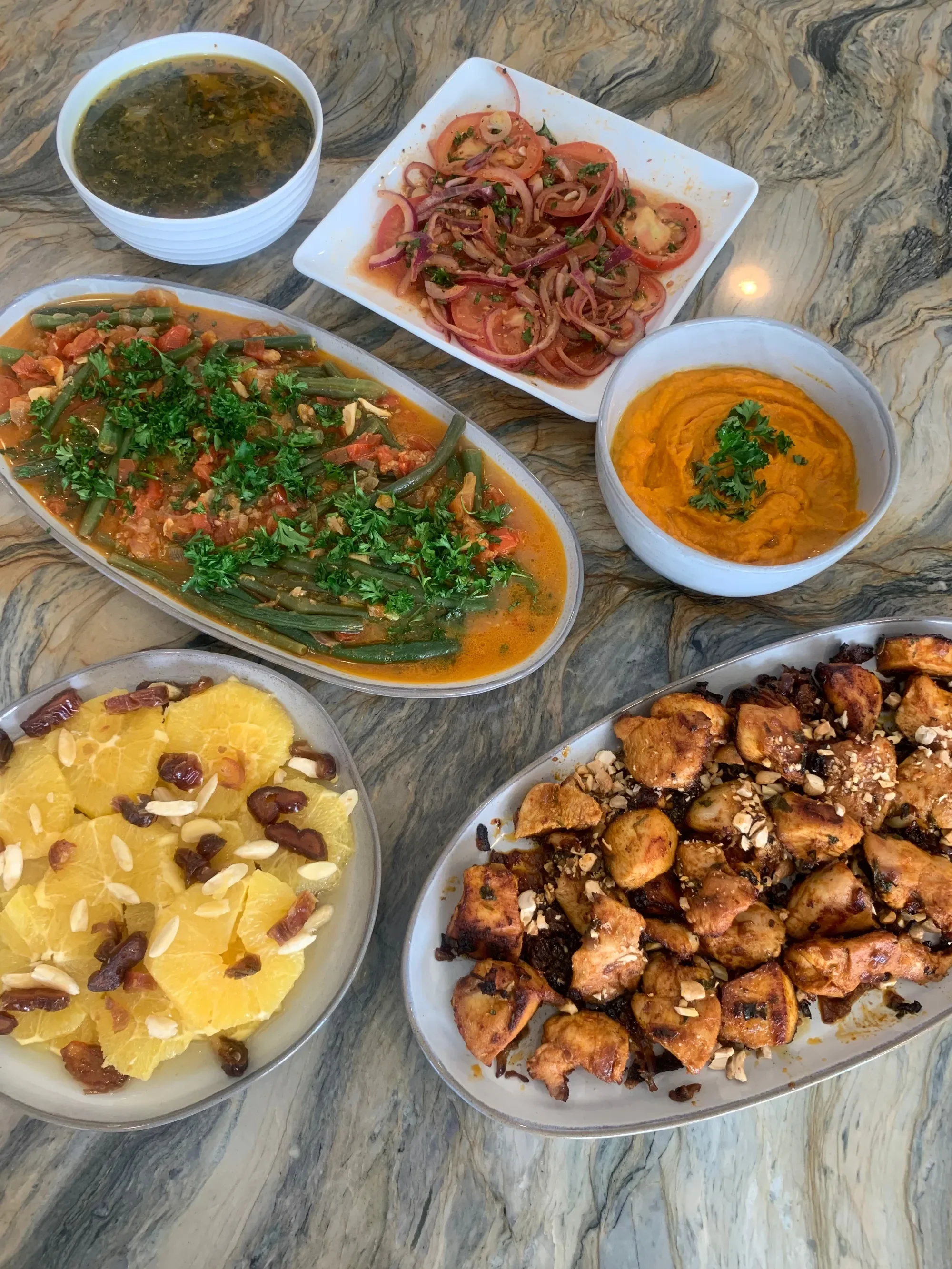
I love a good salad, and while I prefer more in my salad than just tomatoes and red onions, this Moroccan salad makes the ideal side dish to a main entree. I paired it with BBQ chicken and spicy green beans. This side dish was part of a mini Moroccan feast we made for our lessons on Ibn Battuta and North Africa.
-
![]()
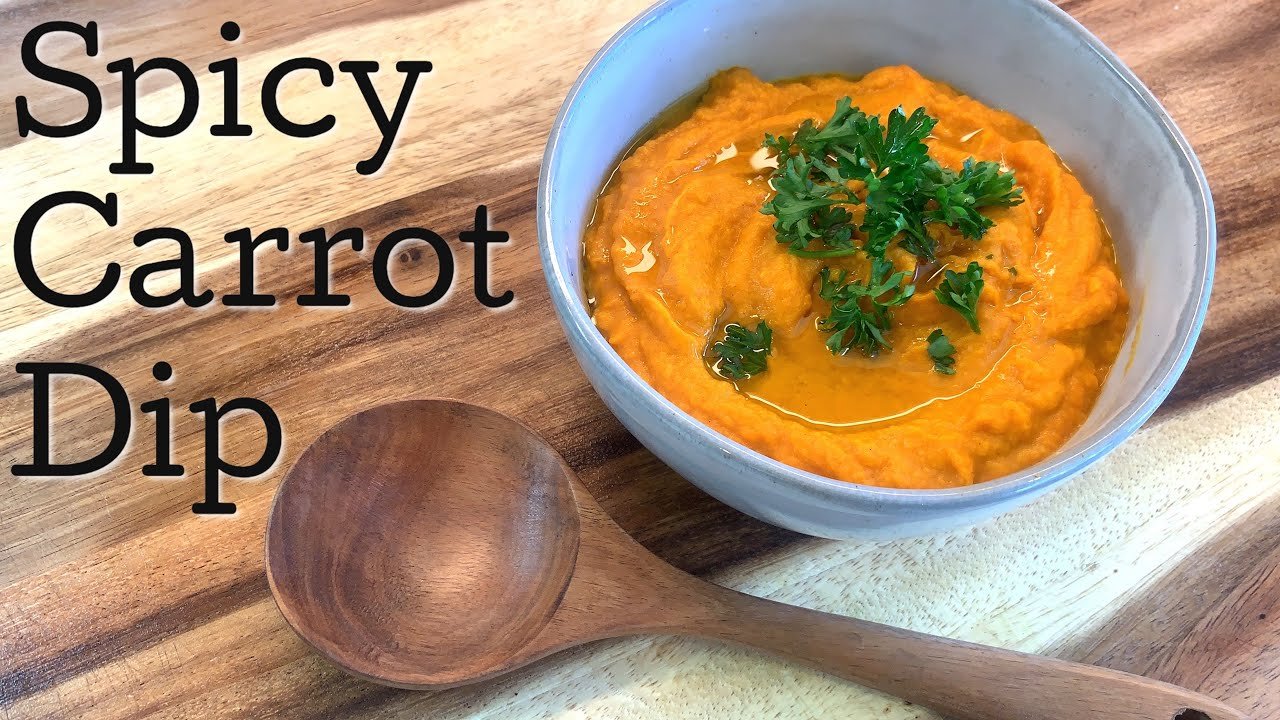
Spicy Moroccan Carrot Dip
We often head to the kitchen when doing our homeschool unit studies as this adds flavor to our lessons. Sometimes we simply cook a single recipe, other times, like today, we cook up a whole feast! But this was mini feast and included dishes you might not immediate think of as Moroccan. When I think of Moroccan food, I think of tagine, couscous and harira.
-
![]()
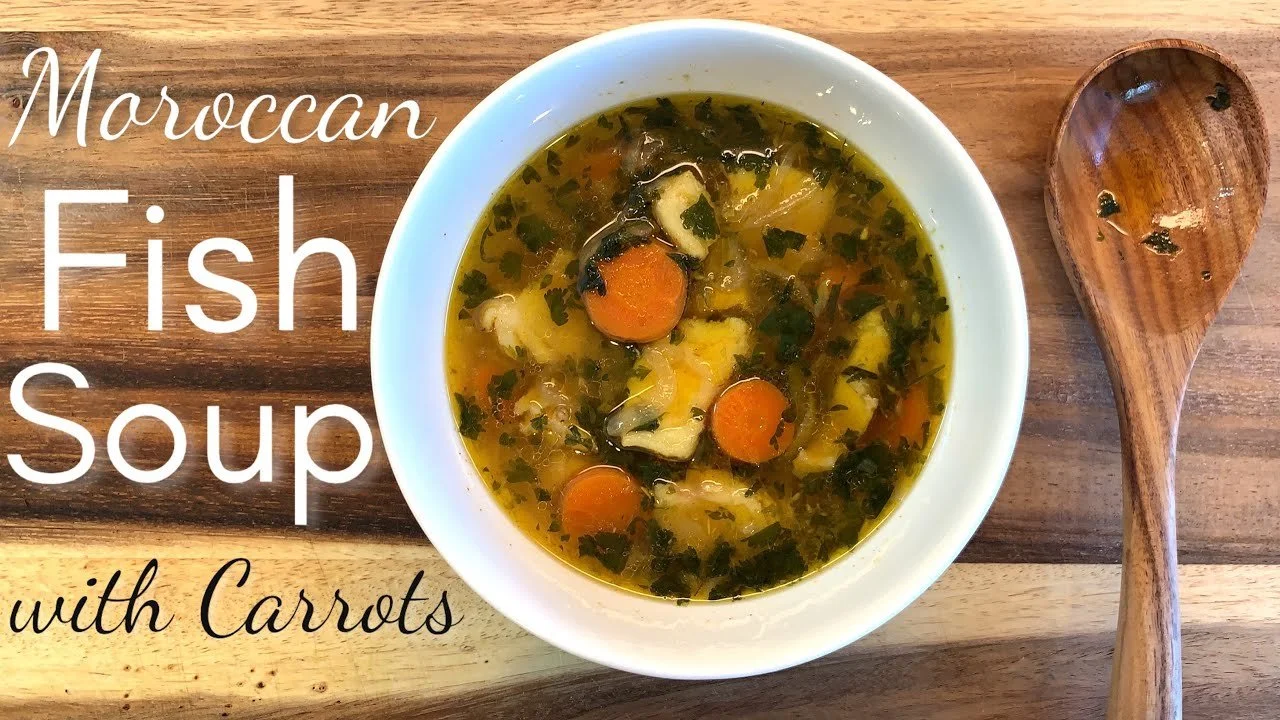
Moroccan Fish Soup
We almost always cut our recipes in half when we are trying something new. That way we can explore new cuisine without worrying if we are going to waste anything if we don't like it. For this recipe, that was a mistake!! As soon as I was done making it, and we started sampling it, it was nearly gone before I had completed the rest of the meal. I hustled to defrost more Alaska cod, and my 14-year-old son helped chop the ingredients we needed for this simple, yet wholesome, warming and delicious soup.



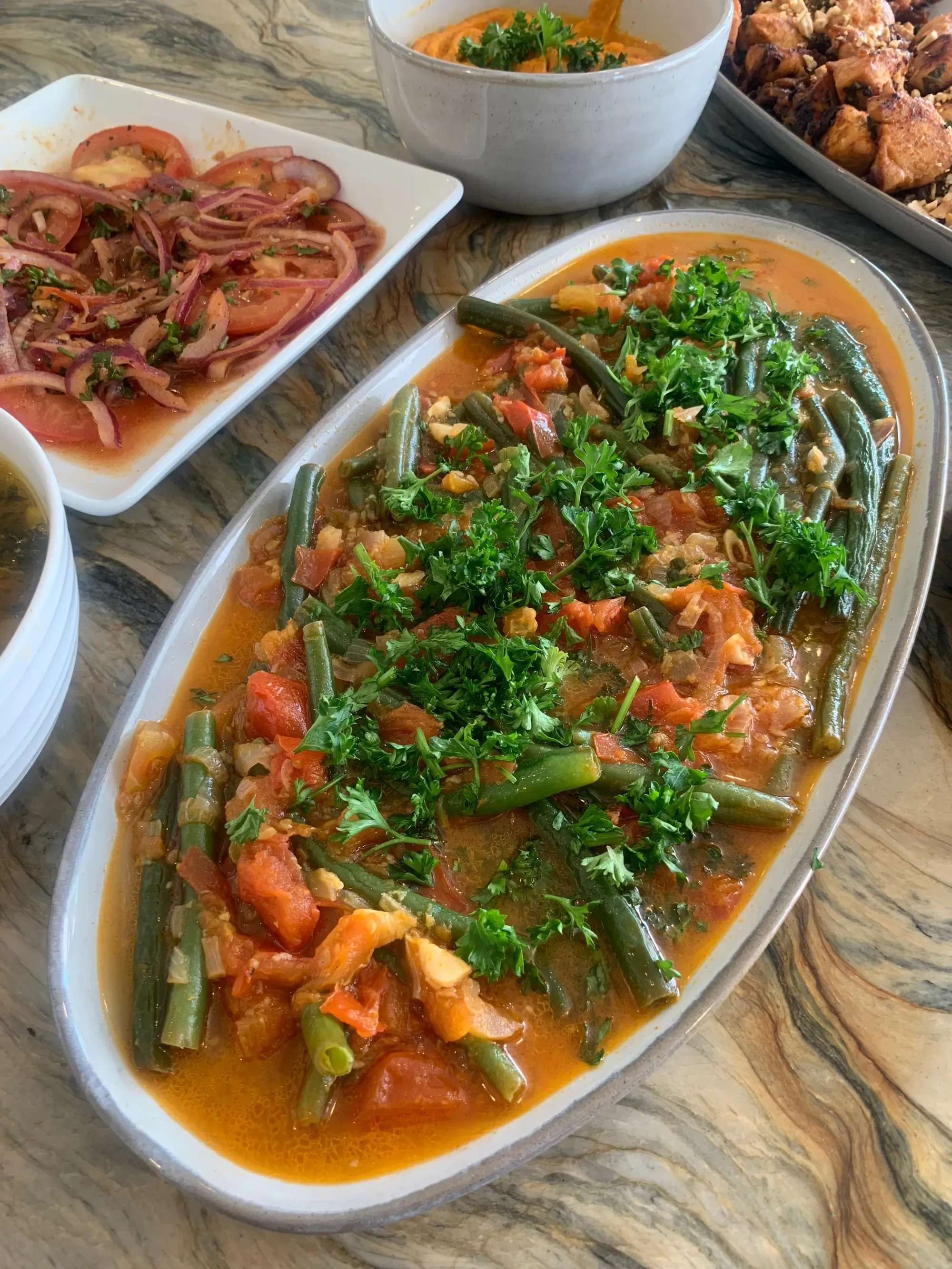
How to Make Moroccan Spicy Green Beans
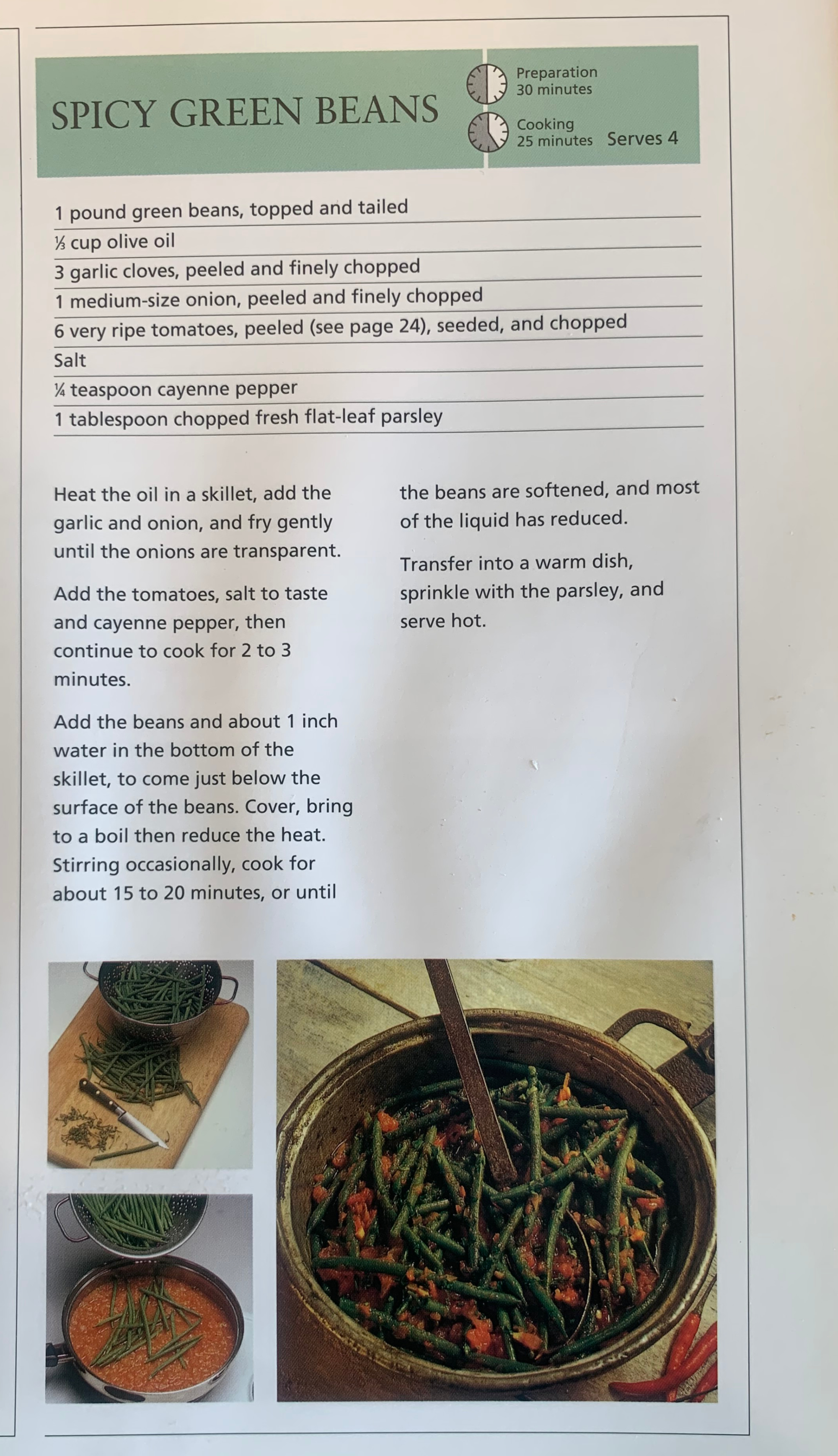
I’ve seen green beans in tomatoes in many different cuisines so I don’t immediately think of these are being Moroccan, but I have to admit, while I enjoy eating this one, I have never made it before or any variation of it! We don’t eat a lot of green beans and when we do, it’s simply grilled with olive oil and seasoned with salt and pepper. After making this, I’ll definitely be adding this as a side to some of our other meals and since we cook a lot of Indian food, I can see myself adding more Indian spices as well. Here are my tips for this recipe. Don’t overcook the beans. I made that mistake and they were too soft by the time I plated them. Also, mind how much liquid you add. I substituted homemade chicken bone broth for water and I love the additional flavor that gave this dish. But, I added too much! Go easy on the liquid as the tomatoes give off a lot of liquid, especially if you leave the seeds in.
How to Make BBQ Moroccan Chicken in the Oven
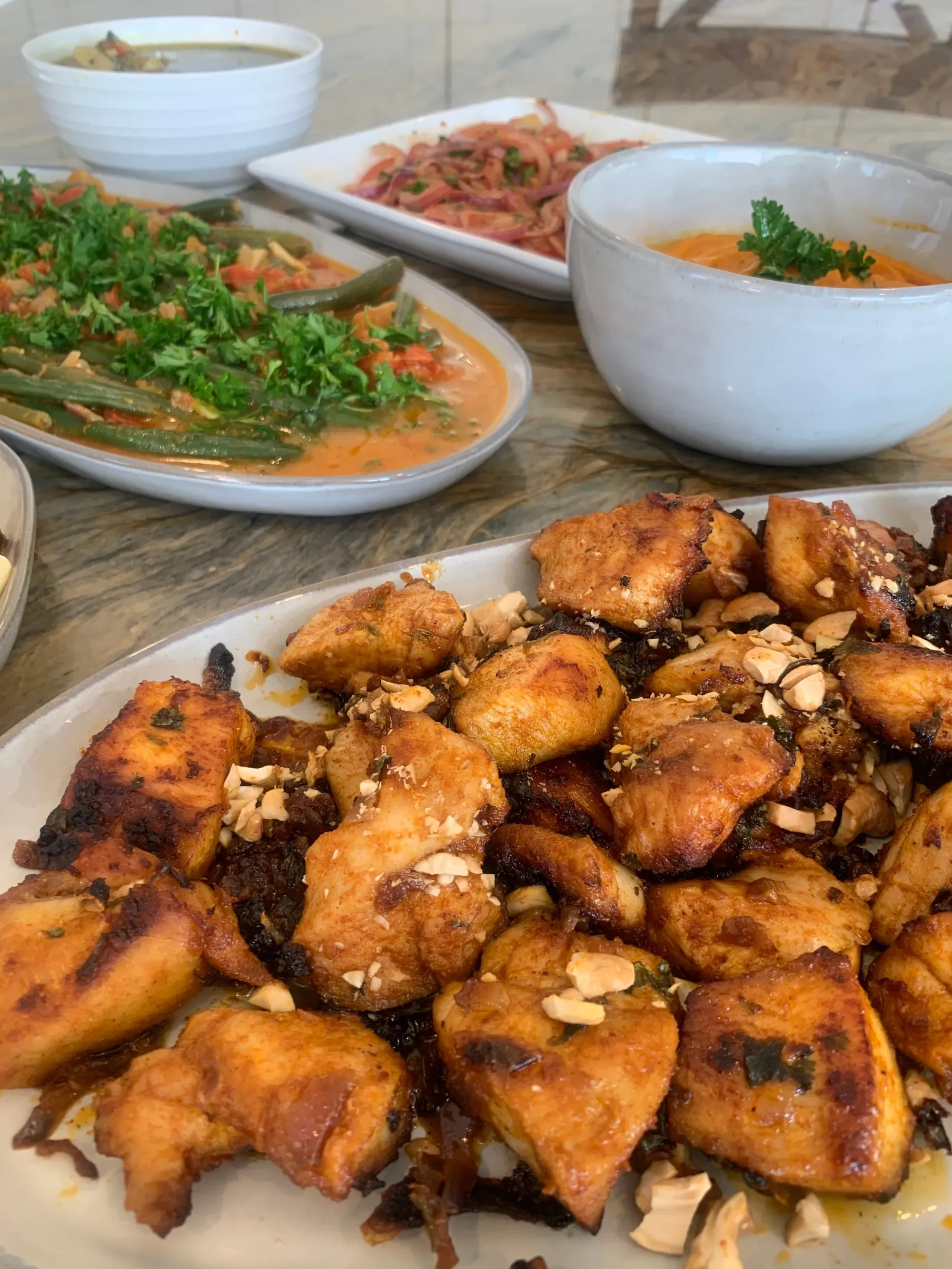
I’m still kicking myself for overcooking this recipe. Just five minutes less and it would have been just right. So my first tip is mind the grill or oven when you are making this. I opted to broil the chicken in the oven rather than grill them or barbeque them. I was a little rushed so I also decided not to skewer them. I actually like that a lot better because it allows all the yummy marinade to get baked with the chicken. It also saves time since you don’t have to skewer them, and it also produces less waste. While we do have metal skewers, I often use bamboo skewers. I always end up with a splinter or two. Also, since we have children (though now they are nearly all grown), I find skipping the skewers means that children will just take what they need rather than a whole skewer. I also had run out of brown onions so I used a red onion which was a delicious substitution. I hope you try this recipe along with some of the sides we made for our mini Moroccan feast.
How To Make Moroccan Harira Soup
Check out my version of this traditional Moroccan recipe
This Moroccan soup became an instant favorite for my family and friends. I highly recommend you give it a try. It’s an easy recipe that’s harty, filling, nutritious, and delicious. You can serve it as an appetizer or as the main meal; we’ve done both. While it does take some time to prep and cook, you can easily make a big pot of this for company, or have plenty for leftovers to eat for a few days.
My friend, Laura, who is married to a Moroccan, shared this recipe on Facebook at the start of Ramadan 2019, and I immediately added all the ingredients to our shopping list for that week and made it straightaway! I’m thrilled I did because it became the “Soup of Ramadan” for this year. The “Soup of Ramadan 2018” was a tomato soup that my friend, Megan, made. Yes, my friends are awesome 😉
I’m happy to keep this recipe going throughout the year with our Ibn Battuta unit study. While I’ve made some changes to the recipe, it’s also possible that Harira soup is a modern day recipe inspired by some dishes that were common during the 1200s in North Africa.
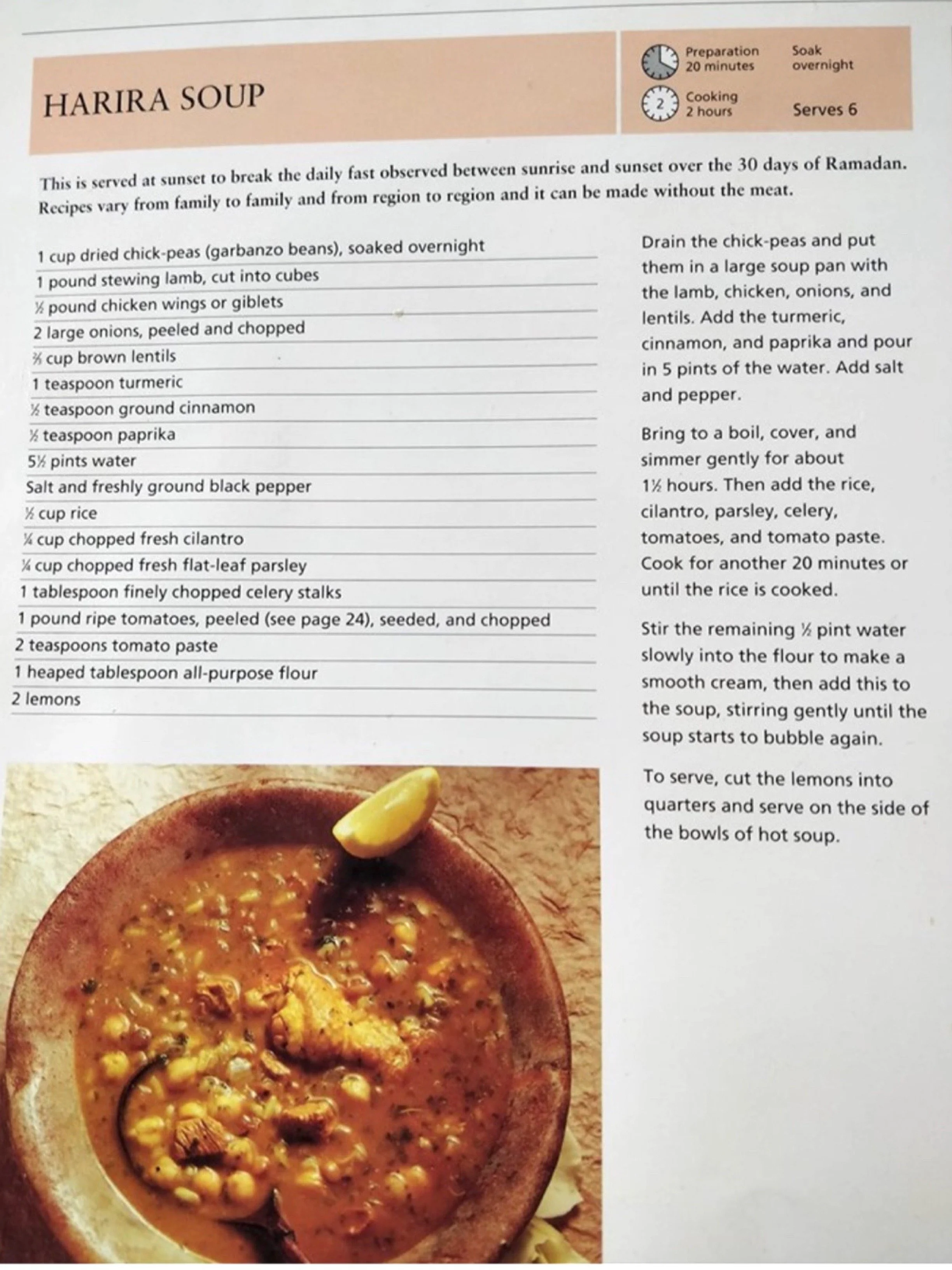
Here’s the original recipe.
The original recipe can be found in the book Recipes from Morocco by Sufo
Here’s my version of the recipe which probably tastes just as good. And the thing is, you can add or remove ingredients depending on what you have and I think you’ll still end up with a rich tasting recipe.
Ingredients (serves 10 for a main meal 20 as an appetizer):
1-2 pounds of lamb stew or 5 pounds lamb shoulder
4-6 chicken wings
2-4 diced onions
2-4 diced tomatoes
1-2 cups of green lentils
3-4 cups of garbanzo beans (1-2 cups if they are dry)
handful of flat leaf parsley
handful of cilantro
optional: serrano pepper
up to 1 can of tomato paste (6oz)
4 cloves of crushed garlic
10-14 cups of water
salt and pepper to taste
2 teaspoons paprika
2 teaspoons turmeric
1 teaspoon cinnamon
1 teaspoon cayenne (optional)
1 teaspoon onion powder (optional)
1 teaspoon garlic powder (optional)
1 teaspoon cumin (optional)
2 cups egg noodle (very fine or tiny pieces)
olive oil
Heat 4 cups of water in a small pan. Brown lamb in olive oil with chicken wings and 2 onions in a large soup pot. Once browned, add spices, tomato paste (or can be added at the end), 2 tomatoes and spices. Add more water if the meat isn’t covered. Bring to a boil then reduce to a simmer and cook for 1-2 hours until the meat is soft but not quite done. Once the meat is soft, but not falling apart, remove chicken wings (they cook faster). Add 2 tomatoes, 2 onions, cilantro and flat leaf parsley, and lentils. Cook for 10 minutes. Add egg noodles and cook a remaining 10 minutes. Add serrano pepper at any part of the cooking process depending on how spicy you like it. Meanwhile, remove the chicken from the wings and return to the pot. Serve hot! It’s soooo good!!
Instant Pot variation: Brown lamb shoulder in the Instant Pot (or on the stove in a larger pot, my meat couldn’t brown well in the Instant Pot) with chicken wings and 2 onions. Add 4 cups of water, spices, tomato paste, 2 onions, 2 tomatoes and soaked garbanzo beans. Cook for 30 minutes on high pressure. Remove meat and chicken when done and remove all the meat from the chicken and lamb. Keep the liquid in the pot and add lentils, egg noodles, 2 more onions, 2 more tomatoes, cilantro and flat leaf parsley. Cook again for 5 minutes. Add meat back into the instant pot and serve hot. Optional: add lemon before serving.
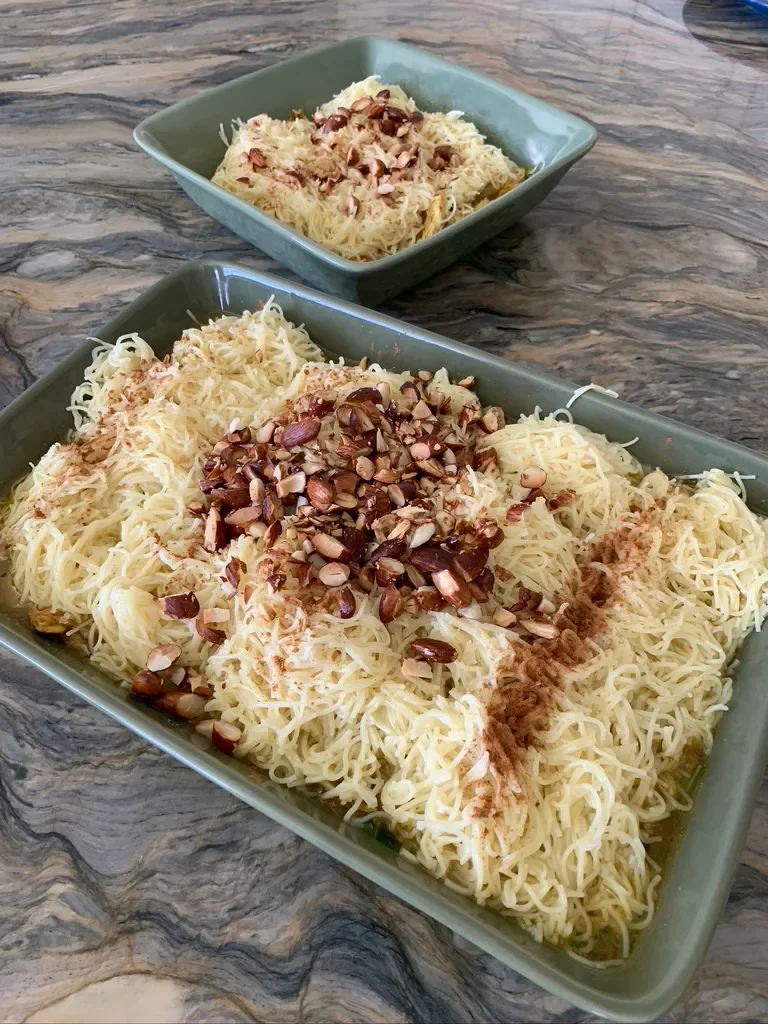
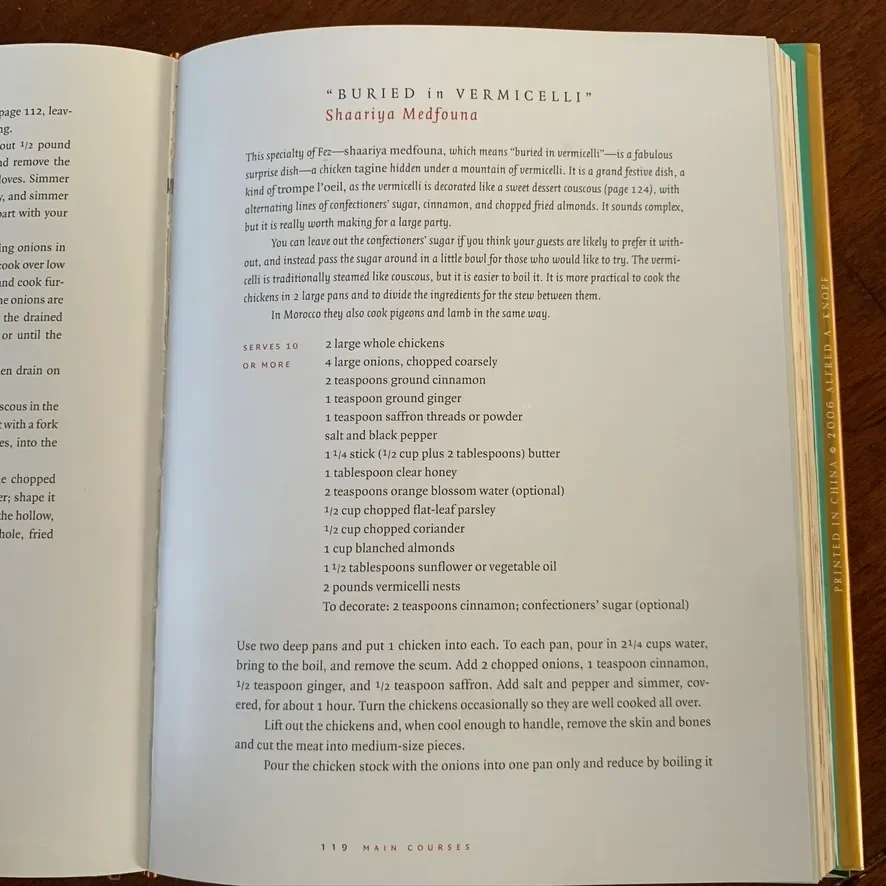
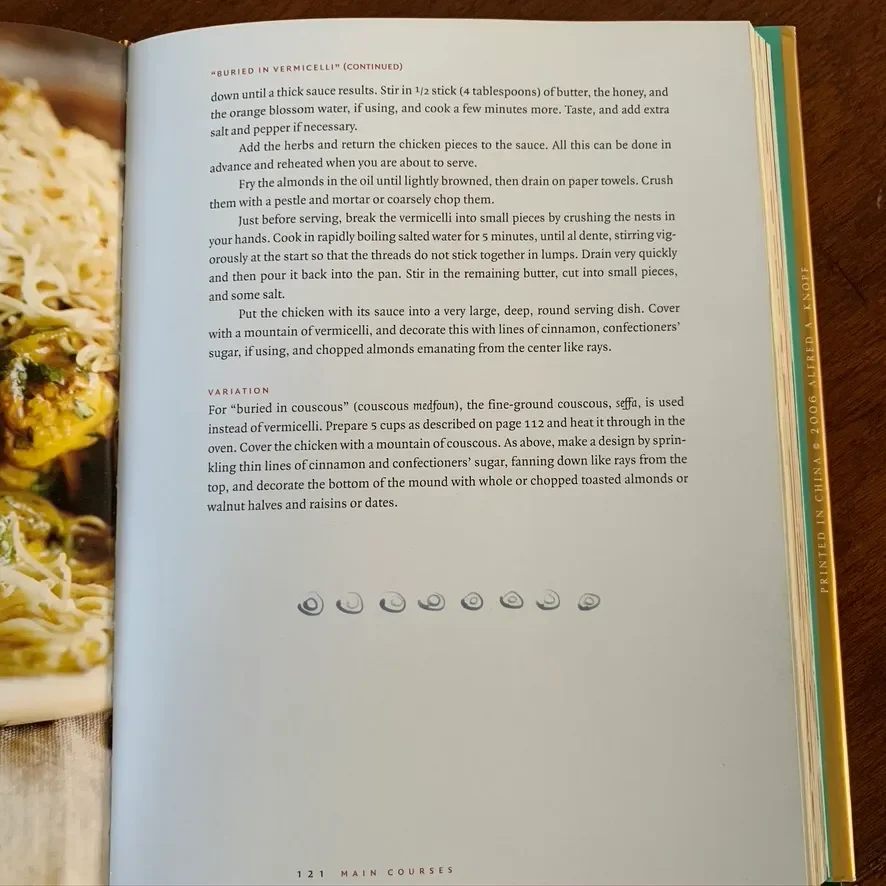
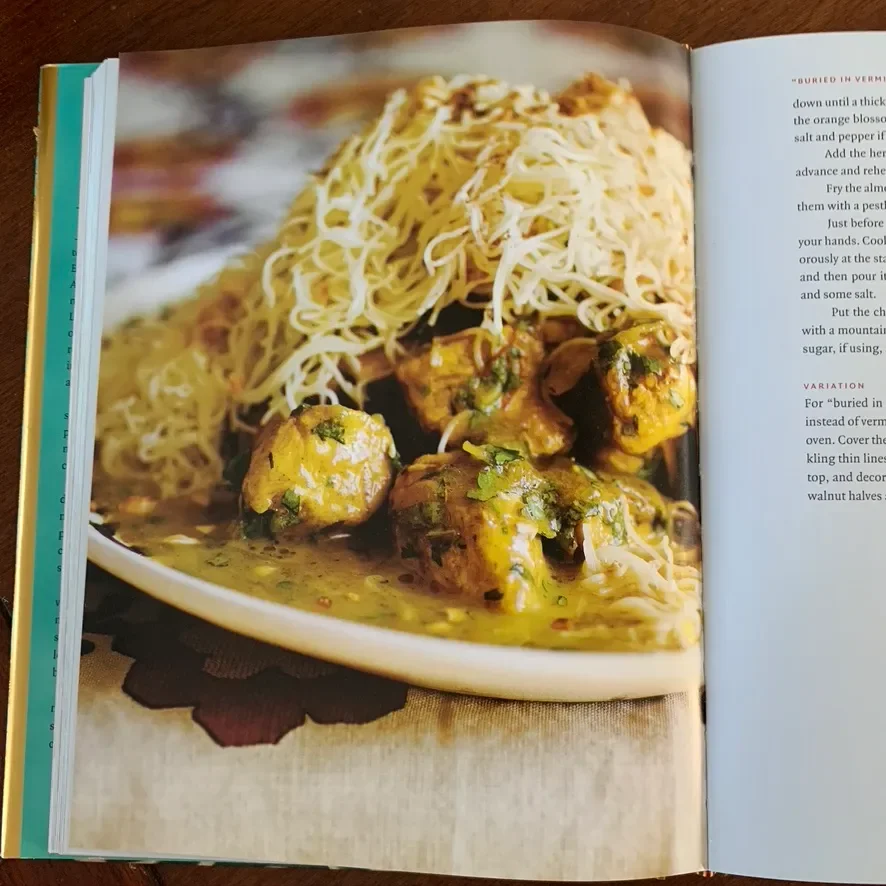
How to Make Buried Vermicelli | Moroccan Recipe
This recipe, Buried Vermicelli, is from the book Arabesque A Taste of Morocco, Turkey and Lebanon by Claudia Roden. I loved this recipe!! It’s than the Moroccan food I typically make so I was excited to explore pairing orange water with cinnamon and sugar for a slightly sweet take on a pasta and chicken dish. We love adding regional recipes to homeschool unit studies and often, we end up with new family favorites. What distinguishes this recipe from others are the cinnamon and orange water, the sweetness of this otherwise savory dish and the chicken broth and onions that are boiled down for a rich sauce. Overall this recipe is amazing, however, a sweet & savory dish isn’t for everyone. You may need to balance this recipe with a salty savory appetizer or skip dessert!
Moroccan Couscous
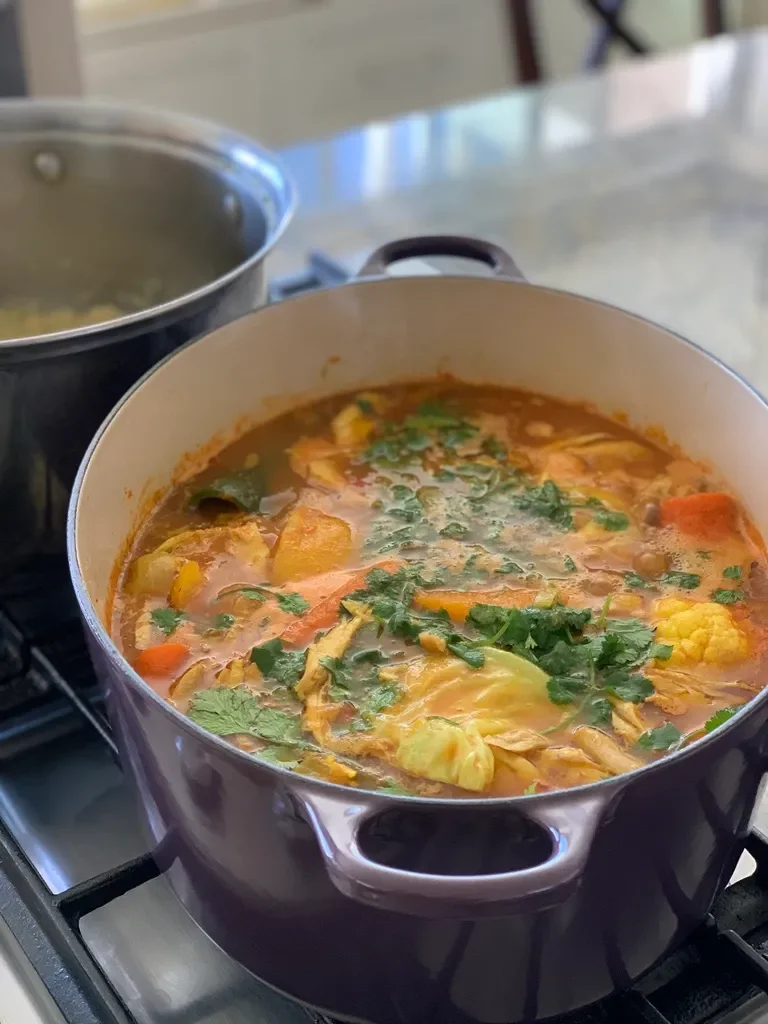
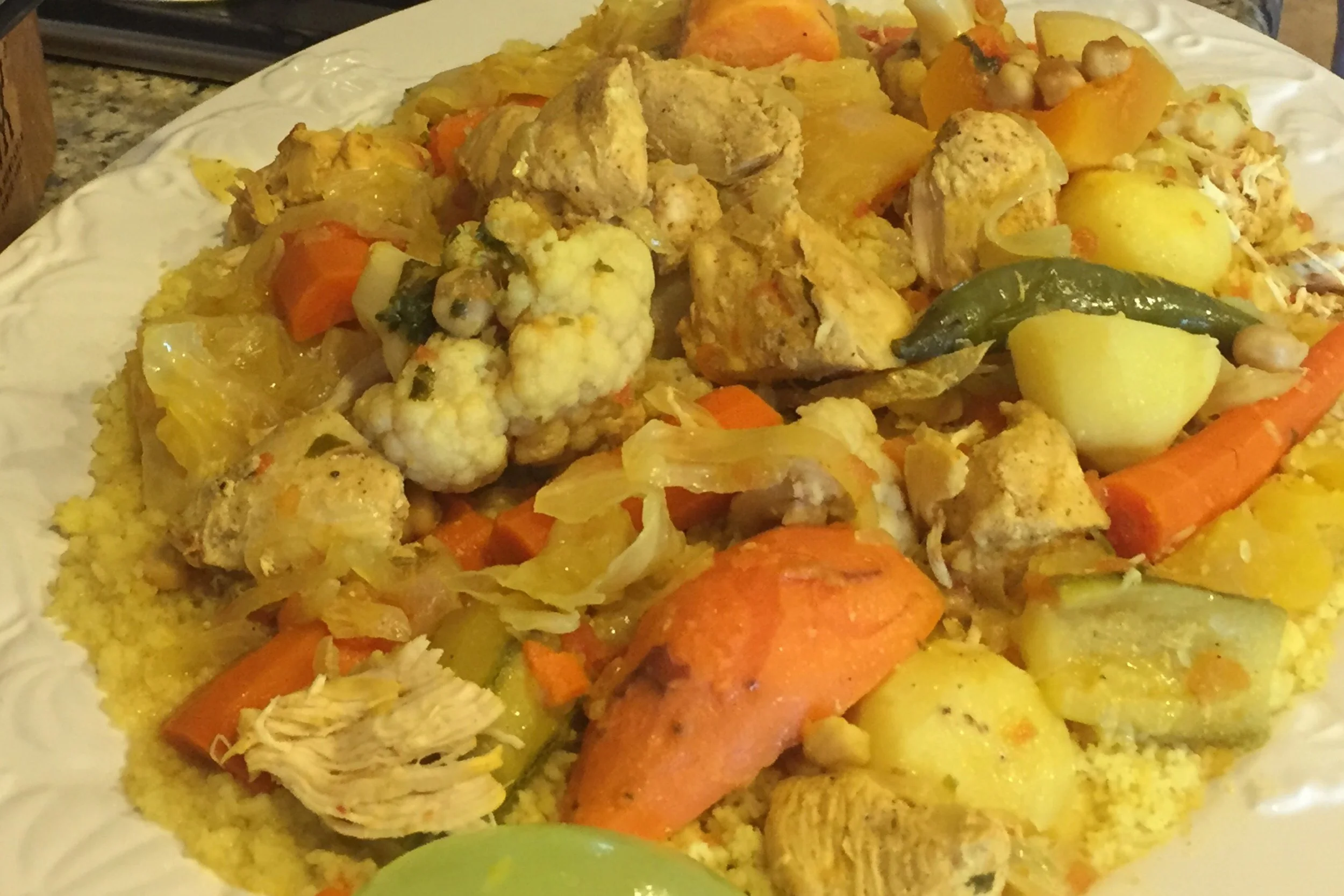
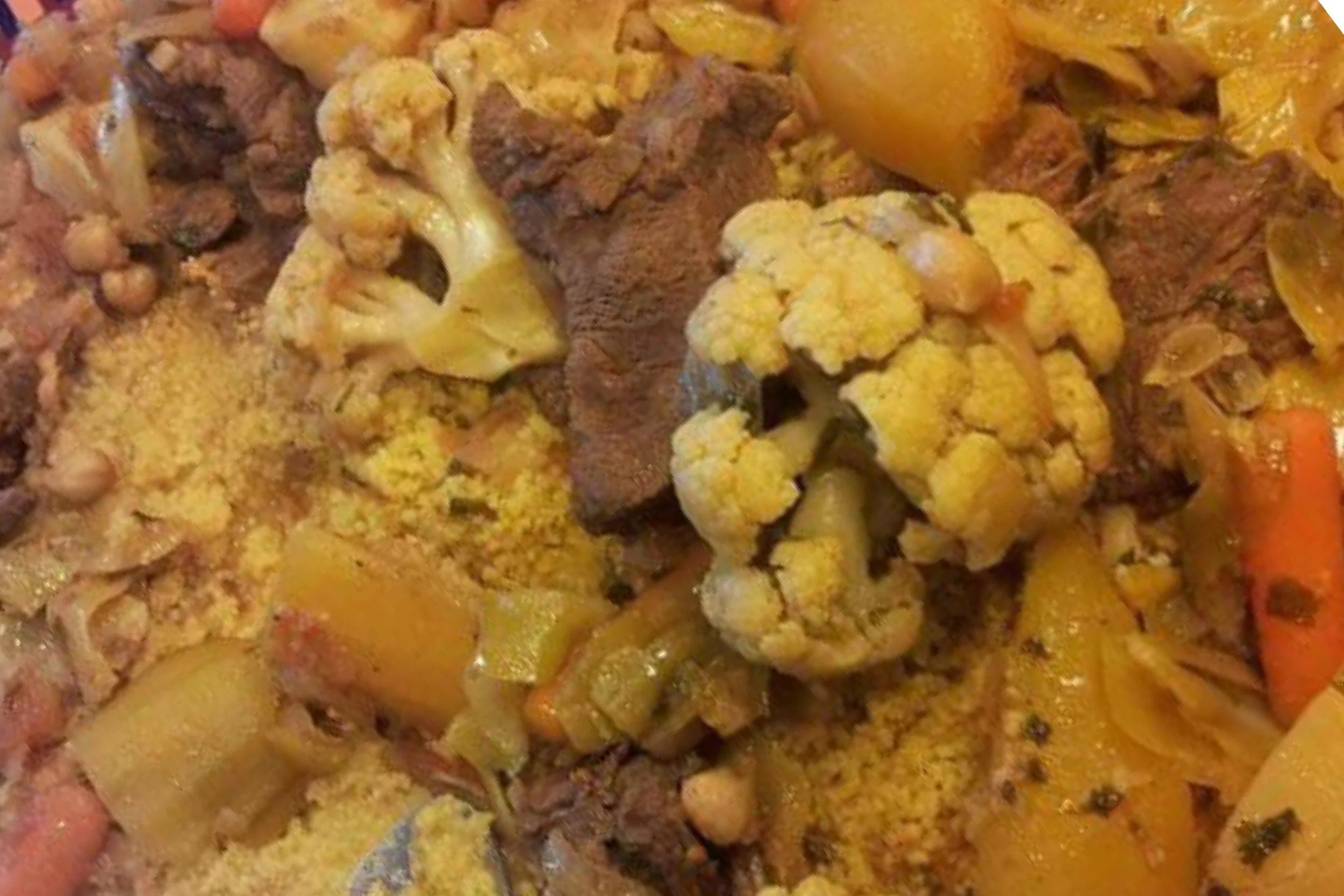
This is my favorite fall recipe of all time! It’s so warming, nourishing and healthy; it’s perfect for cool autumn days or for a cozy dinner with friends. I have my dear friend Laura and her husband to thank for sharing this recipe for me. Though the following recipe is altered from the traditional way Noureddine made his, it still turns out pretty good, but nothing compared to the original! I’d like to point out a couple differences between my version and his: firstly, I repeatedly forget to add cilantro to my recipe, but that is in the original one. Secondly, and more importantly, I make mine more like a soup or stew, whereas the original recipe calls for very little to no water. The vegetables steams as the meat and onions cook, and while releasing their own water, the vegetables then add to the liquid and then in turn add to the steam to finish cooking the rest of the vegetables.
This recipe is naturally dairy free and to make it vegan, simply omit the meat from this recipe. It’s so flavorful as it is, you won’t even miss the meat! To bulk up the protein, I’d recommend adding more garbanzo beans.
The complete is as follows and does differ from the one in the video. Please keep in mind that this is a very forgiving recipe and anything goes! To make the couscous base of this meal, simply follow the directions on the box of couscous. It’s super simple to make.
I love my peeler! Though I accidentally mentioned it was by Martha Stewart, it’s actually by Chef’n and can be found at Bloomingdale’s.
Moroccan Couscous-Chicken
Special thank you to Laura and Noureddine for this recipe.
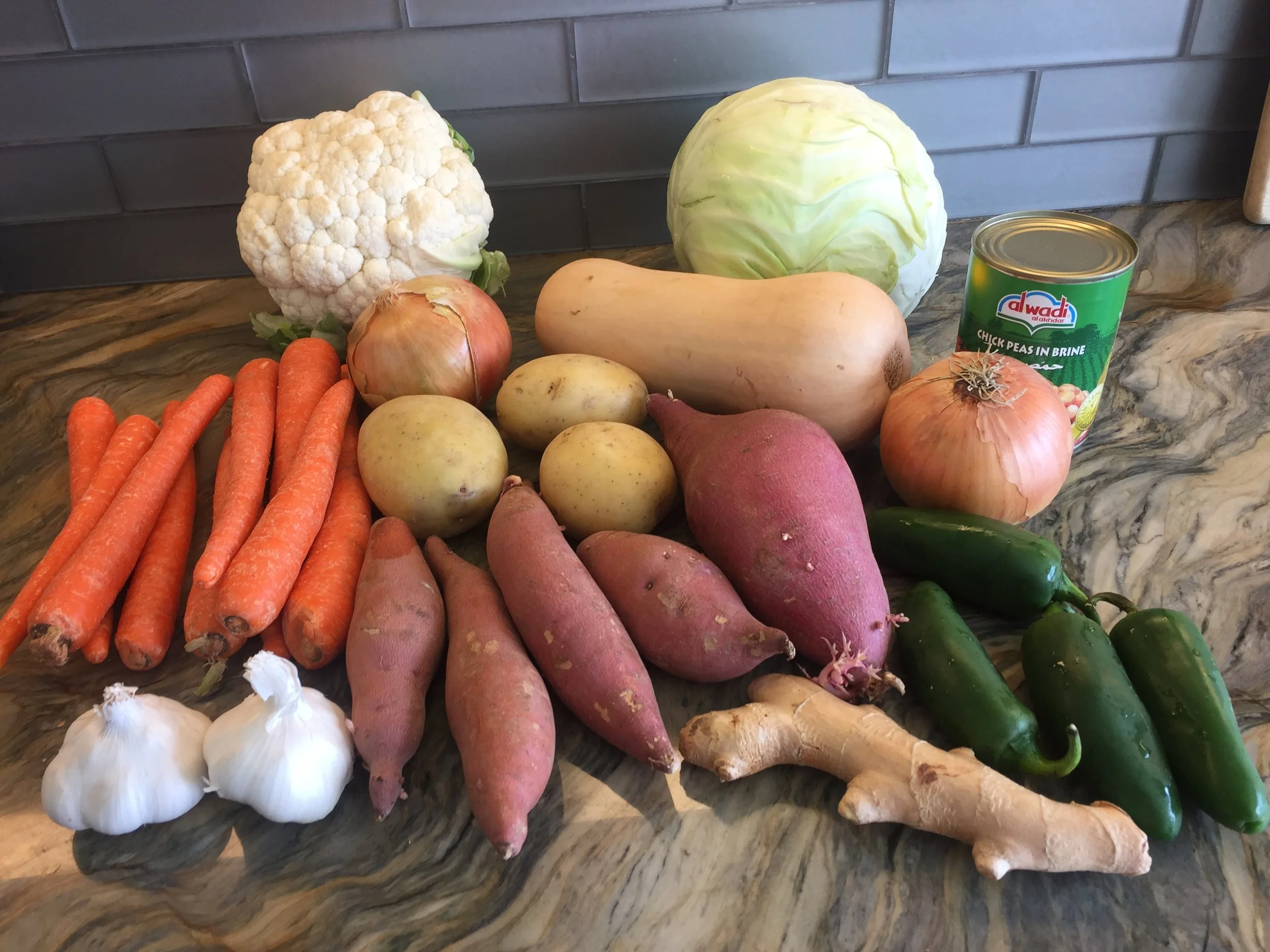
Ingredients:
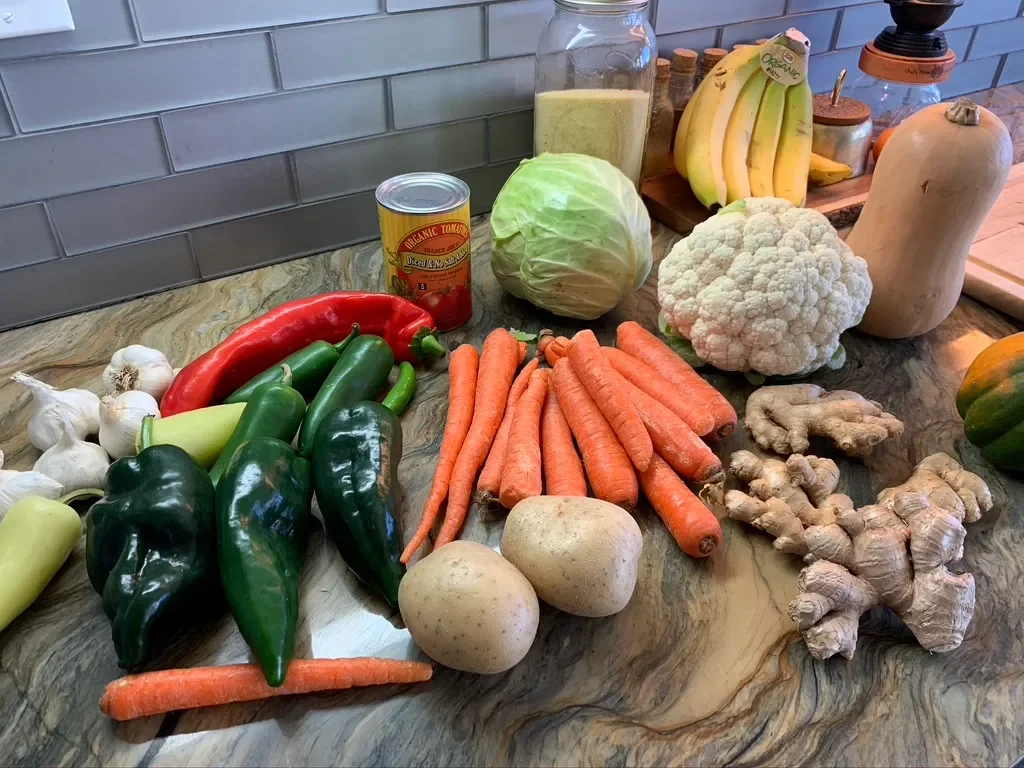
1 chicken (whole with skin on or cut into 10 pieces-no skin)
2 onions-sliced
2 jalapenos
1 head of garlic-minced
Ginger (equal to garlic) – minced
1 small can of tomato sauce (8 oz.)
1 butternut squash-peeled and quartered
1 bag of carrots (about 6-8)-peeled
3-4 potatoes-peeled and cut in half long ways
2-3 sweet potatoes or yams-peeled and cut in half
1 acorn squash- peeled and cut in half long ways
1 head of cauliflower-washed and quartered
½ head of green cabbage-washed and quartered into wedges
1 can of garbanzo beans
1-2 boxes of couscous, follow directions of package
Spices: salt, pepper, cumin, turmeric, cayenne pepper
Optional: add other fall vegetables that are in season like squashes and root vegetables
Directions:
If cooking a whole chicken, wash and place it on a baking pan, season lightly with black pepper and salt and bake on 450-500 degrees for 10-15 minutes uncovered until the skin is dark golden brown and crackling. Reduced to 400 degrees, poke the skin of the chicken where the thigh and breast meet to let the juices run, and cover the chicken. Cook for another 45-60 minutes until the chicken is done, but not over cooked.
If cooking chicken pieces begin by browning an onion over medium heat, add the jalapeno at this time, trimming off the top if you want it spicier. As the chicken will cook quickly, just brown the chicken pieces before covering with water and bringing the water to a hot simmer. You may choose to heat water earlier in a separate pan, and add it to the chicken hot.
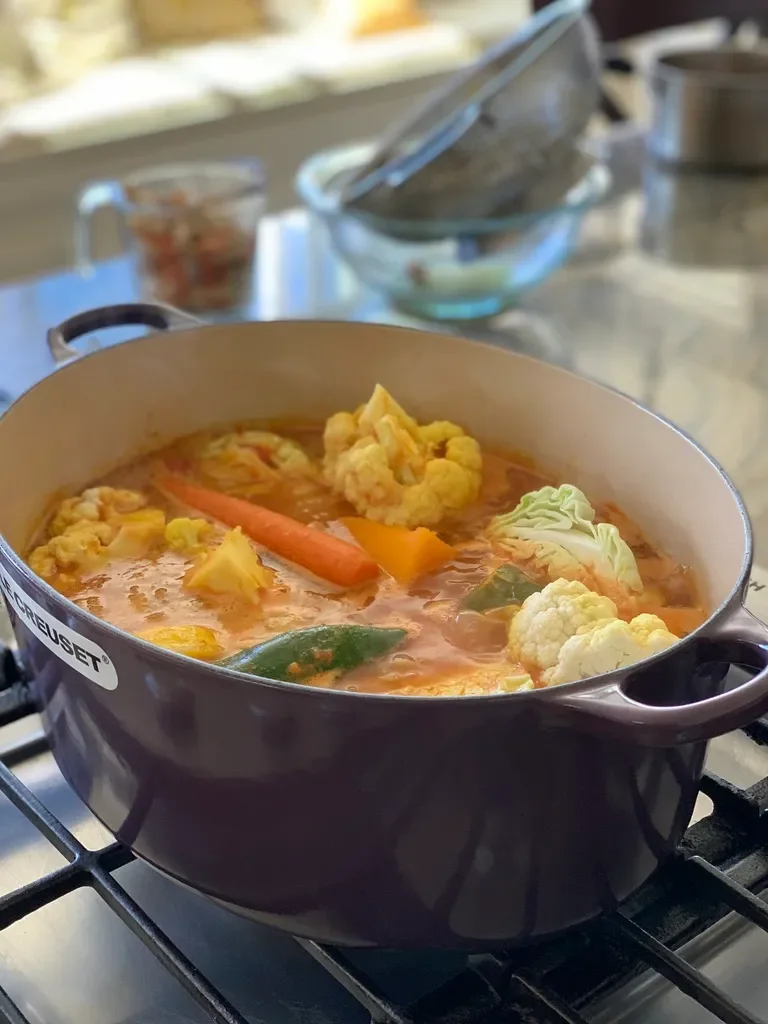
Add garlic, ginger, salt, pepper, a pinch of cayenne pepper, turmeric and cumin, and tomato sauce. Layer in the vegetables starting with the ones that take the longest to cook. I start with the dense squashes and carrots, then add to root vegetables and finish with cabbage and cauliflower on top. Lastly, add the garbanzo beans. Avoid mixing as this breaks up the vegetables, only lightly mix if necessary. I like my couscous soupy so I tend to add quite a bit of water, enough to nearly cover the vegetables. Though this is not traditional, it has become a family tradition and allows extra liquid for making the couscous.
When the vegetables are all tender, turn off the heat and prepare the couscous. Follow the direction of the package.
Presenting the dish is as important as cooking it. In a large shallow serving dish, add a thick layer of couscous, evenly spread the couscous around. Next add the vegetables and chicken pieces, or lay the whole chicken on the bed of couscous and then assort the vegetables around the chicken. Using a strainer, add soup to a bowl to add separately to each plate.
Hana’s Tip: Instead of using water to make the couscous, substitute couscous broth for water for a richer, tastier couscous.
Moroccan Couscous-beef
Ingredients:
2-3 lbs. beef stew cut into bit size chunks
2 onions-sliced
2 jalapenos
1 head of garlic-minced
Ginger (equal to garlic) – minced
1 small can of tomato sauce (8 oz.)
1 butternut squash-peeled and quartered
1 bag of carrots (about 6-8)-peeled
3-4 potatoes-peeled and cut in half long ways
2-3 sweet potatoes or yams-peeled and cut in half
1 acorn squash- peeled and cut in half long ways
1 head of cauliflower-washed and quartered
½ head of green cabbage-washed and quartered into wedges
1 can of garbanzo beans
1-2 boxes of couscous, follow directions of package
Optional: add other fall vegetables that are in season like squashes and root vegetables
Directions:
Over medium heat, brown an onion, take care not to burn the onion add the jalapeno at this time, trimming off the top if you want it spicier. Toss in meat and brown lightly. Cover with water and let simmer on medium heat until meat is nearly tender, this may take 2-3 hours, bear in mind there will still be 45 minutes of cooking to follow, don’t over cook the meat or it will be stringy.
Add garlic, ginger, salt, pepper, a pinch of cayenne pepper, turmeric and cumin, and tomato sauce. Layer in the vegetables starting with the ones that take the longest to cook. I start with the dense squashes and carrots, then add to root vegetables and finish with cabbage and cauliflower on top. Lastly, add the garbanzo beans. Avoid mixing as this breaks up the vegetables, only lightly mix if necessary. I like my couscous soupy so I tend to add quite a bit of water, enough to nearly cover the vegetables. Though this is not traditional, it has become a family tradition and allows extra liquid for making the couscous.
When the vegetables are all tender, turn off the heat and prepare the couscous. Follow the direction of the package.
Presenting the dish is as important as cooking it. In a large shallow serving dish, add a thick layer of couscous, evenly spread the couscous around. Next add the vegetables and meat. Using a strainer, add soup to a bowl to add separately to each plate.
Hana’s Tip: Instead of using water to make the couscous, substitute couscous broth for water for a richer, tastier couscous.


How To Make Orange and Date Salad
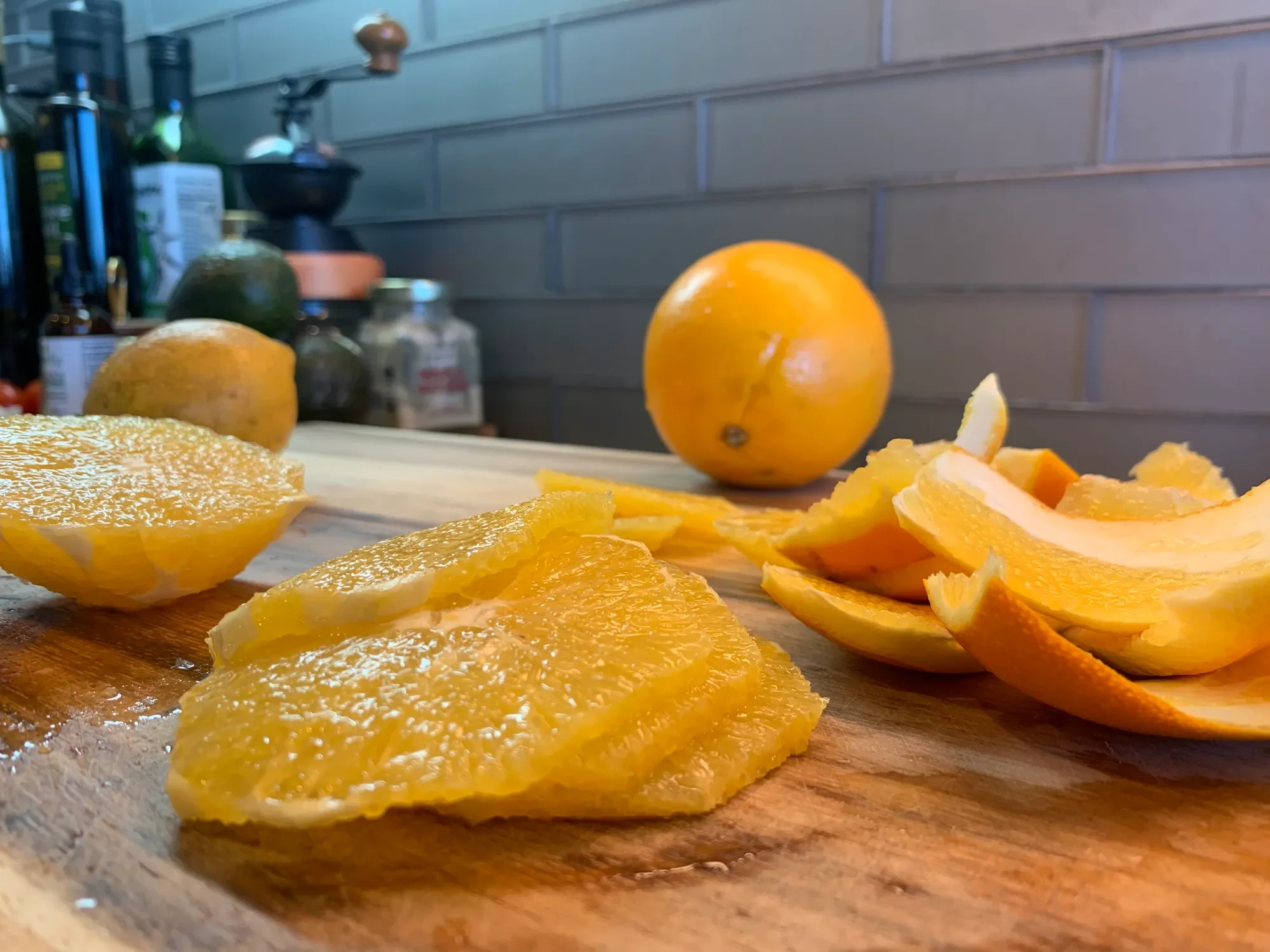
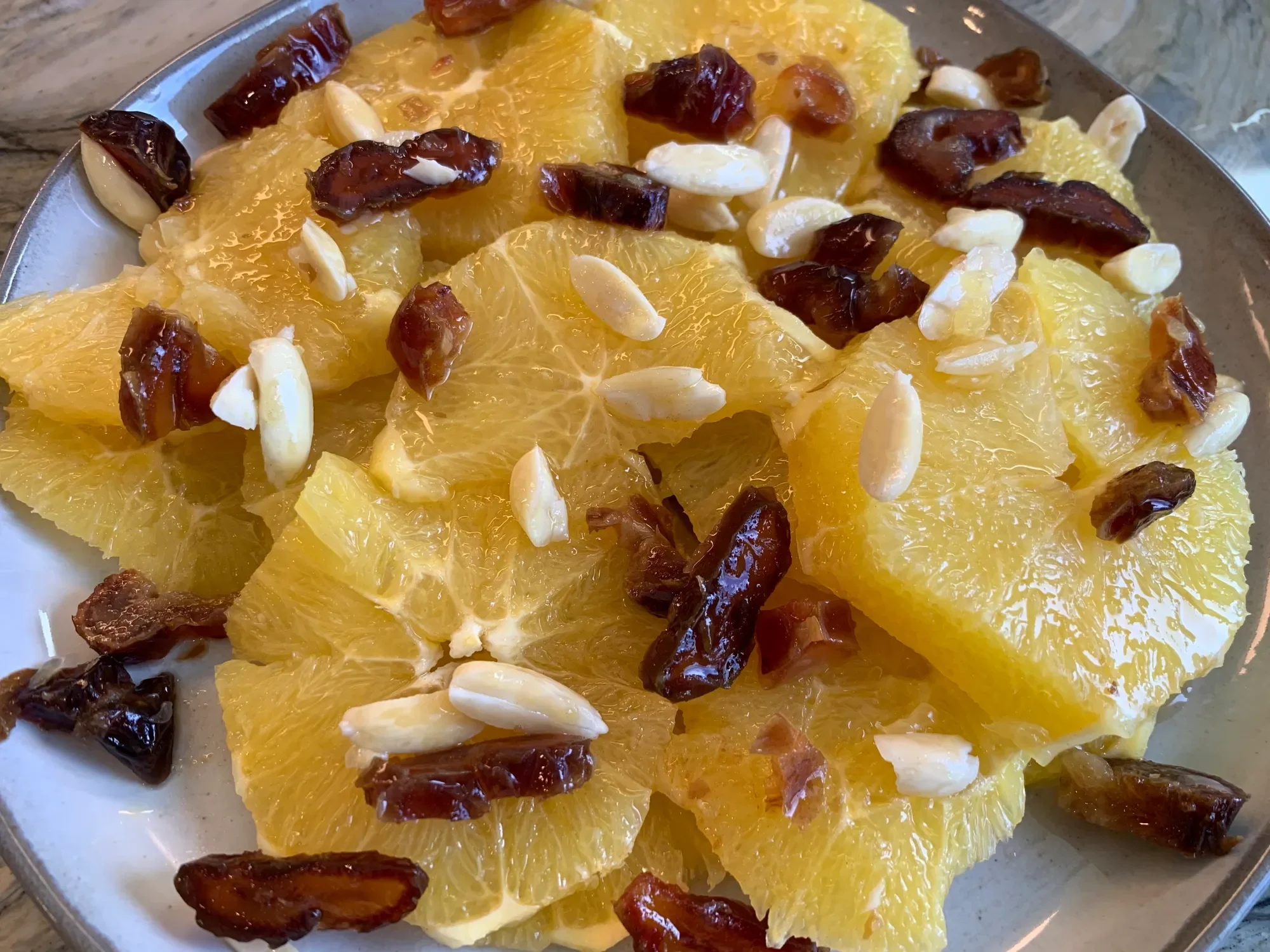
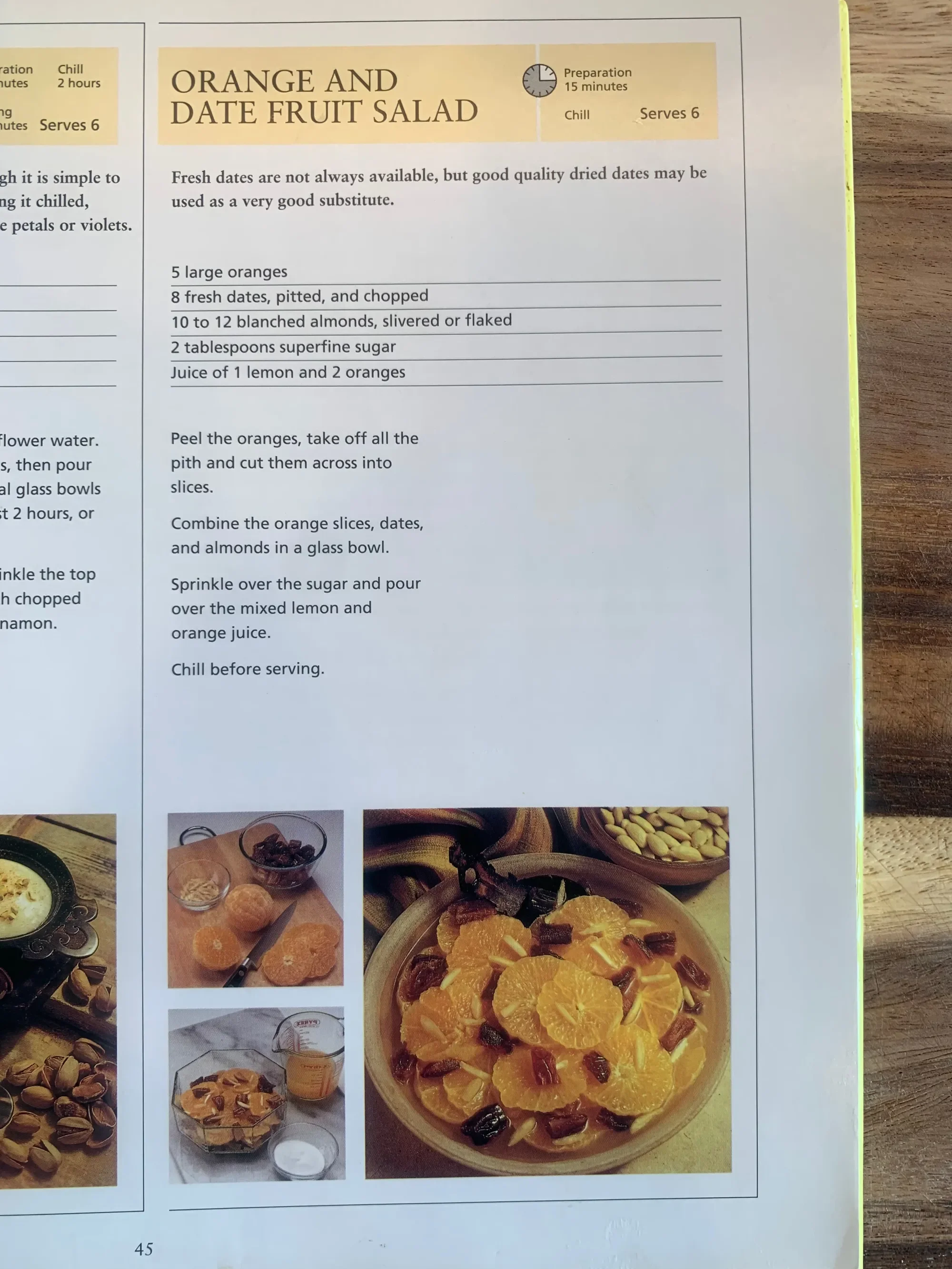
What a great way to end (or start) a meal than with sweet seasonal oranges garnished with dates and blanched almonds with a drizzle of lemon. The key to the success of this recipe is sweet seasonal oranges! We live in Southern California and our oranges are delicious! So imagine my surprise when we got a tasteless bitter bunch of oranges when buying the ingredients for this mini Moroccan feast for our homeschool main lesson block on Ibn Battuta and North Africa. No amount of garnish or sugar or lemon could enhance this recipe enough. So my tip is make sure you are using the best oranges you can get for the best success for this recipe. Enjoy!

Moroccan Tomato and Red Onion salad
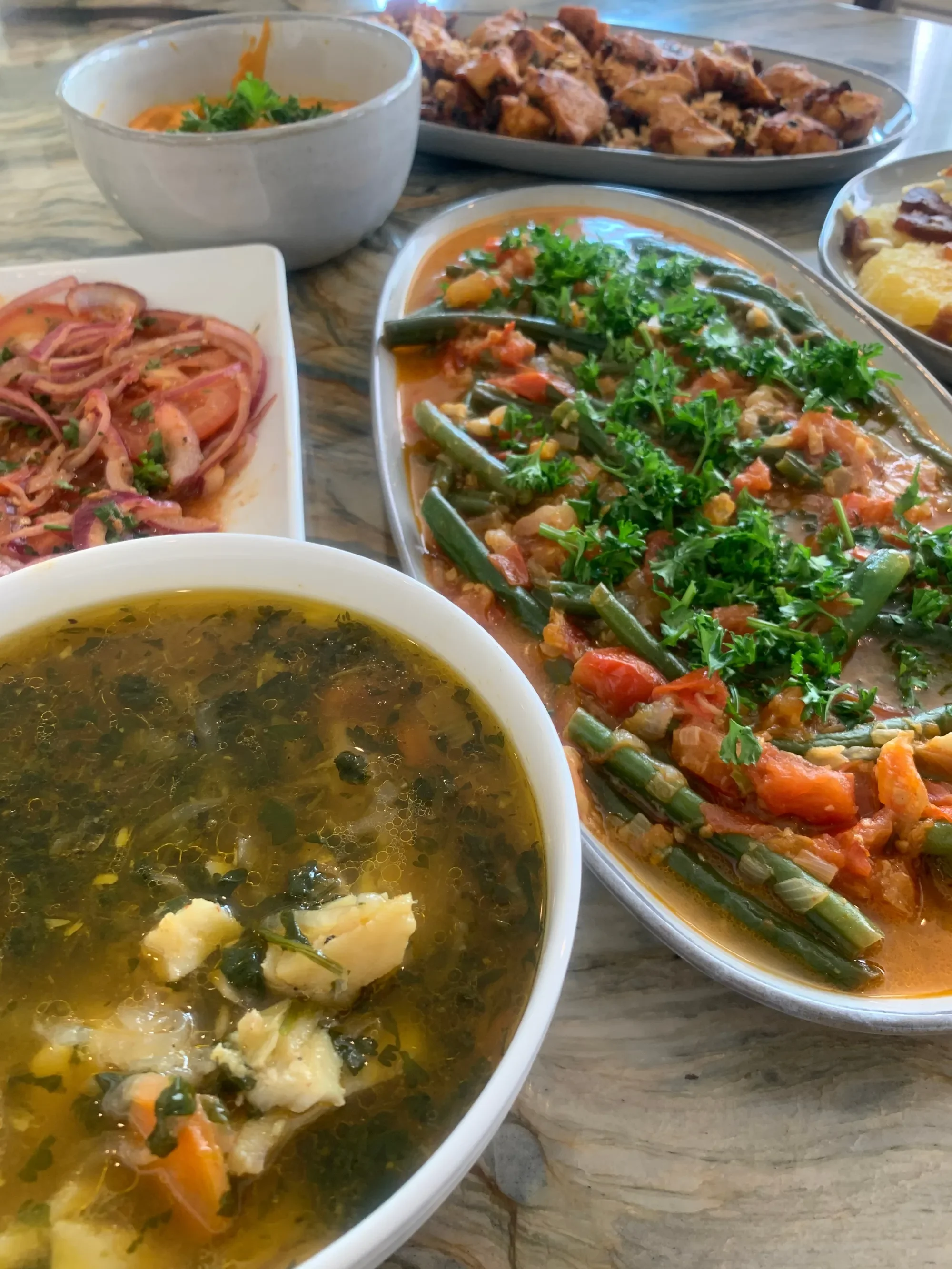
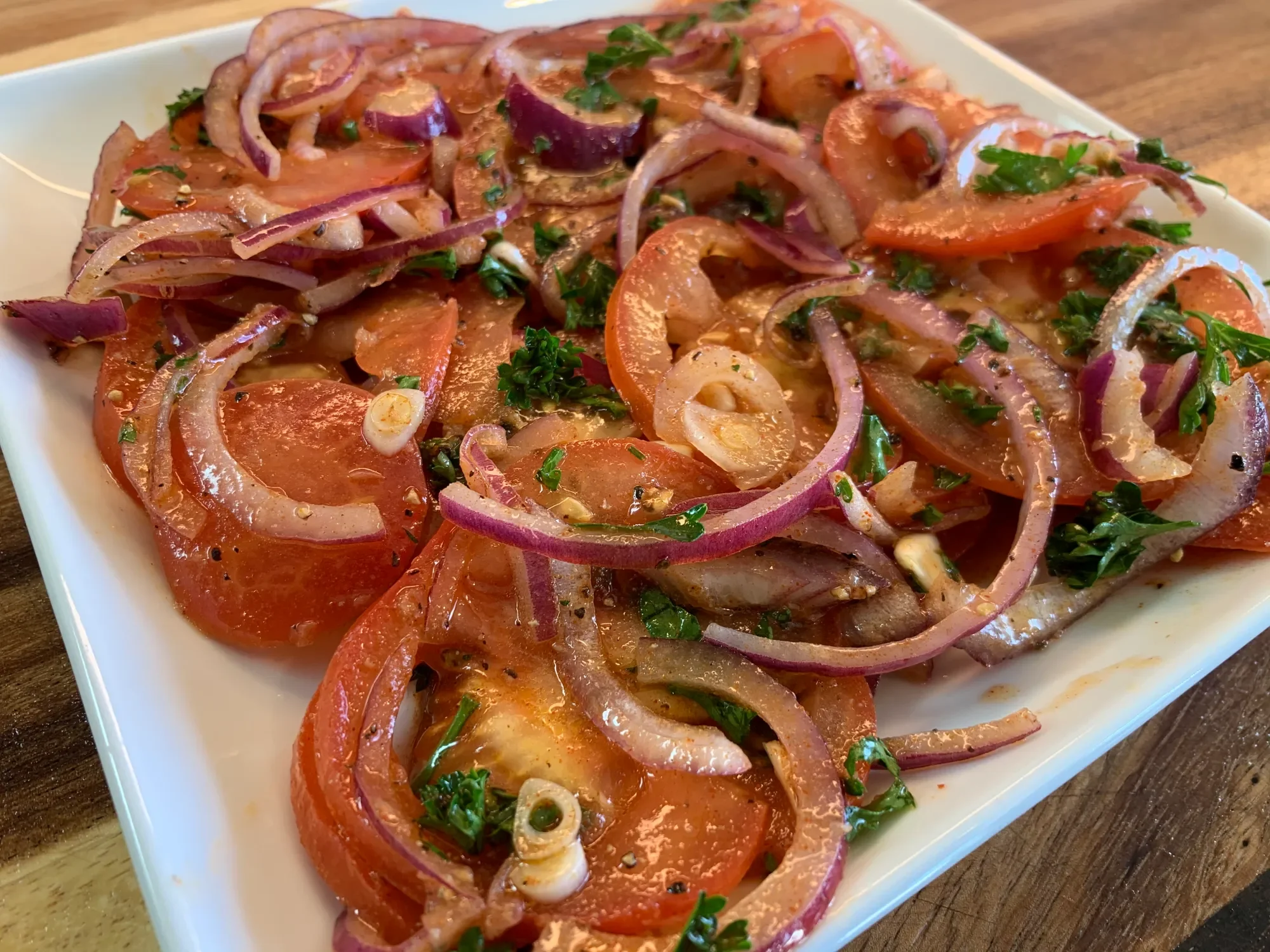
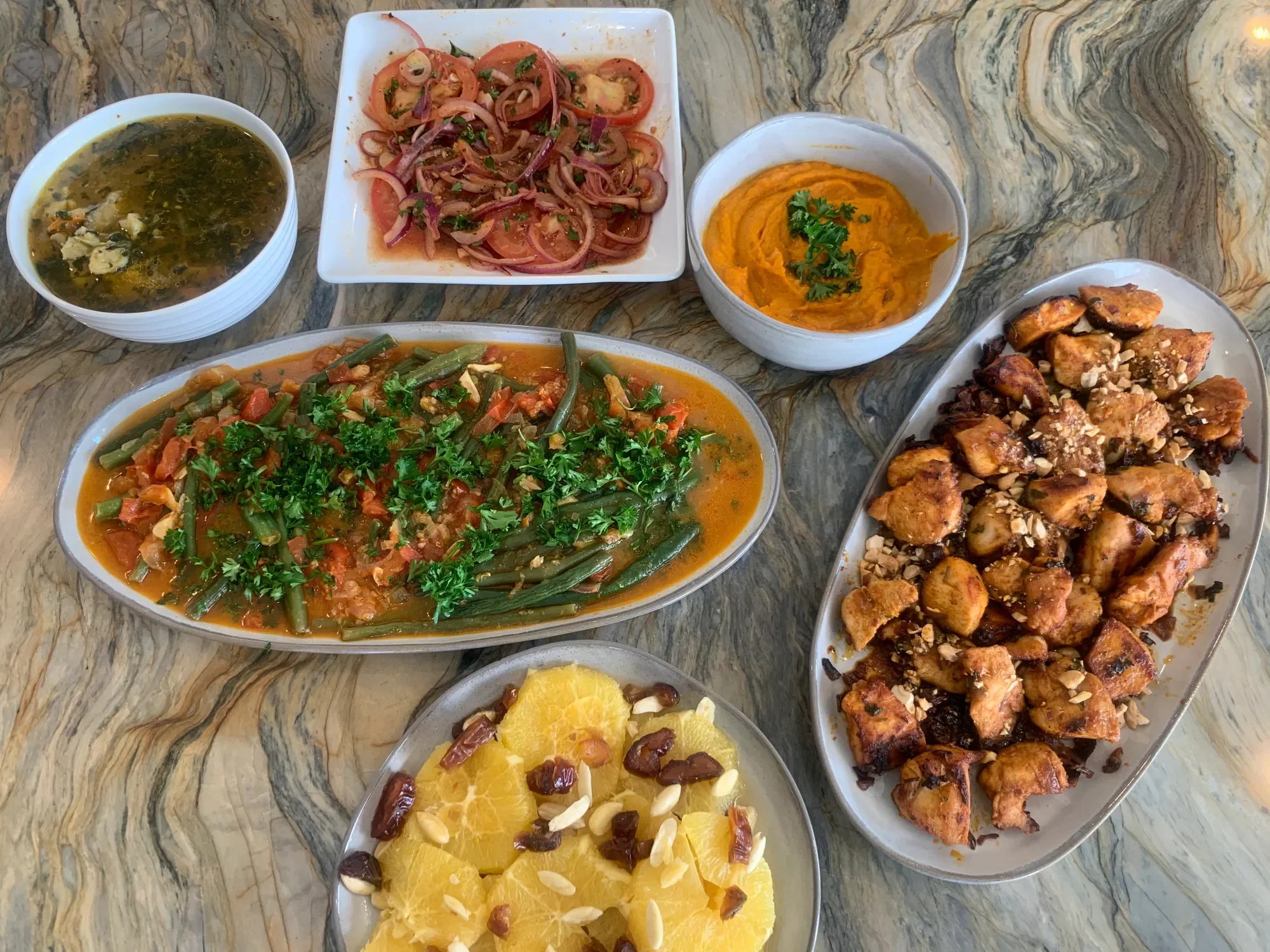
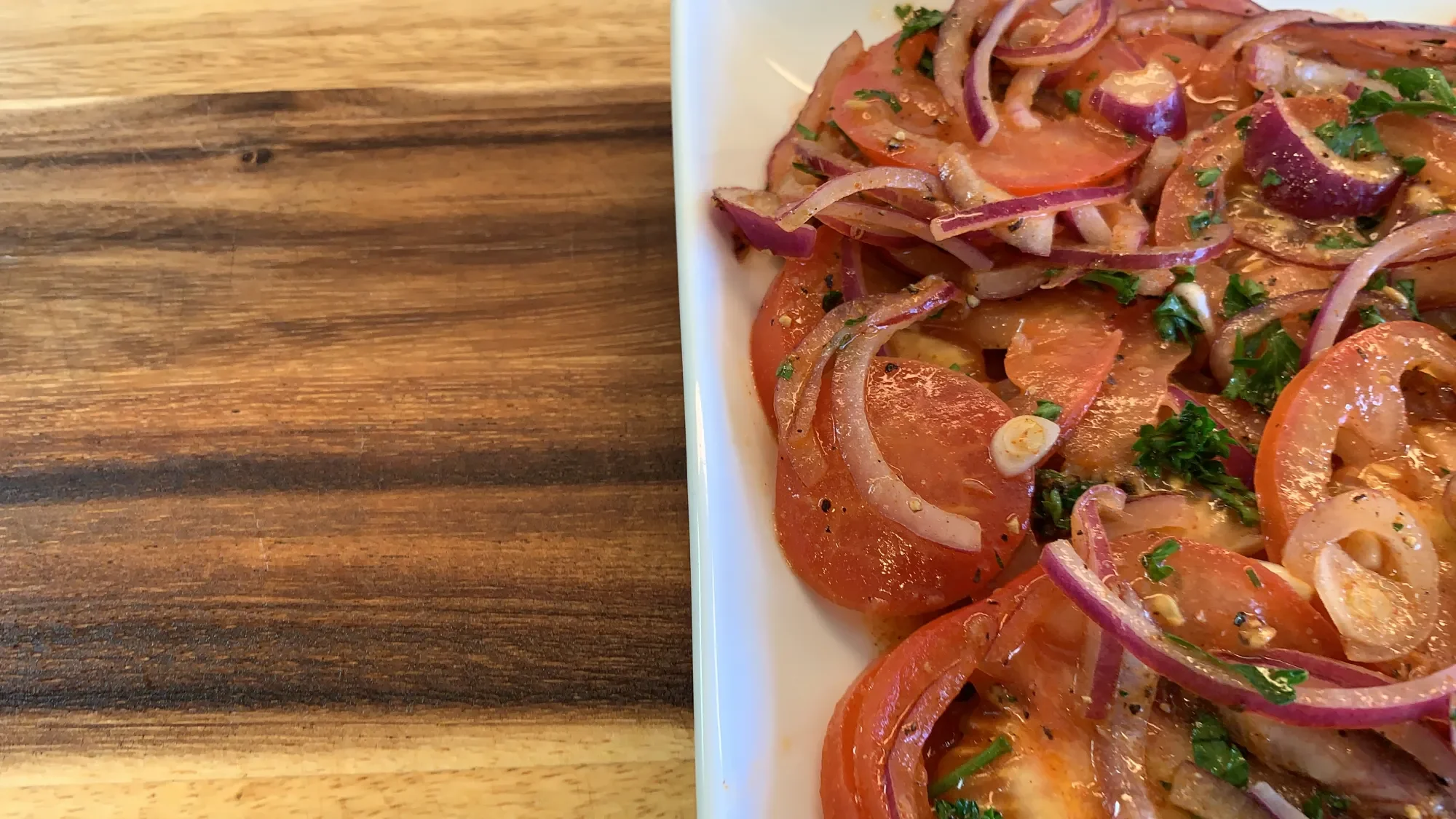
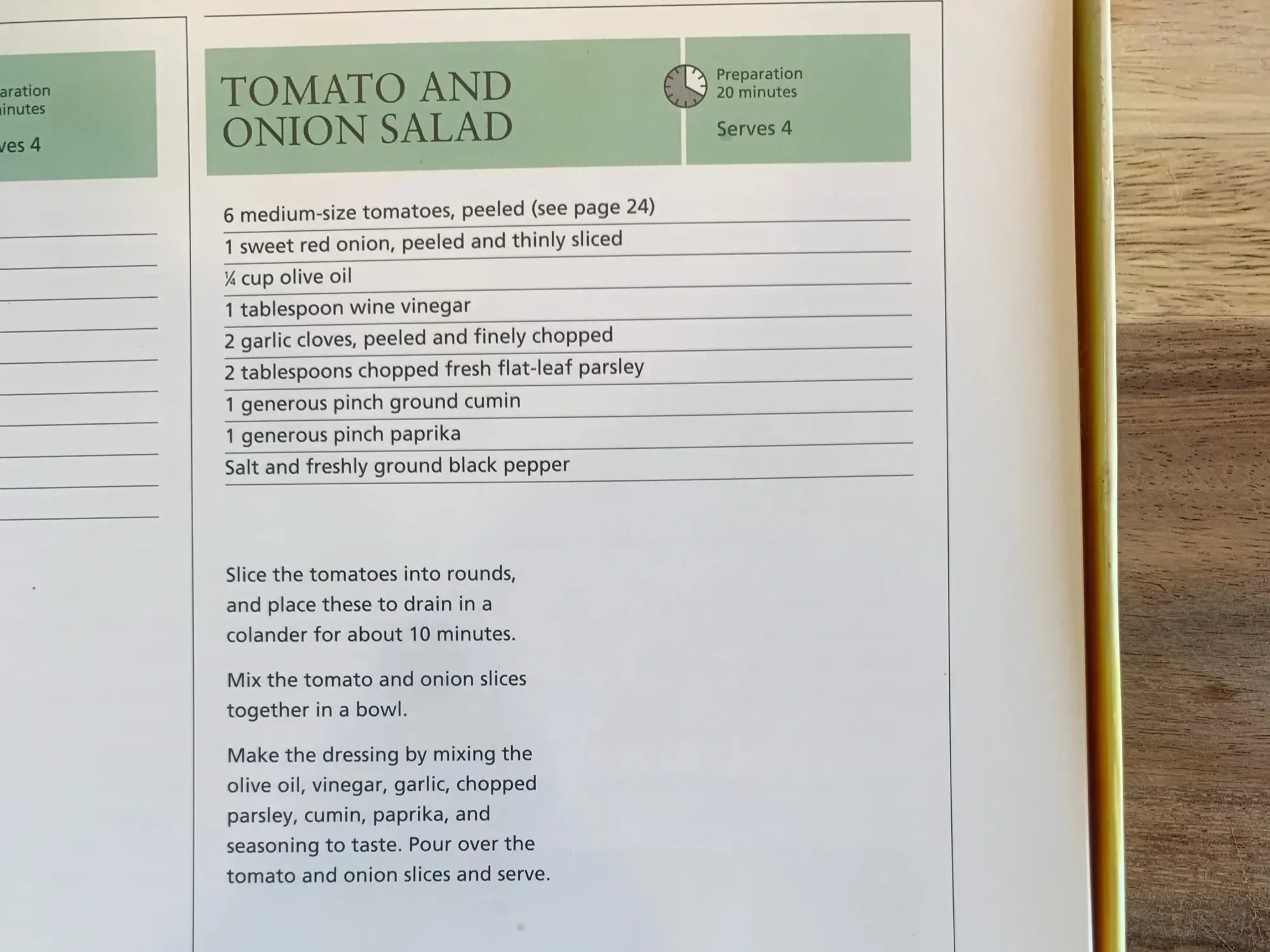
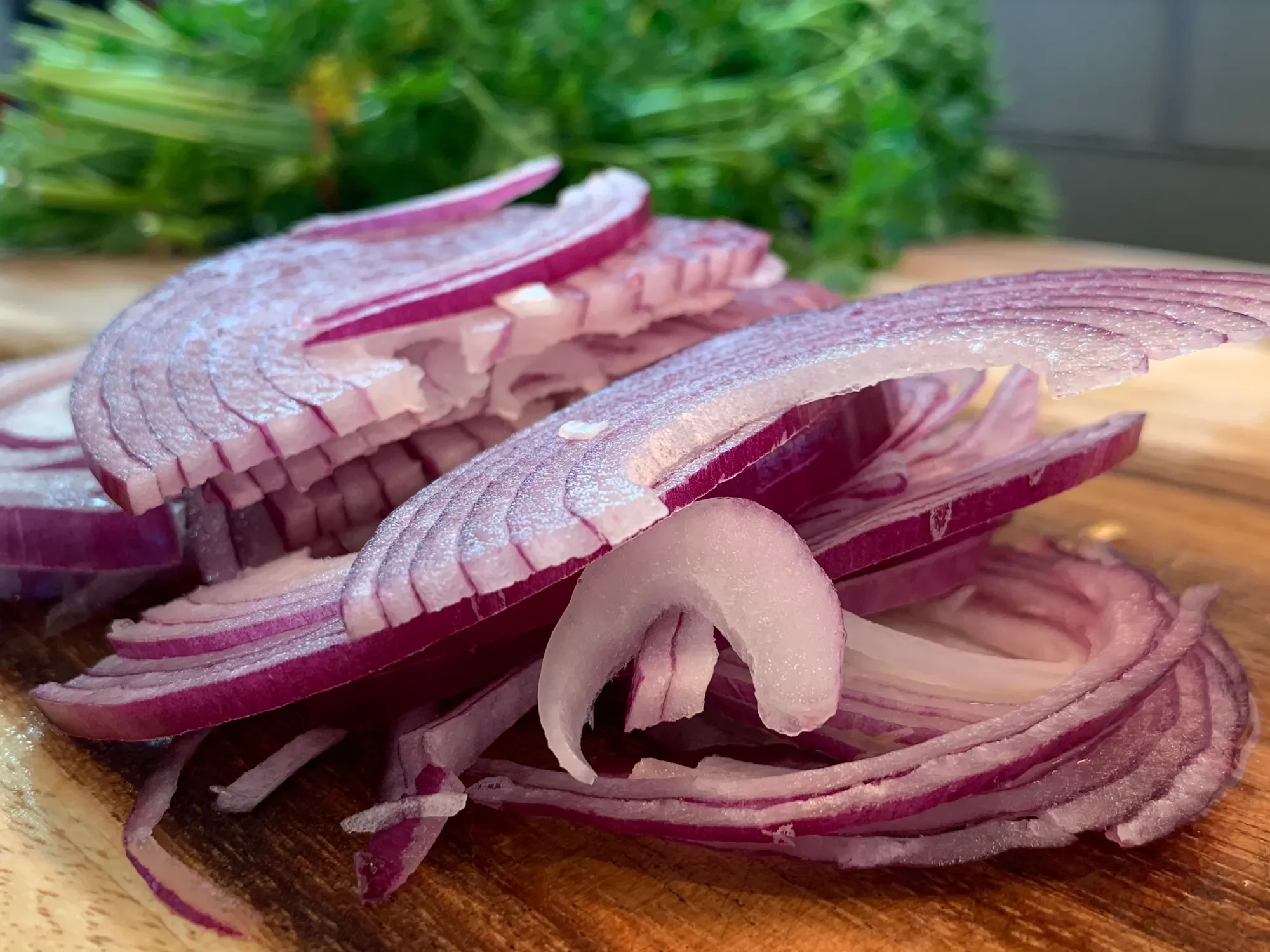
I love a good salad, and while I prefer more in my salad than just tomatoes and red onions, this Moroccan salad makes the ideal side dish to a main entree. I paired it with BBQ chicken and spicy green beans. This side dish was part of a mini Moroccan feast we made for our lessons on Ibn Battuta and North Africa. While putting this unit together, we focused much of the cuisine on Moroccan food, but Ibn Battuta was a world traveler, and didn’t return to his home county for decades. This recipe is simple and I recommend using the tastiest tomatoes you can find and slicing them from the bottom up rather than from side to side.
Spicy Moroccan Carrot Dip
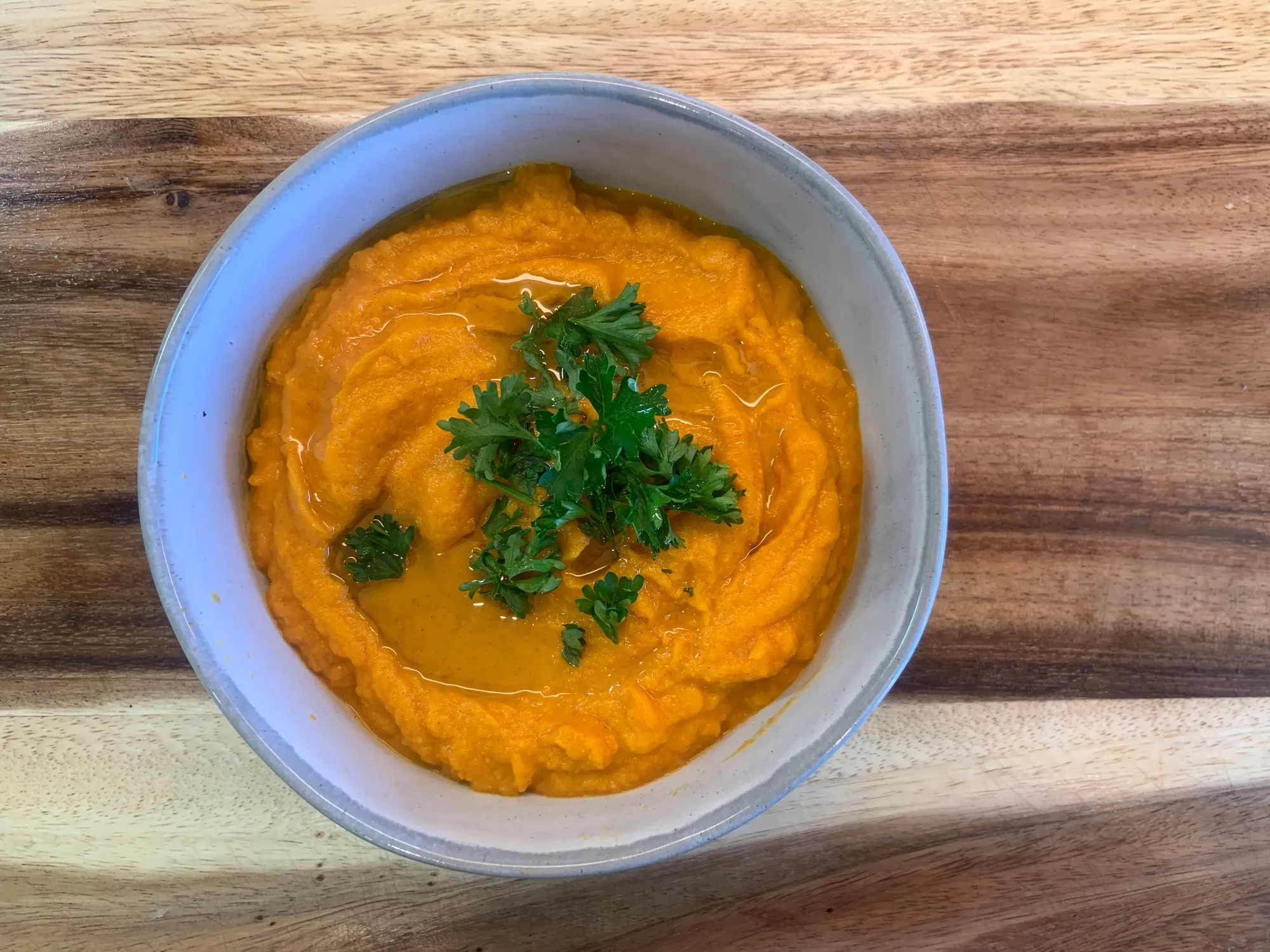
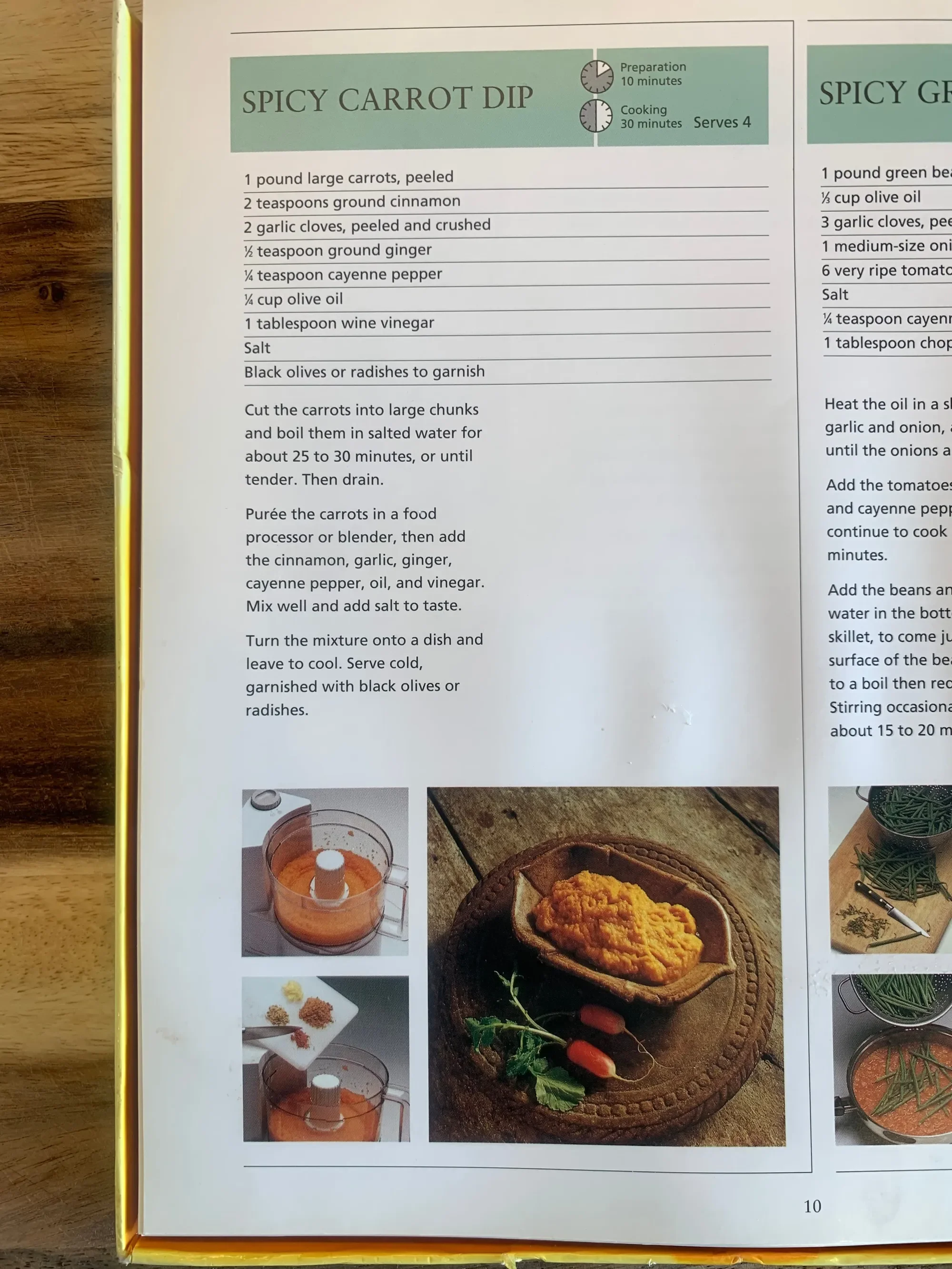
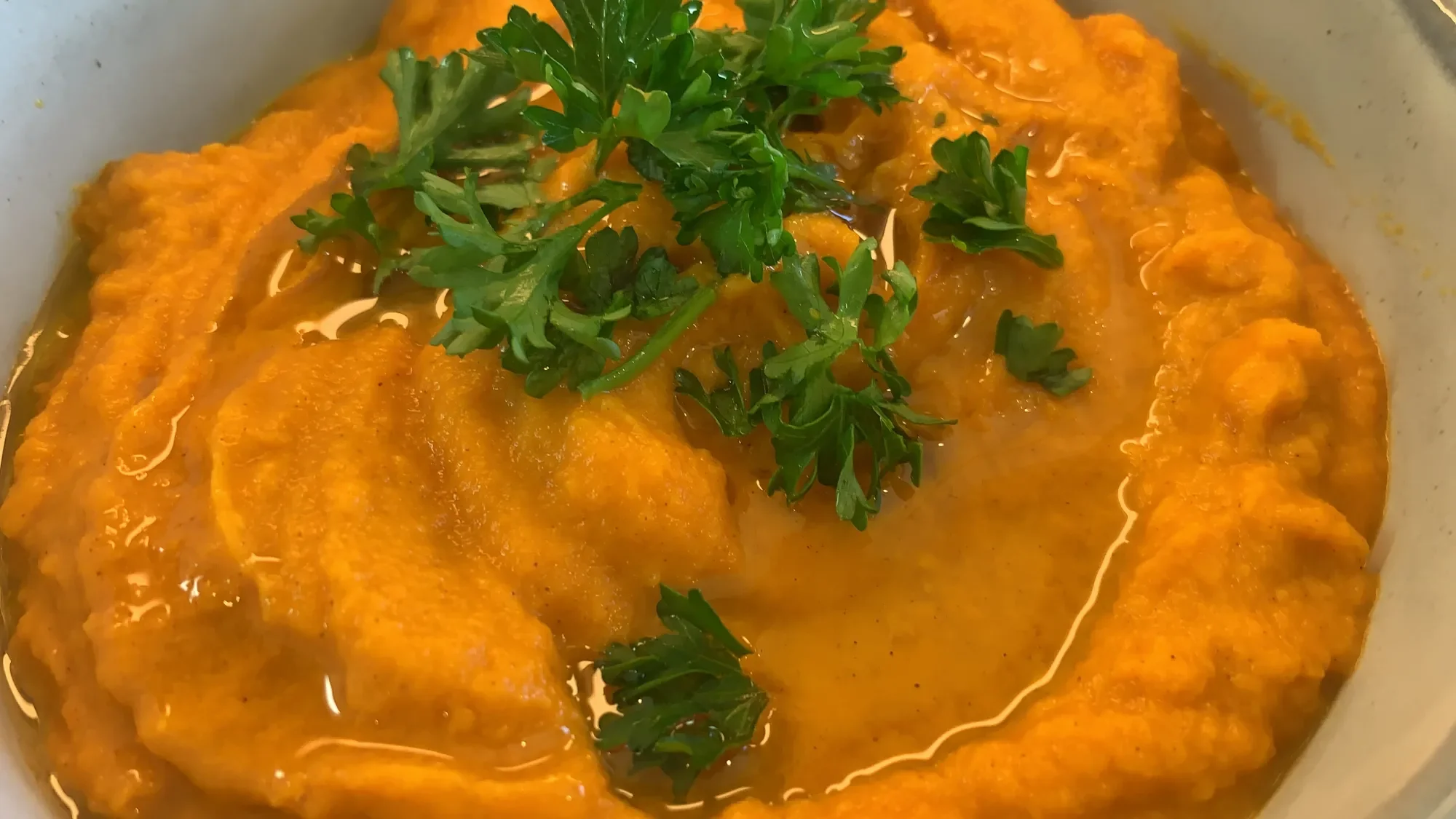
We often head to the kitchen when doing our homeschool unit studies as this adds flavor to our lessons. Sometimes we simply cook a single recipe, other times, like today, we cook up a whole feast! But this was mini feast and included dishes you might not immediate think of as Moroccan. When I think of Moroccan food, I think of tagine, couscous and harira. Those our recipes we have been making for years, so I decided to add some new things that are not so different to some of the recipes we already use. However, this carrot dip was a first for us. While I usually only make half the recipe to start out with, this time, I needed to add more carrots because the spices were a bit strong for us. In the end, only my 14-year-old son really liked it. The rest of us weren’t so keen on it. If I made it again, I would reduce my spices, especially garlic and ginger as they are extra potent when they are raw.
Moroccan Fish Soup
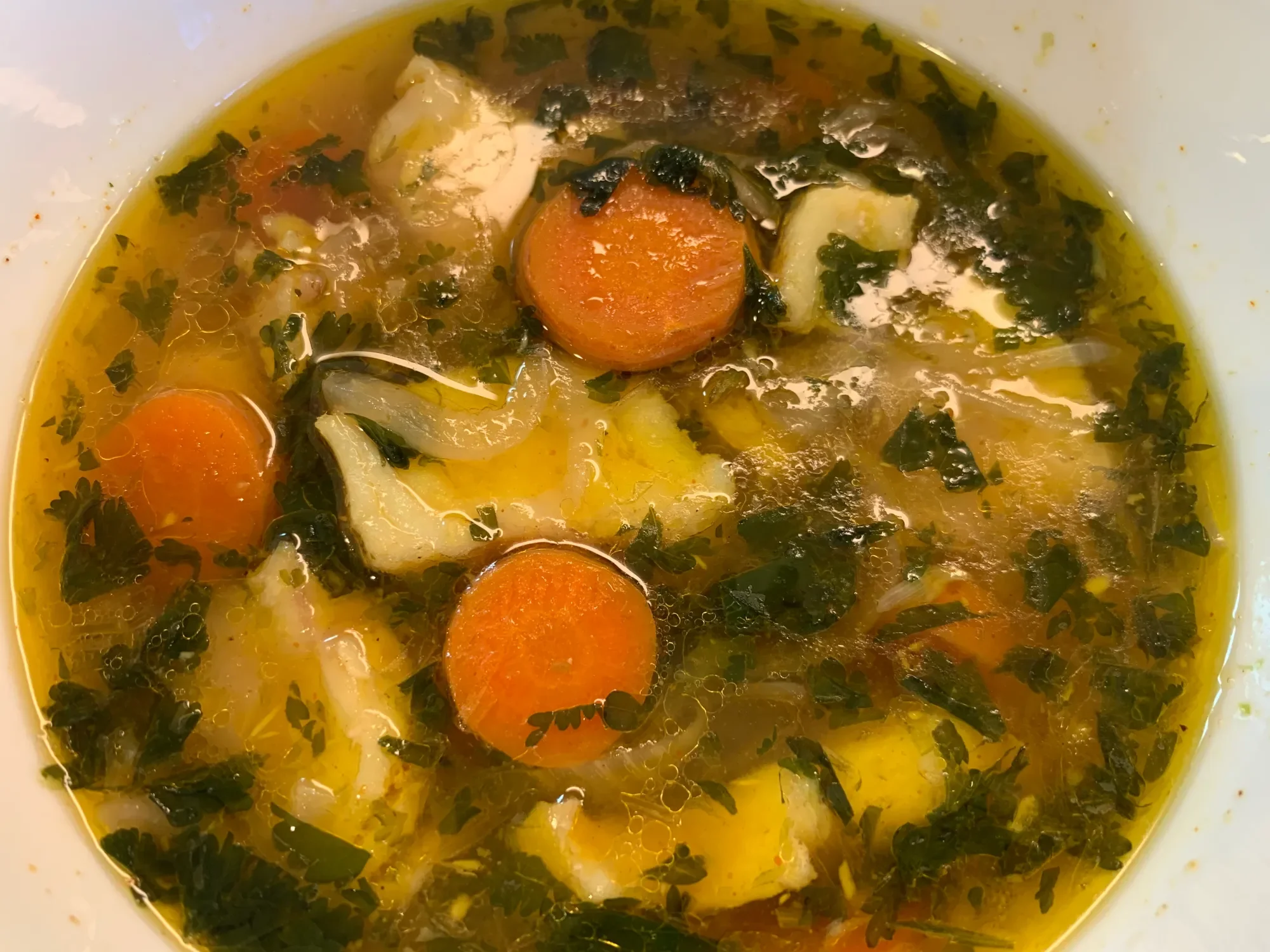
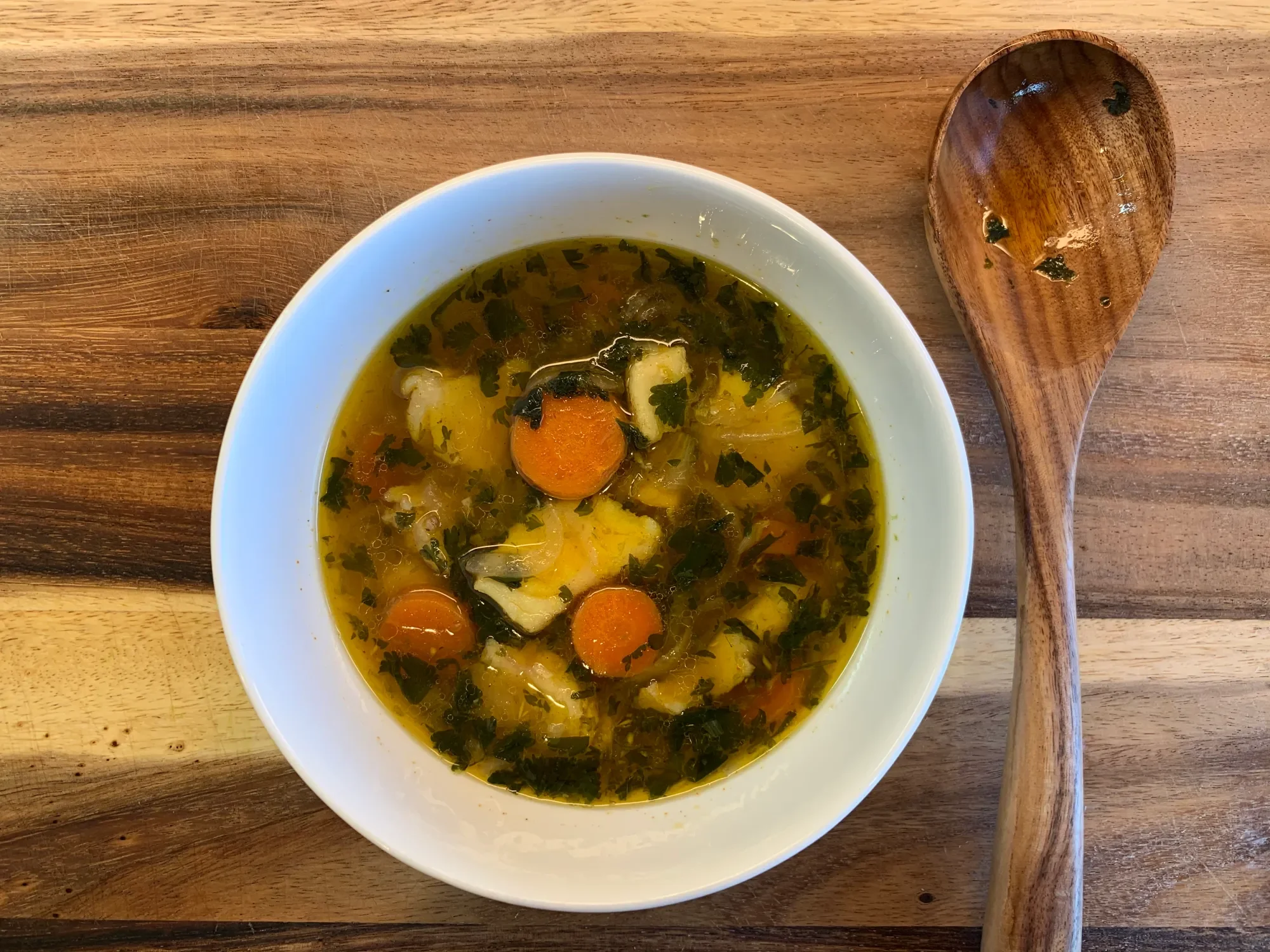
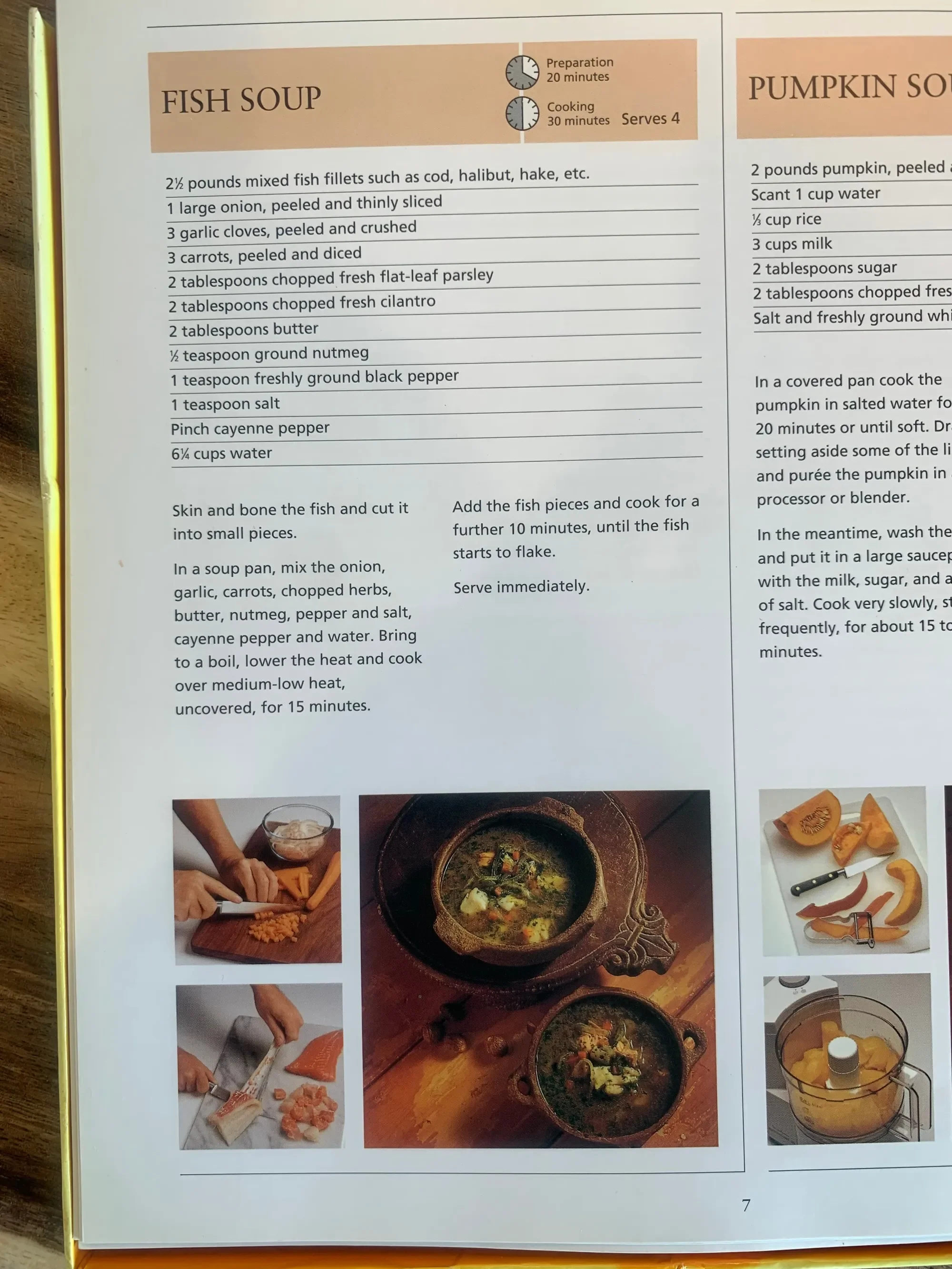
We almost always cut our recipes in half when we are trying something new. That way we can explore new cuisine without worrying if we are going to waste anything if we don’t like it. For this recipe, that was a mistake!! As soon as I was done making it, and we started sampling it, it was nearly gone before I had completed the rest of the meal. I hustled to defrost more Alaska cod, and my 14-year-old son helped chop the ingredients we needed for this simple, yet wholesome, warming and delicious soup. Well, here’s what happened. I had run out of brown onions, so we substituted with a red onion. That was a mistake! While red onions may taste similar, their color is not. And for many recipes the color may not matter, but for this one it did! The whole soup turned a brown which stained the white cod and left the broth kind of murky. While it tasted the same, it wasn’t appetizing. I also substituted homemade chicken bone broth for water and that added a depth of flavor as well. One ingredient I don’t typically use is nutmeg and this recipe calls for about 1/4 teaspoon. That added flavor along with our chicken broth and the simplicity of the fish and carrots has turned this recipe into a family favorite. I hope you’ll try it too!