Persian
-
![]()
Baghali Polo | Persian Rice with Dill Weed and Fava Beans
Nearly all my Persian recipes come from my friend Teyebeh who often gets from her mom, and I'll take a good guess and assume she gets them from her mom.
-
![]()
Persian Mint Meatballs
This recipe is from the book The New Persian Kitchen by Louisa Shafia. We do a lot of cooking anyway, but especially with our homeschooling. While doing our ancient Persia lessons, we got this and other Persian cookbooks to try some new recipes.
-
![]()
Orange Chicken Koresh | Iranian Cooking
I do love adding sweet to savory and even like orange flavored Chinese chicken, but I didn't seem to like this dish quite as much. However, my 18-year-old son said it was the best chicken I ever made. So the following day, I made the recipe again and cut down on the orange accents.
-
![]()
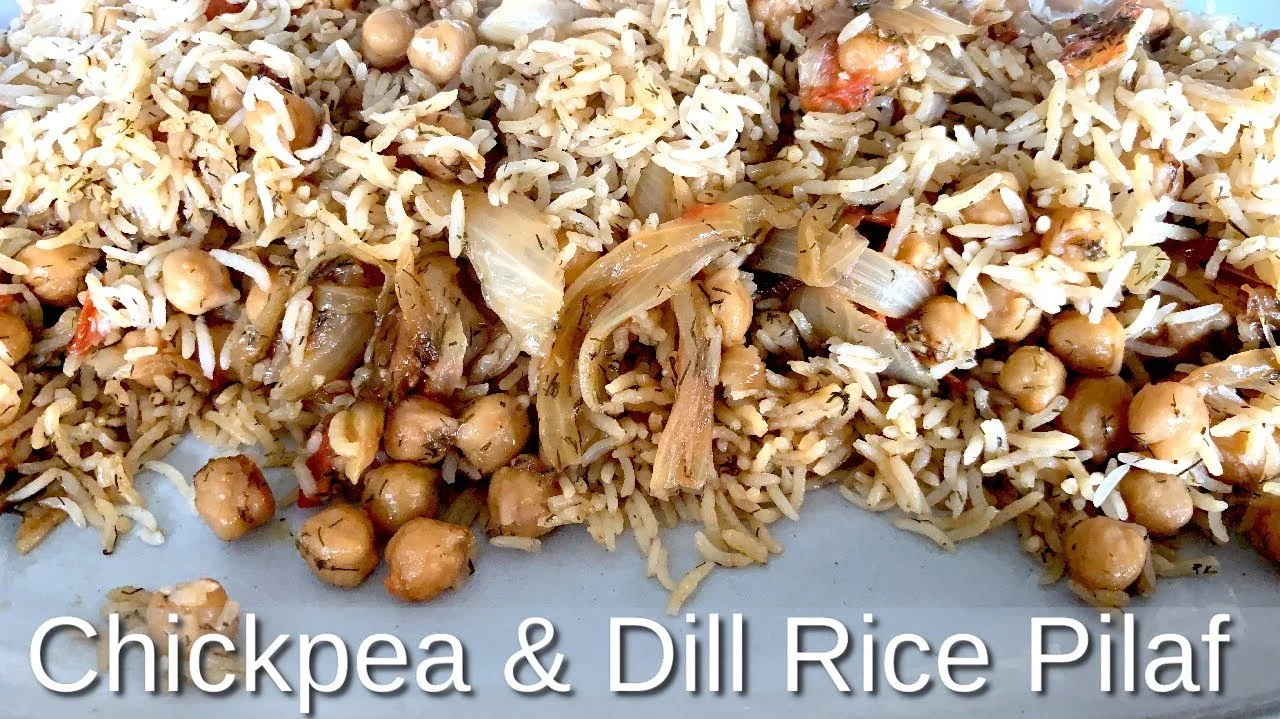
Chickpea and Dill Rice Pilaf | Iranian Cooking
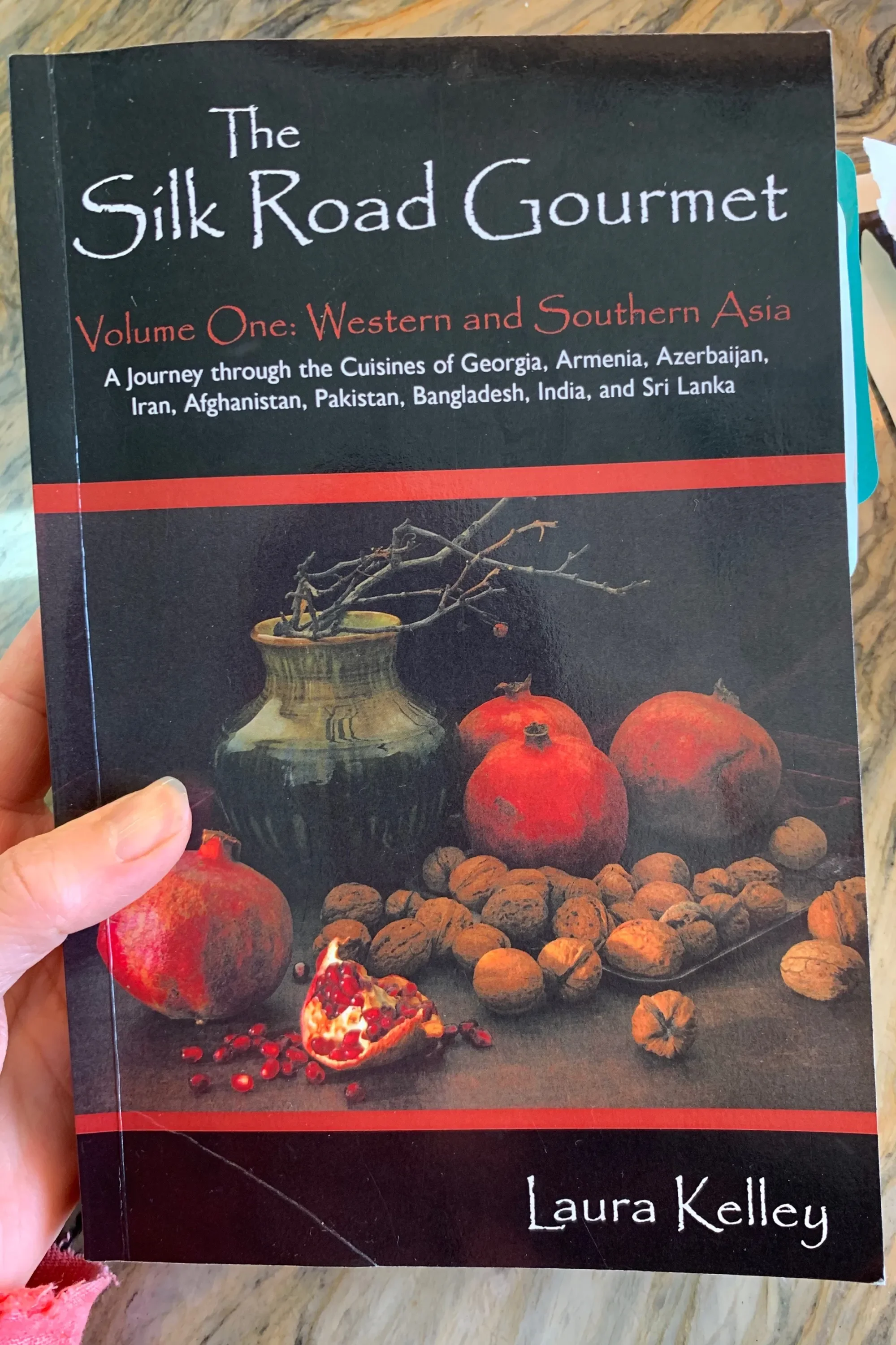
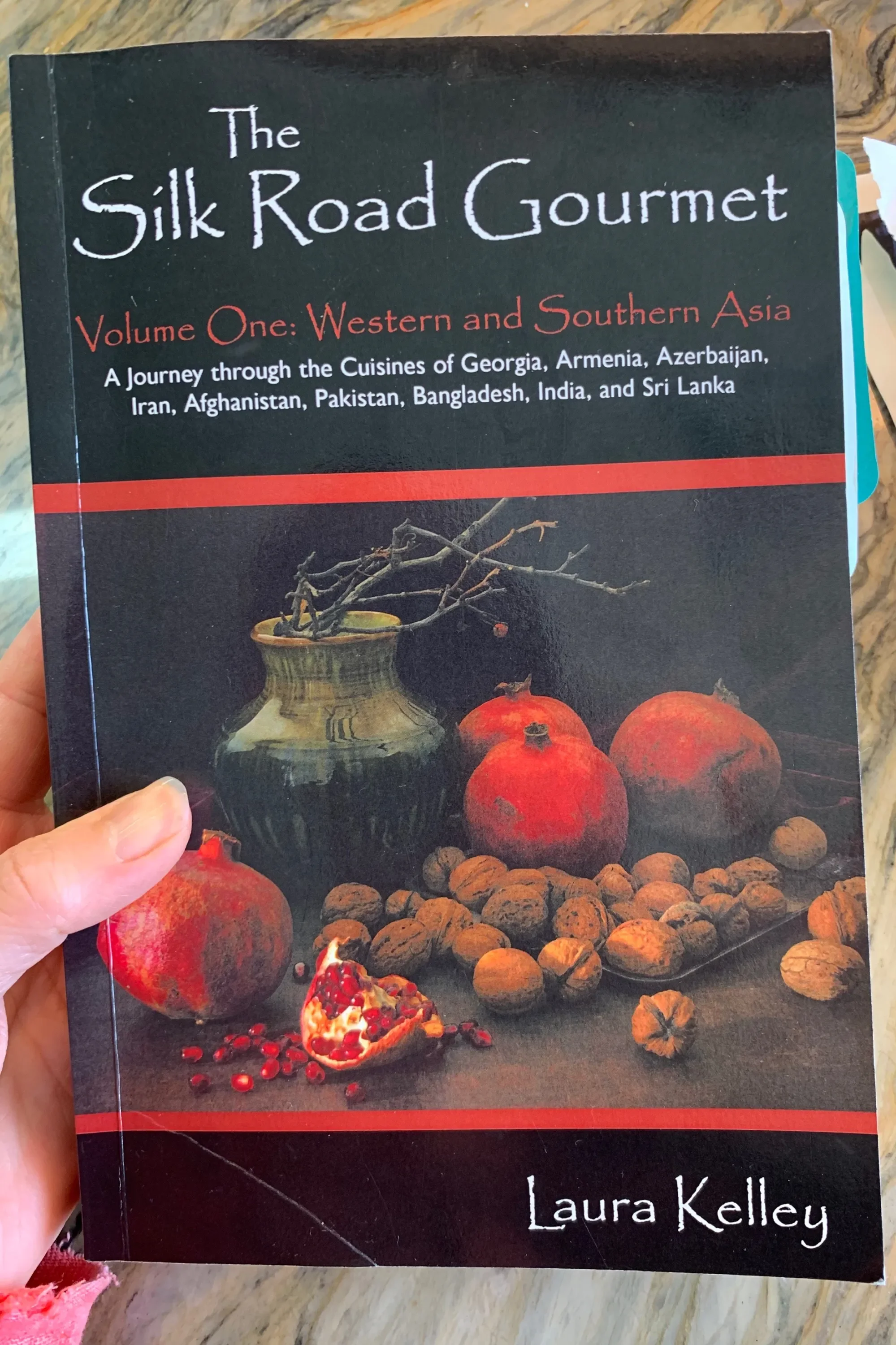
We paired it with orange chicken koresh which is a sweet dish which probably would be better balanced with a plain rice dish, but my children loved the combination. Both recipes are from the book The Silk Road Gourmet by Laura Kelley
-
![]()
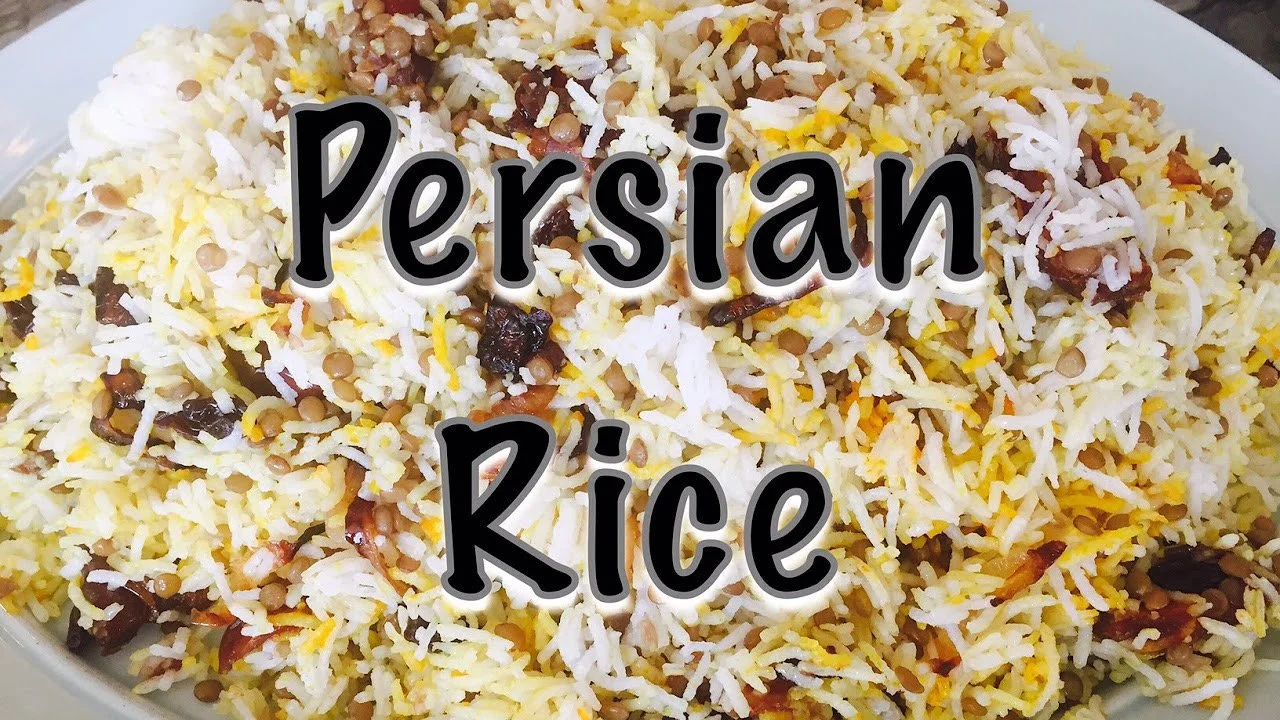
How to Make Persian Rice | Adas Polo
This has got to be the best tastiest rice in the world!! I'm not a fan of rice, but this is one rice dish, I'll gladly eat. Packed with dates, currants, lentils and fried onions, what's not to love?! I season mine with olive oil, grapeseed oil, salt and saffron. Occasionally if I make a whole roasted chicken to go along with this rice, I'll add my secret ingredient: pan drippings!
-
![]()
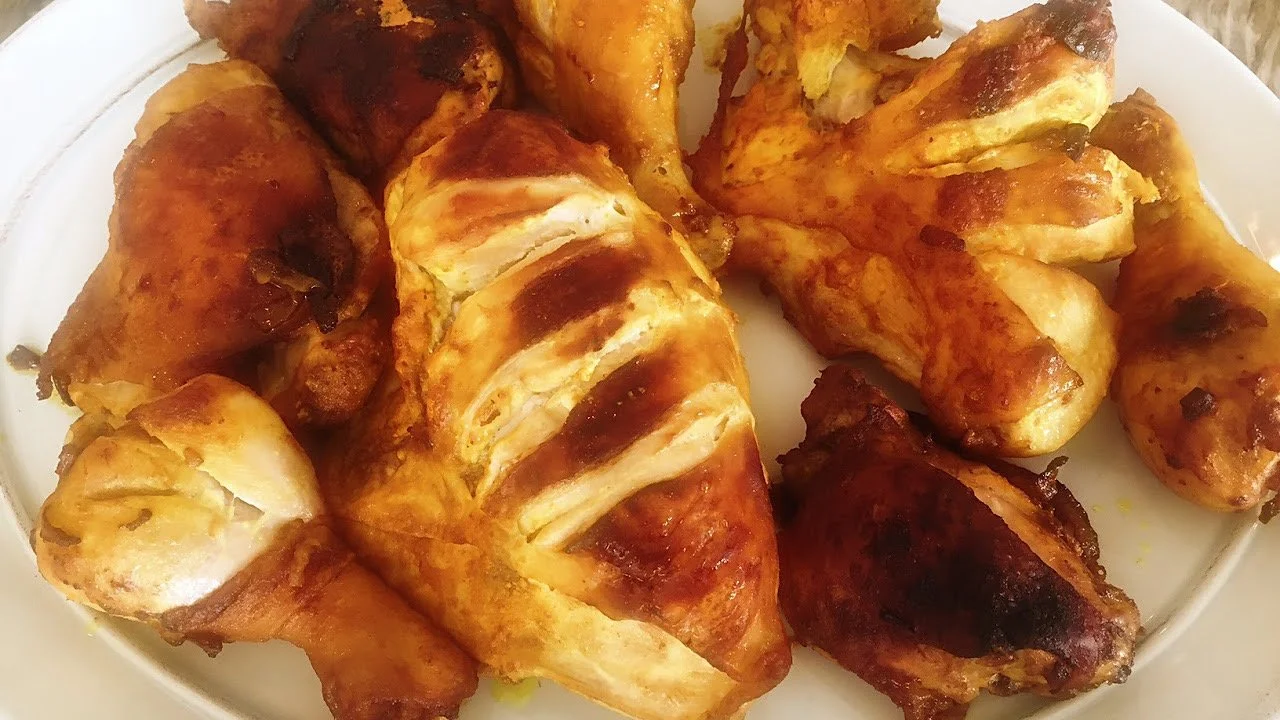
Turmeric Chicken for Adas Polo | Persian Recipe
Did you know turmeric is so good for you? Aside from being an antioxidant, it's full of other other benefits for your body and brain. I tend to overdo my turmeric consumption, and this is one chicken recipe that's full of it! This chicken dish perfectly accompanies Adas Polo, Zeresh Polo and Baghali Polo.
-
![]()
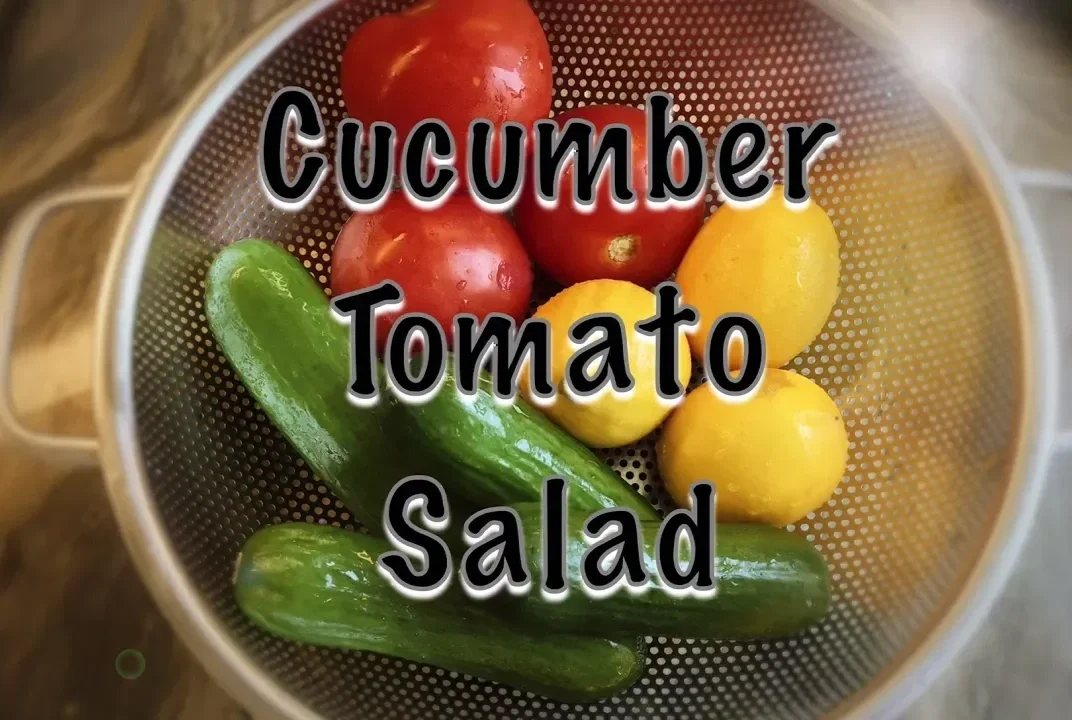
How to make Cucumber Salad | Persian Recipe
This is one of the most refreshing salads you'll ever taste! What I love about Persian food is that the ingredients are simple, flavorful and nourishing. Salad Shirzi or Cucumber Salad as I like to call it accompanies many Persian meals. It's one of two salads you'll typically find on Persian menus, and this one is so easy to make, you'll wonder why you don't have it all the time!!
Persian
Persian
One of the first recipes I learned from my friend, Teyebeh, was Iranian rice and chicken. It was an immediate hit and our family and still after over a decade, I still make adas polo and turmeric chicken often. I have added zeresh polo, kebabs and other recipes over the years, but the original rice, chicken yogurt and salad recipe remain a family and friends favorite. These dishes may be prepared a few hours before guests arrive and stored on warm in the oven. Or, in some cases, just on the counter! The rice just seems to get tastier the longer those delicious flavors mix together.
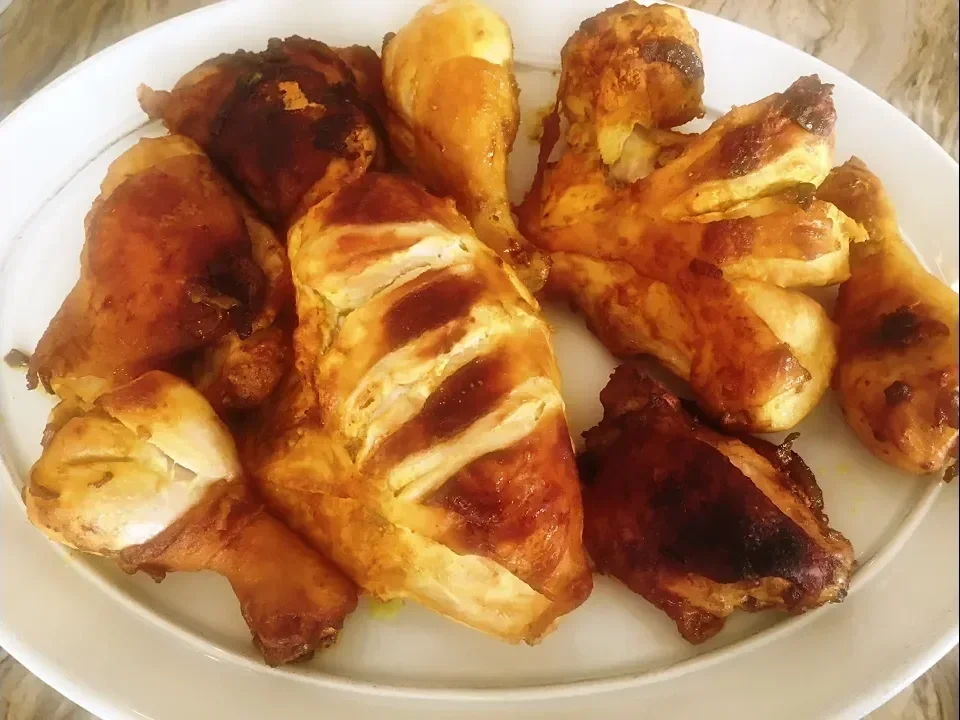
Turmeric Chicken
Did you know turmeric is so good for you? Aside from being an antioxidant, it’s full of other other benefits for your body and brain. I tend to overdo my turmeric consumption, and this is one chicken recipe that’s full of it! This chicken dish perfectly accompanies Adas Polo, Zeresh Polo and Baghia Polo.
Ingredient:
Onion (sliced)
Chicken (pieces with skin on)
salt (to taste)
oil (grapeseed oil and olive oil)
turmeric (1-2 Tablespoons)
optional: saffron (pinch)
Directions: Saute 1-2 onions in oil until translucent or even a bit more. Place chicken in the pan with onions, skin side down. Add oil as needed. Season with salt and generous amounts of turmeric. Brown chicken on both sides. Sprinkle with ground saffron. Add about 1/2-1 cup of water after about 5-10 minutes. Transfer browned chicken to baking tray. Be sure to get all the pan drippings onto the chicken. Add 1/2 cup of water for a saucier sauce. Bake uncovered for 30-45 minutes uncovered if skin is on or covered if skin is off. Serve with Adas Polo..
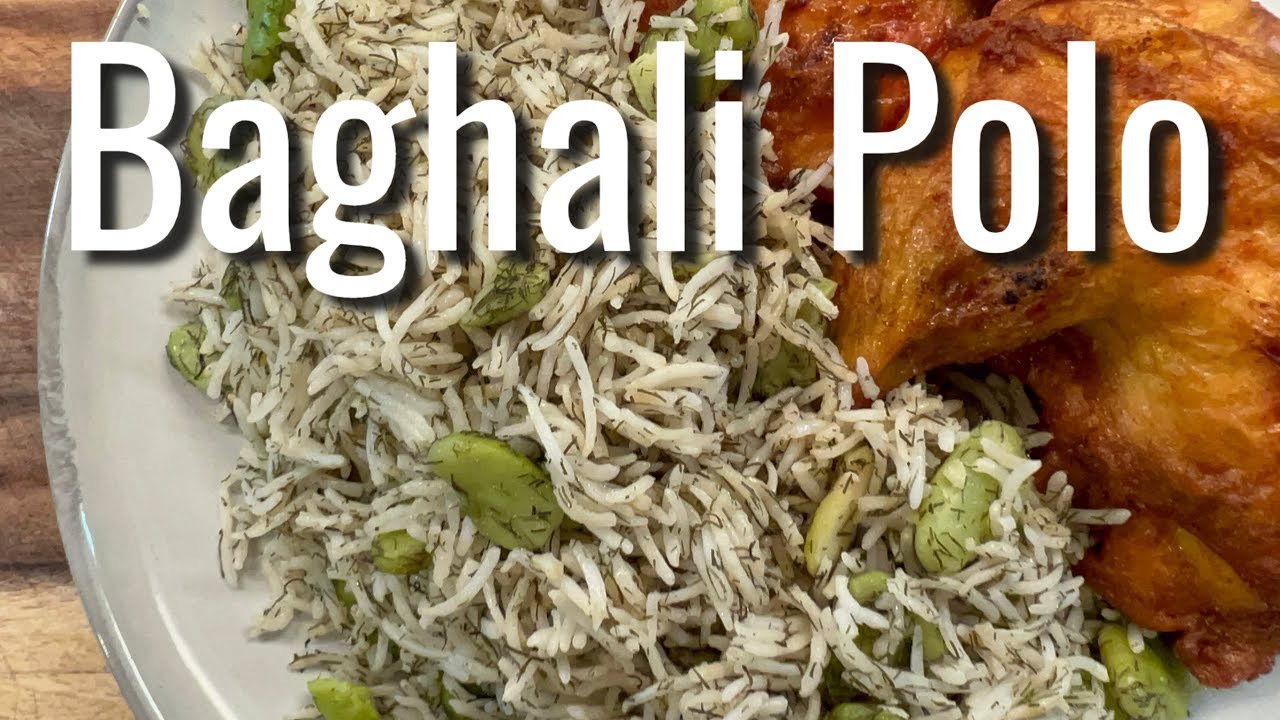
Baghali Polo | Persian Rice with Dill Weed and Fava Beans
Nearly all my Persian recipes come from my friend Teyebeh who often gets from her mom, and I'll take a good guess and assume she gets them from her mom. What's special about this is that you'll find tips and techniques that fall through the cracks when finding recipes in cookbooks or other ways. What I've learned from watching my friends prepare food is the special technique whether is be how to slice an onion or broil chicken before baking that sets learning from someone apart from learning from a book. What I learned from my friend, Teyebeh, for this recipe is the importance of gently layering the fava beans and dill weed on each layer of rice to avoid rice breakage and for maximum flavor.
Here's the recipe! I hope you enjoy it.
Please know that the water to rice ratio varies depending on whether you are cooking on the stove, cooking with an open pot, boiling your rice and draining or using your Instant Pot. Some trial and error is possible.
3 cups basmati rice (long grain is best and parboiled works well for wet recipes or for prolonged soaking and Instant Pot cooking)
rinse and soak
3 cups of water
1-2 tablespoons of olive oil/grapeseed oil
1 sprinkle of salt
Use "Rice" setting on Instant Pot
While the rice is cooking, bring to a simmer one bag of frozen peeled green fava beans
Time to layer rice, salt, olive oil, generous amount of dill weed and fava beans. Repeat until each layer is complete. Gentle toss to mix everything together taking care not to break the rice grains.
Persian Rice | Adas Polo
This has got to be the best tastiest rice in the world!! I’m not a fan of rice, but this is one rice dish, I’ll gladly eat. Packed with dates, currants, lentils and fried onions, what’s not to love?! I season mine with olive oil, grapeseed oil, salt and saffron. Occasionally if I make a whole roasted chicken to go along with this rice, I’ll add my secret ingredient: pan drippings! It’s amazing. And if you leave out the pan drippings, this rice dish is vegan.
Ingredients:
1 cup brown lentils 3-4 cups basmati rice (you can adjust proportions)
2 cups dates (cut in half or thirds)
2 onions (sliced and fried)
1/2-3/4 cup of currants
salt,
grapeseed oil,
olive oil and
saffron
Boil lentils for 20-30 minutes until soft and just splitting, but do not overcook. In a separate pot, boil water in excess of rice. We are going to drain the rice, so the rice needs room to move when the water has boiled. If you want to soak your rice, you can soak it and rinse it several times for an hour and up to overnight in the refrigerator. Being that I’m lazy, I usually skip this. Also, I usually don’t wait for my water to boil before putting it in the water, lol, but you can wait until the water is boiling before adding the rice. You can salt the water as well. When the rice is cooked ‘al dente’, where it’s just done, but not too soft, you can drain the rice. This takes about 15 minutes. Be sure to test the rice from 10 minutes on. You do NOT want overcooked rice.
In the meantime, fry two onions in oil (I like grapeseed oil). This takes about 15 minutes. You want them very brown, but not burnt. Use extra oil to ensure they won’t burn. At the end of the browning process you can add olive oil to taste. Pit and slice dates. I like to lightly fry the dates and currants in the leftover oil from the onions. Be sure to watch them closely as currants will burn fast. Add a bit of ground saffron. Time to assembled the rice: Add a small ‘mountain’ of rice at the bottom or a large pot. Top with dates, currants, onions and lentils. Add layer of rice. Add sprinkling of salt, ground saffron, grapeseed oil and olive oil. Repeat till all ingredients are used up. Let sit for a few minutes so the flavors can mingle and for the saffron to color the rice. Then toss in the pot by flipping the pot towards you. Avoid mixing using a spoon. You do not want to break the rice. If your rice need a little more time to soften, put the lid on and leave it for 10 minutes. Serve with chicken or on it’s own.
Persian Chickpea and Dill Rice Pilaf
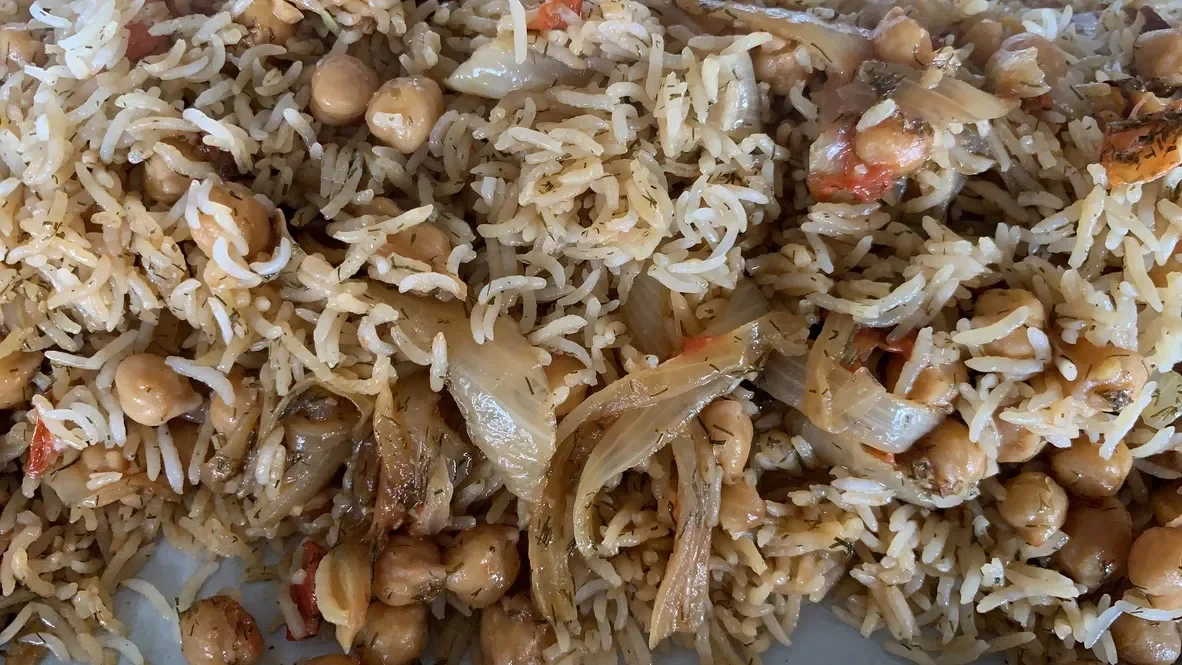
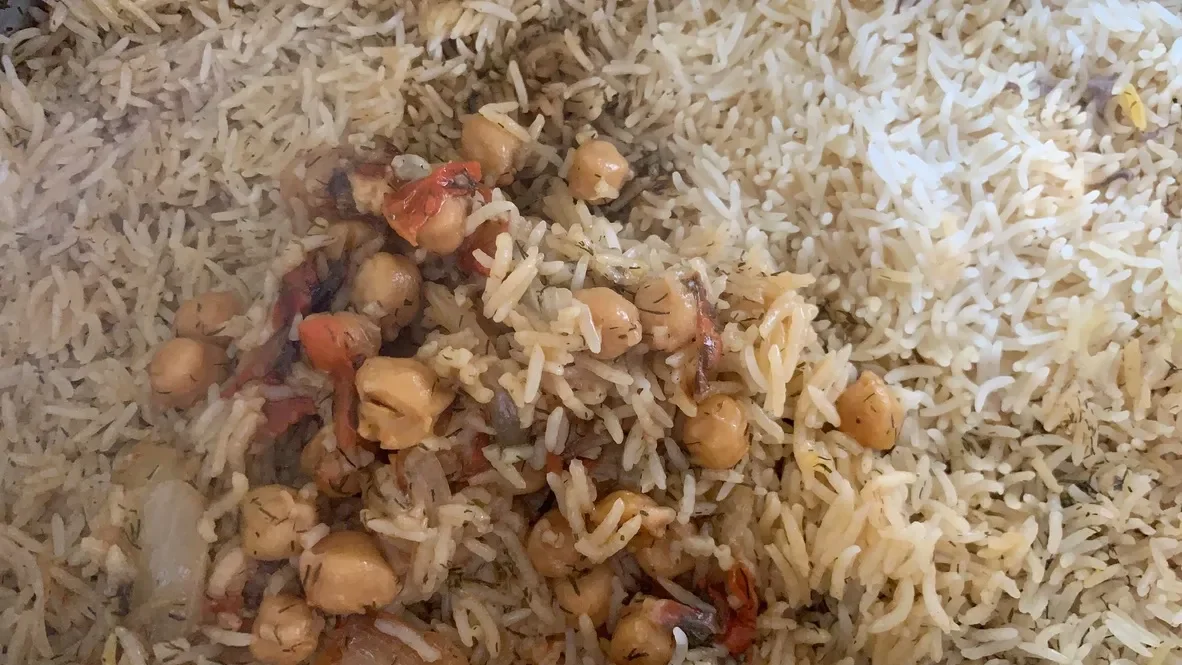
As a self proclaimed "Not-a-Rice-Fan", I do make the exception when it comes to Persian rices. They are my favorite and this one did not disappoint. I also don't care for chickpeas, but when paired with light basmati rice, onions and tomatoes, this rice recipe becomes a meal unto itself. With a slight modification of the recipe, you can make this a vegan or vegetarian recipe easily. As it's written it calls for chicken broth which infuses the rice with rich flavor that is balanced by the addition of lemon and tomatoes. Onions impart flavor whether they are raw, cooked, sauteed or fried. With a base of tomatoes, onions and garbanzo beans, the rice sits safely on top as the steam cooks the rice to perfection. This recipe was such a hit that my family requested it three days in a row after making it for the first time.
We paired it with orange chicken koresh which is a sweet dish which probably would be better balanced with a plain rice dish, but my children loved the combination. Both recipes are from the book The Silk Road Gourmet by Laura Kelley. We are using this book as part of our Silk Road unit study for homeschool and are loving the recipes we are trying out from this book. It contains recipes from several different countries along the ancient Silk Road like Iran, Sri Lanka, Armenia and more.
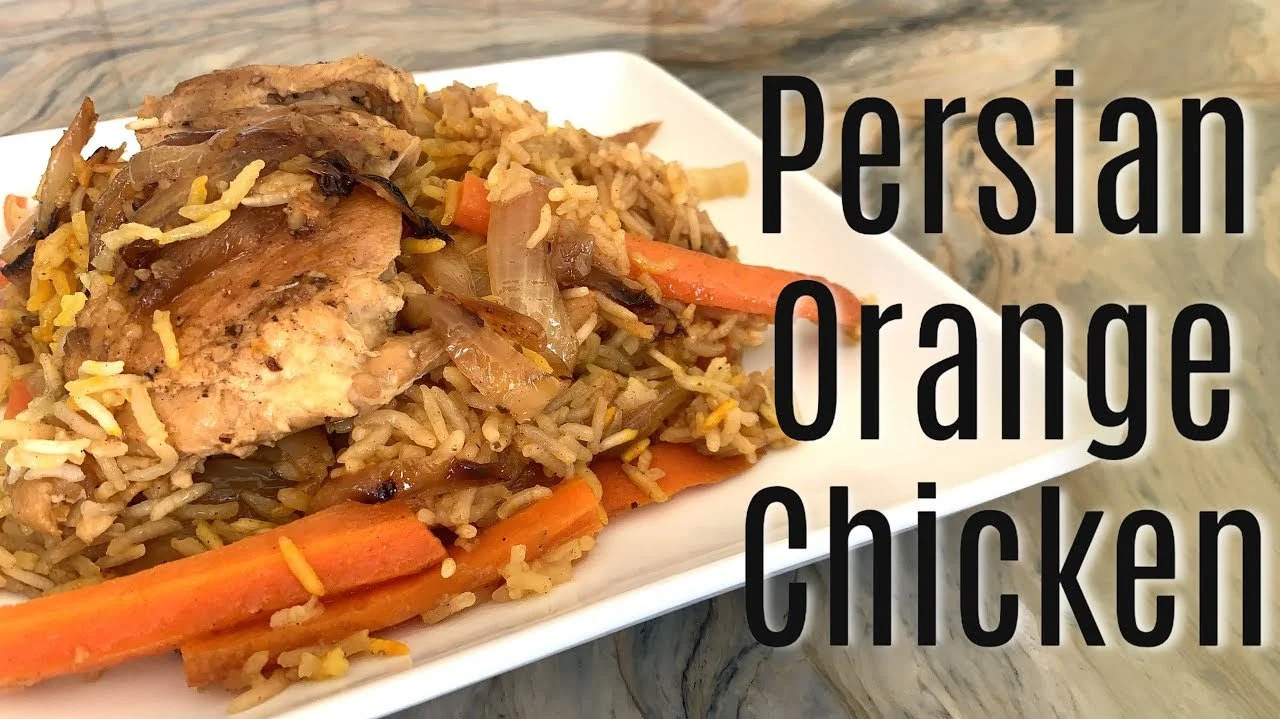
Persian Orange Chicken Koresh
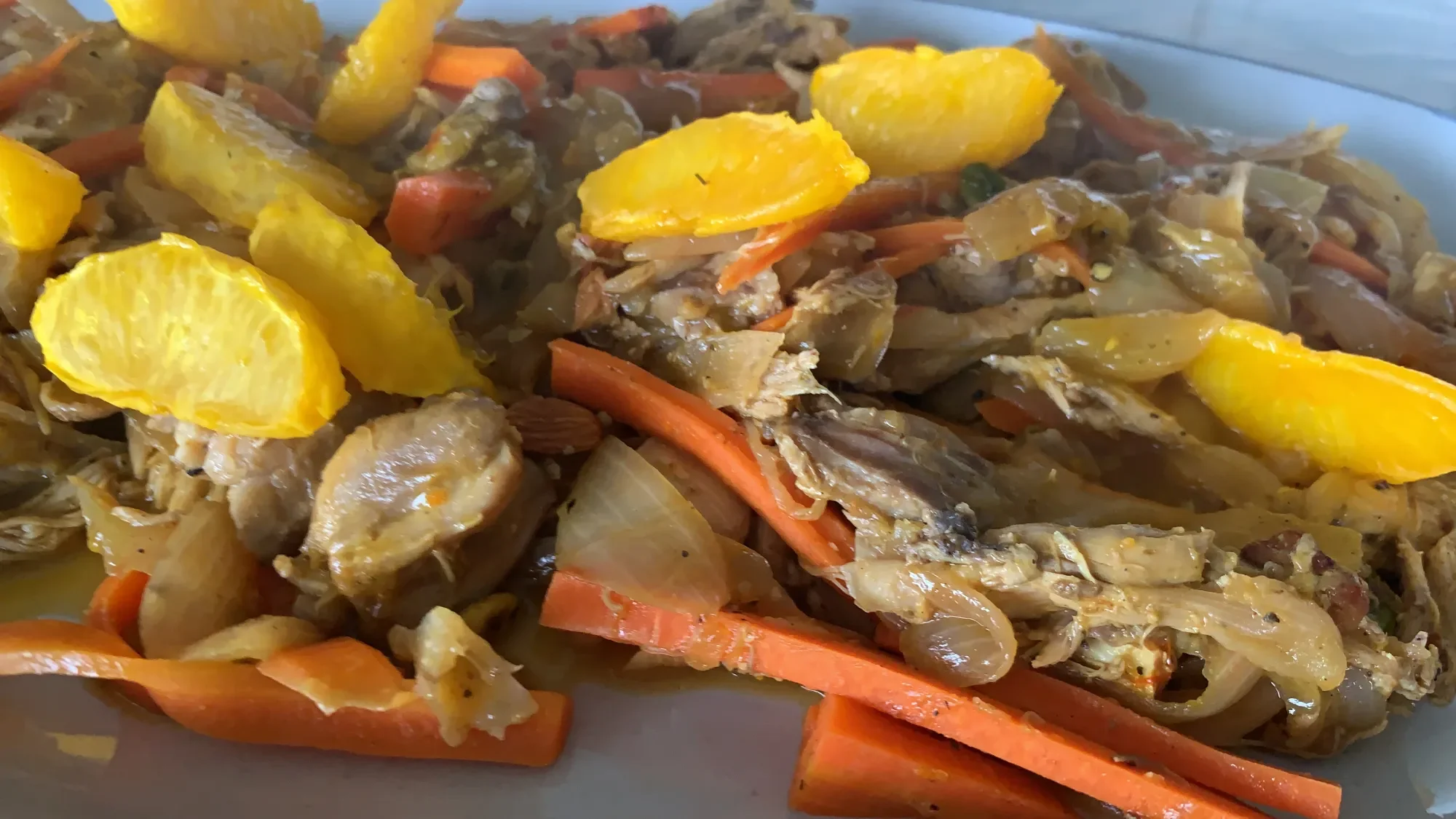
I do love adding sweet to savory and even like orange flavored Chinese chicken, but I didn't seem to like this dish quite as much. However, my 18-year-old son said it was the best chicken I ever made. So the following day, I made the recipe again and cut down on the orange accents.
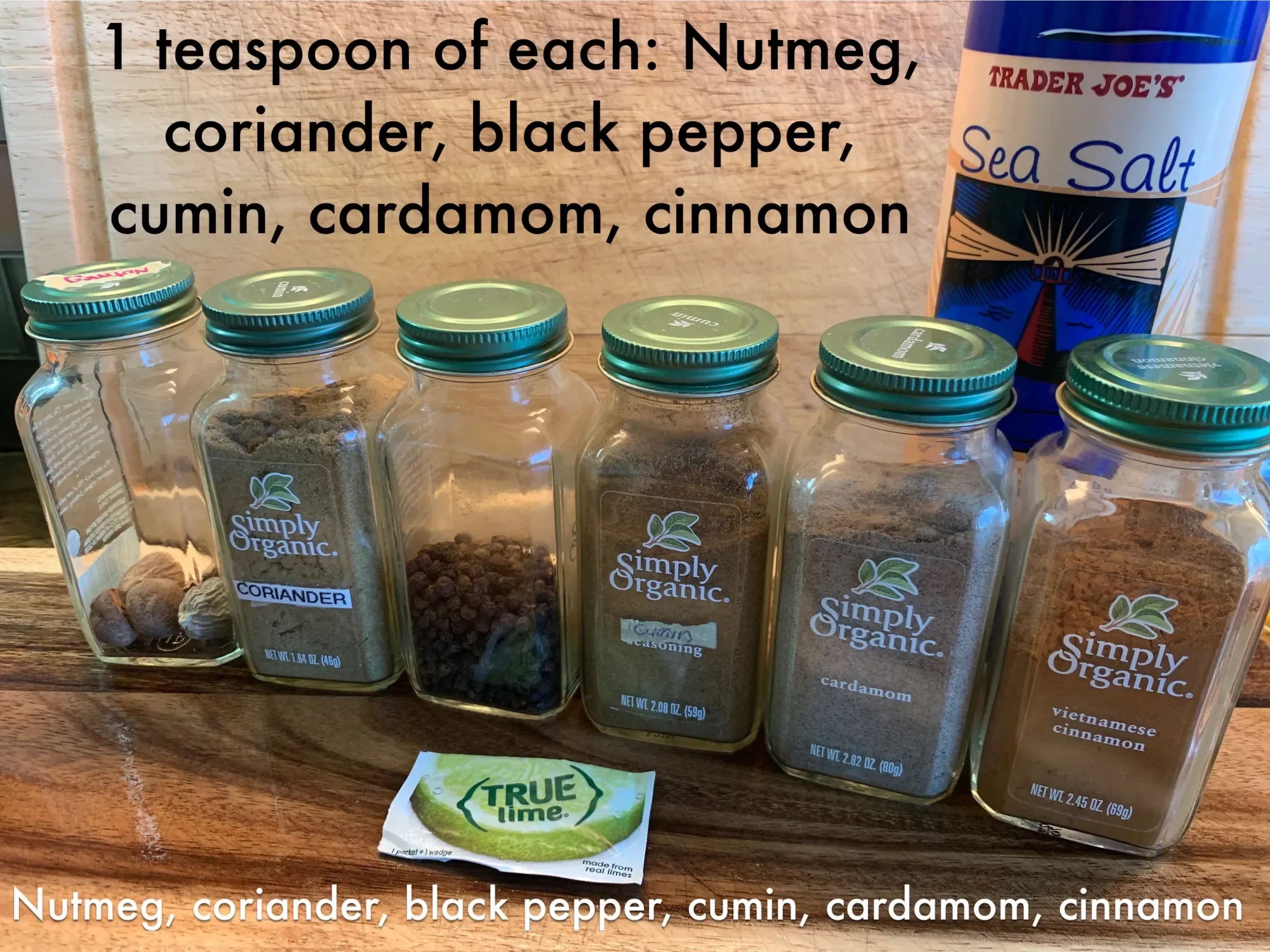
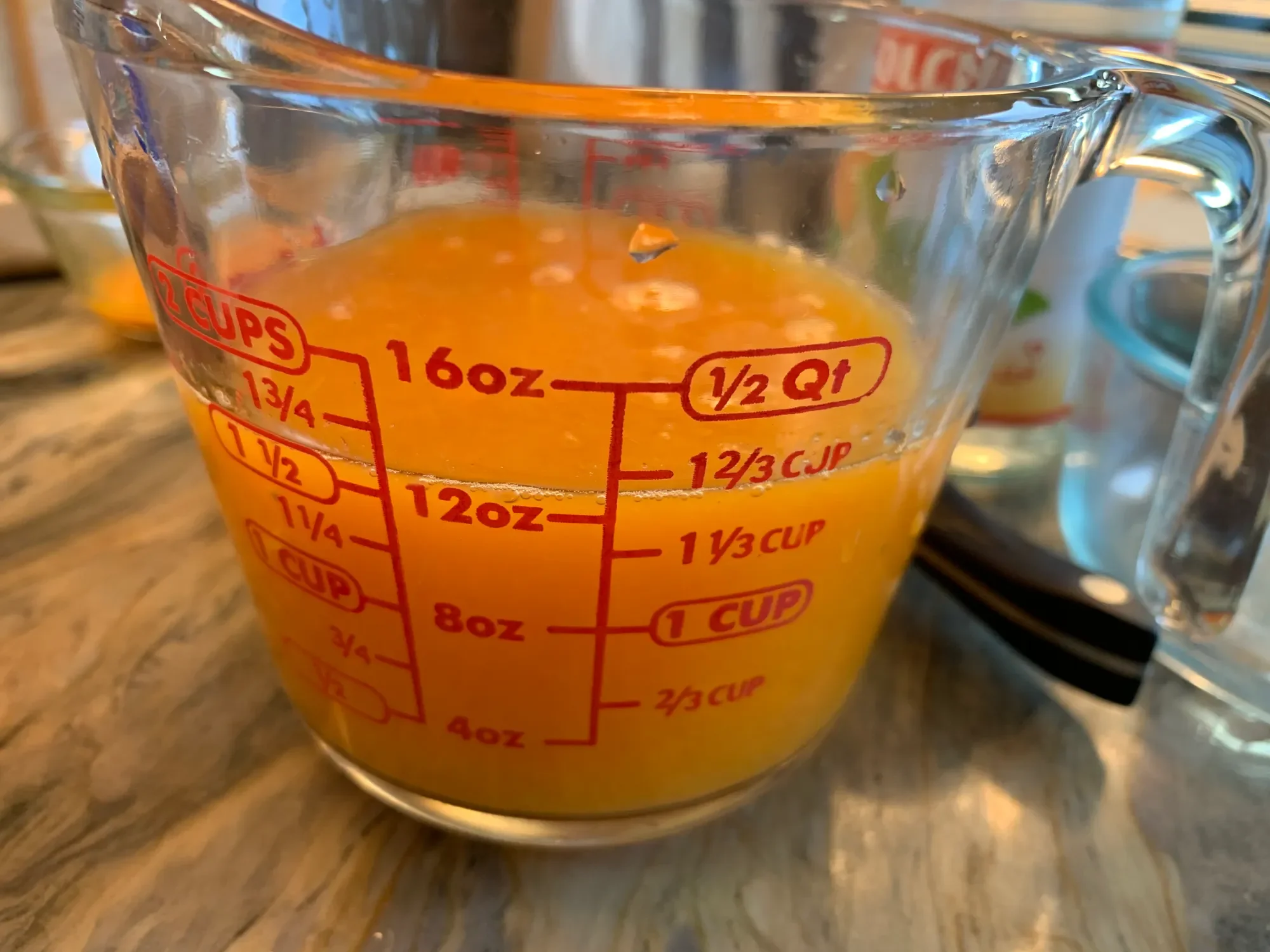
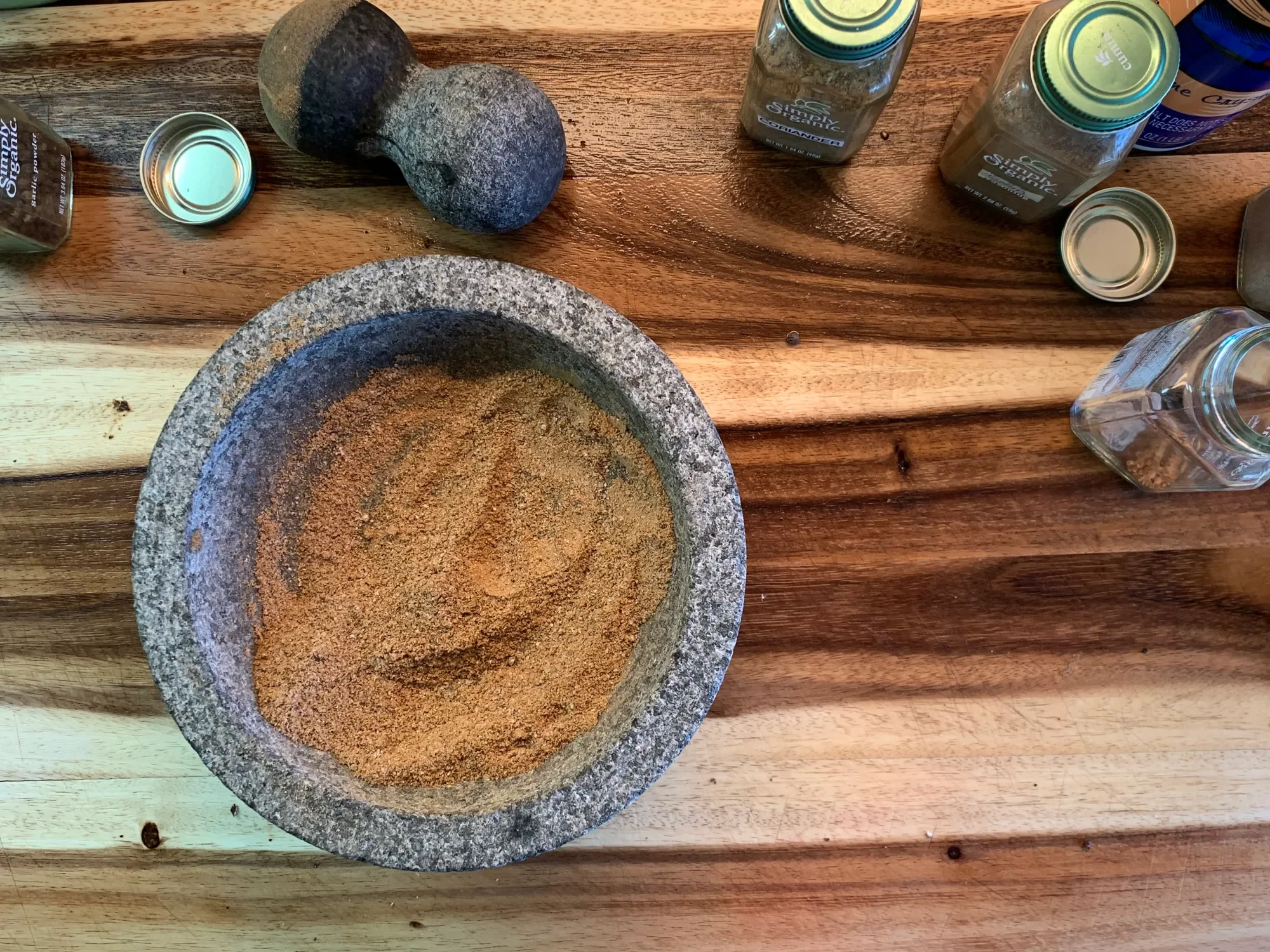
I left off the orange segments which garnished the dish (and of which I used only 1/6 of what the recipe called for), but still I wasn't satisfied. I think for my next attempt, I'll skip the boiled chicken (my alteration of the recipe) and stick to chicken breast as the recipe called for. I didn't have Persian lime powder, so I used two alternatives together to make up for the loss. Overall this recipe was deeply flavorful and textured and was a needed departure from our typical chicken recipes.
This recipe is from The Silk Road Gourmet by Laura Kelley and we have been using this book as inspiration for our Silk Road main lesson block in homeschool. We love adding regional and historical recipes when doing our history units and this book has been a gem. It covers several countries including Azerbaijan, India, Bangladesh and more.
We paired our orange chicken koresh (page 130-131) with another Iranian recipe: Chickpea and Dill Rice Pilaf found on page 111 in the book. While both recipes are flavorful, I feel there would be better paired with plain dishes (plain rice with the orange chicken and plain chicken with the chickpea rice), however my children loved the combination and asked for the chicken again the following day and the day after that. The book didn't pair these recipes together, it was my own thought to do so.
Together, the cooking time was nearly 3 hours to make the chicken and rice dish. The second day I made this, the cooking time was just over an hour. If you use canned chickpeas and chicken breast as the recipe calls for rather than boiling a chicken, I think you could get your cooking time down even further.



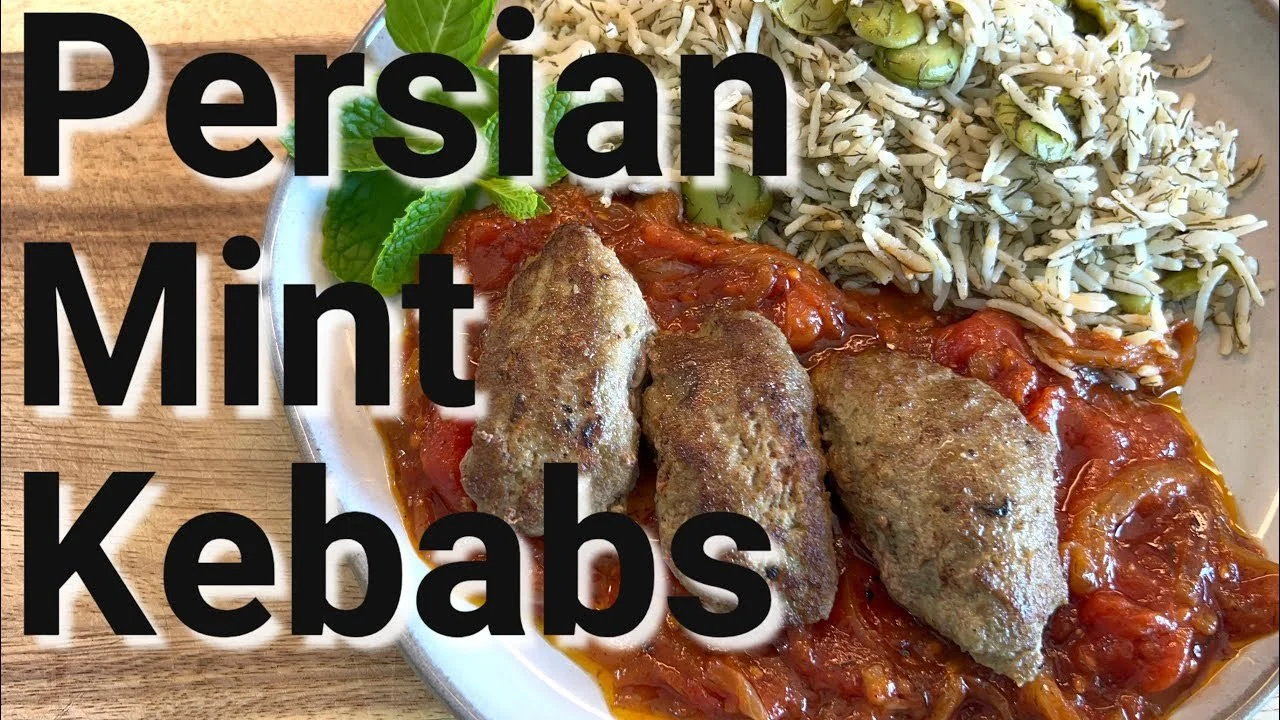
Persian Mint Meatballs
This recipe is from the book The New Persian Kitchen by Louisa Shafia. We do a lot of cooking anyway, but especially with our homeschooling. While doing our ancient Persia lessons, we got this and other Persian cookbooks to try some new recipes.
This recipe calls for soaked uncooked rice. It's the first time I tried this and I may have done it wrong or misread the recipe because that part wasn't super well received by my children. They could feel the granules of rice that didn't blend well.
The one thing that turned out amazing was the tomato sauce!
That recipe is one we've made again since, but we paired it with a different meat dish.
Tomato sauce:
Sauté half a large sliced onion in grapeseed oil
Add one can of tomatoes: I used whole tomatoes, with 1-2 teaspoons of dried dill weed, 1 teaspoon of cinnamon and 1 teaspoon of turmeric. Season with salt and pepper and cook everything through.
Meatballs:
1 pound of ground lamb, 1 egg, season with salt and pepper. Blend half onion with 6 garlic cloves, and 1 bunch of mint. Mix thoroughly together.
Form into meatballs or kebabs and cook thoroughly and browned on outside before serving with tomato sauce and basmati or baghali polo rice.
Tomato & Cucumber Salad
This is one of the most refreshing salads you’ll ever taste! What I love about Persian food is that the ingredients are simple, flavorful and nourishing. Salad Shirzi or Cucumber Salad as I like to call it accompanies many Persian meals. It’s one of two salads you’ll typically find on Persian menus, and this one is so easy to make, you’ll wonder why you don’t have it all the time!!
You can make this as big or small as you like it and with whatever ratio you want, but if you want a basic guideline, here it goes:
2 Persian cucumbers
1 medium flavorful tomato
1 lemon
salt to taste
olive oil optional
That’s it!! One thing to note about this salad is that the cucumbers are finely diced. It really does matter how you cut them if you want to be authentic 🙂 The tomatoes are also finely diced, but not as small or they’ll turn to mush. The flavor of the tomatoes matters. Try your best to find ripe, firm and good tasting tomatoes.
For this recipe, avoid the cherry tomatoes and grape tomatoes. As tempting as it will be to use them, the sweet tart taste of cherry tomatoes overpowers the other other flavors. Of course, you may do as you wish!! Lemon is really important in this recipe. If your lemons are not juicy, use more. You can’t overdo it on the lemons, so squeeze away! The more the better. And did I mention how good lemons are for you? They are cleansing and detoxifying, so use as many as you can. Persian cucumbers may be a novelty at most grocery stores, so if you can’t get them, English cucumbers are a good alternative. If you must use the standard cucumbers, then I recommend peeling them, but otherwise, for the Persian and English ones, keep the skin on. Add salt to taste, but if you are making this in advance, don’t salt until close to serving time. The salt extracts the liquid from the tomatoes and cucumbers, and you will be left with a bland salad if you salt it too early.