Waldorf Homeschool Kindergarten
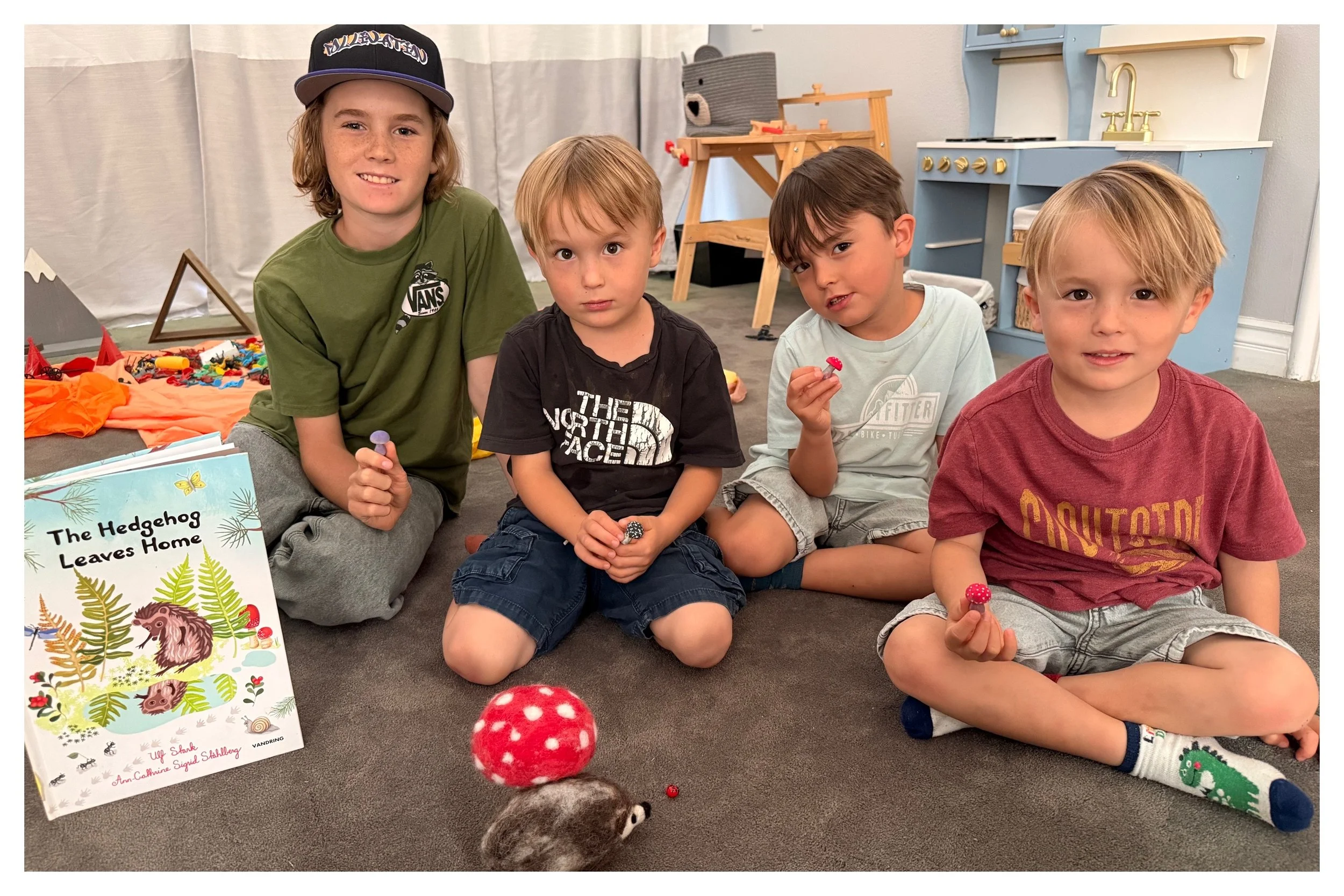
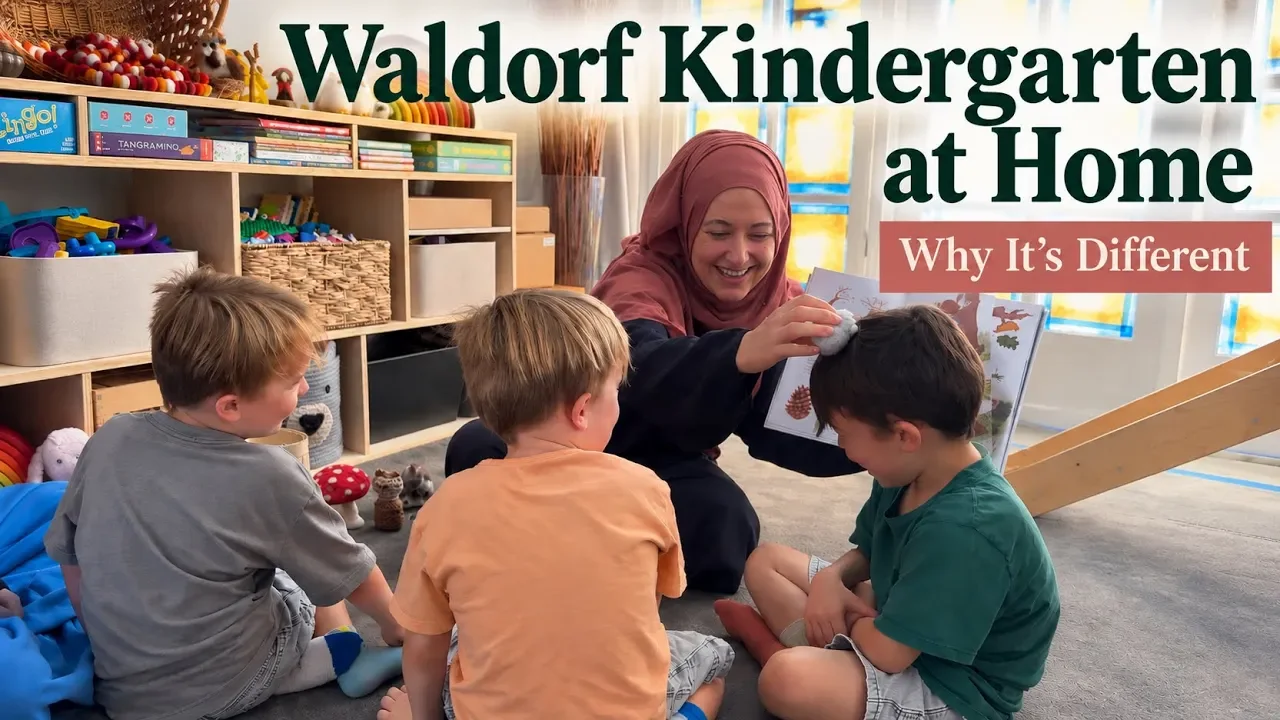
This year, 2026-2027, I have the pleasure and honor of homeschooling my triplet nephews who are 4 years old for a Waldorf inspired Kindergarten homeschool 2-3 hours a day for 2 days a week. Their 11-year-old brother joins us in the projects and in his own lessons as well.
Waldorf Kindergaten
September is marked by building new relationships, establishing rhythms and routines and taking the time to observe the children, their development and their interactions.
Waldorf Kindergarten
-
![]()
September
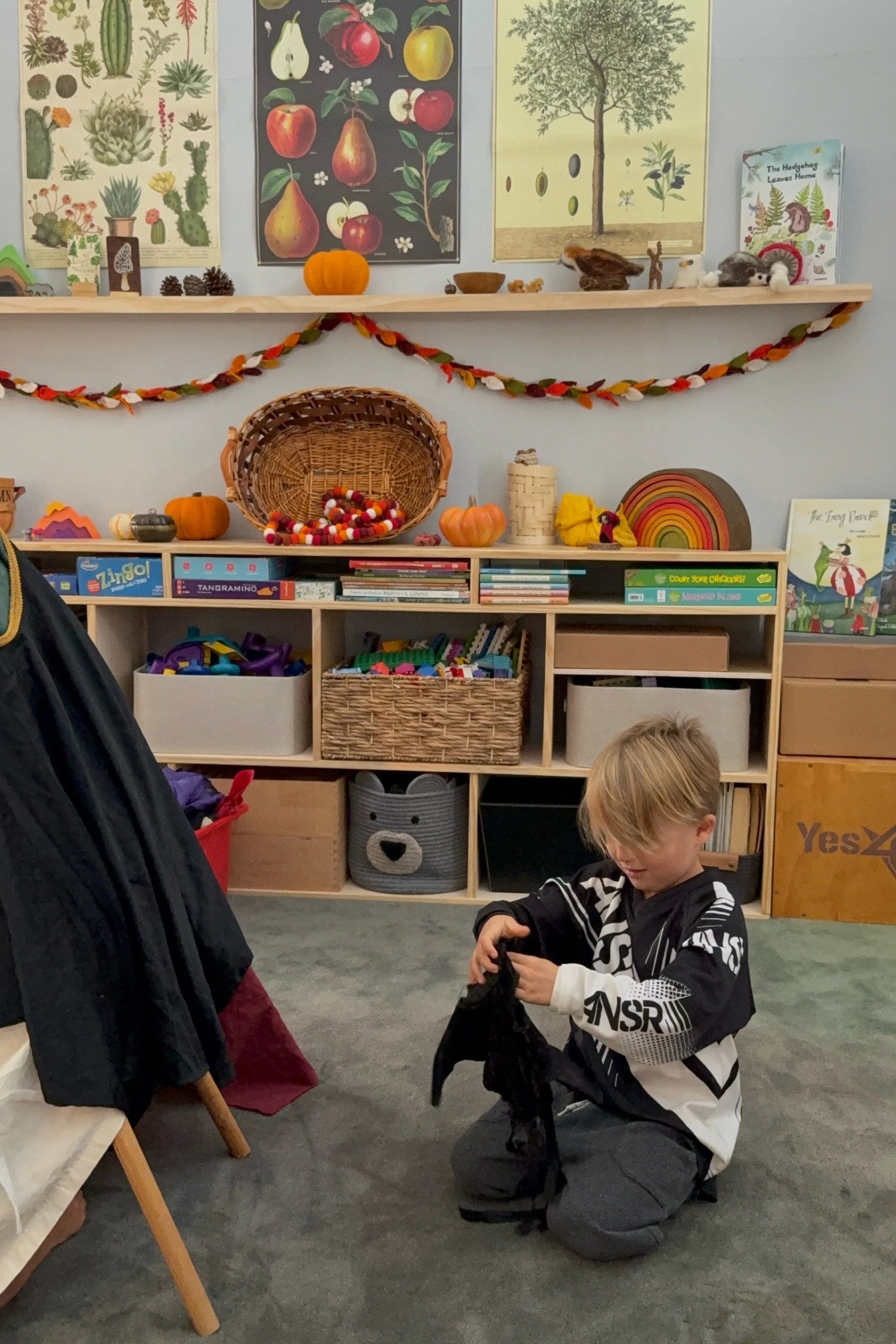
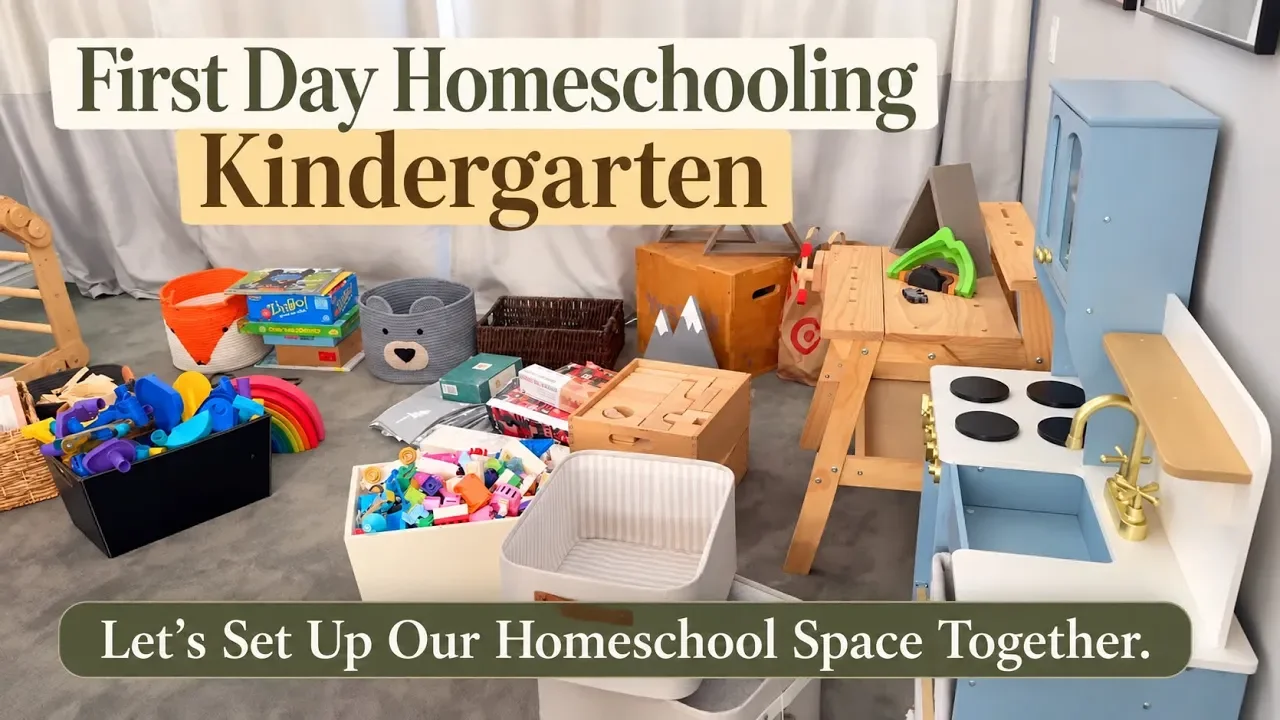
September marks ‘Back to School’ and for these little ones it marks the beginning of a brand new adventure. We got a head start in mid August, but nothing was ready! That was partly intentional. I wanted the preparing of the kindergarten space to be a group activity. While it didn’t completely go as planned, we did add to and decorate our unused formal dining room so that each time the children came, they discovered something new.
-
![]()
October
Every October, we seem to get a stretch of 80- or 90-degree weather, and every year we find ourselves saying, “It’s October!” while summer still feels persistently here. We look for signs of fall at the park while still taking swims in the ocean. But this year feels different. This is an El Niño year, which often brings the possibility of unexpected rainfall and unpredictable surf, making the transition into fall feel a little less familiar.
-
![]()
November
November is a transition month in Southern California. Our days are getting shorter rapidly, and a cool breeze may finally descend in the late afternoon. Nights become chilly and these are perfect evenings for hot cocoa and a good story.
-
![]()
December
December in Southern California feels like fall. We finally have cooler temperatures and we noticed the bare trees of the sycamores and cottonwoods. We call our mild winters ‘sweatshirt’ weather as we rarely need a jacket. Granted there are those occasional evenings where we feel winter is almost upon us.
-
![]()
January
Winter in Southern California is mild with our rainy month in January. But surprisingly, we get an abundance of sunny days in winter with clear cool weather. However, come May and June, we get cloudy overcast days with foggy mornings the locals call May Gray and June Gloom. But January happens to be a great time to spend time at the beach as the low tides in the winter tend to be especially low and the tide pools are exciting to explore.
-
![]()
February
February is a beautiful time in Southern California. The days are cool in the shade and even cold in the evening, but the midday sun washes away any traces of winter. Visiting the tide pools in winter is ideal! The lowest tides are in the winter and the beaches are lovely and full of treasure.
-
![]()
March
We’ve been gardening all year long, but spring is officially gardening season. Unlike some places, we may start our seedlings outdoors! And now that we have an outdoor space dedicated to garden work, an herb garden and a butterfly garden, the children delight in meaningful work.
August & September
-
![]()
First Day of Kindergarten
Today, Tuesday, August 25, 2026, was our very first day homeschooling my triplet nephews, who are four years old, and I quickly remembered that everything takes more time with younger children, especially when there are three of them. Their older brother joined us for many of the activities, my sister-in-law was here, my daughter helped throughout the day, and together we began what I know is going to be a wonderful season of learning.
-
![]()
2nd Day of Kindergarten
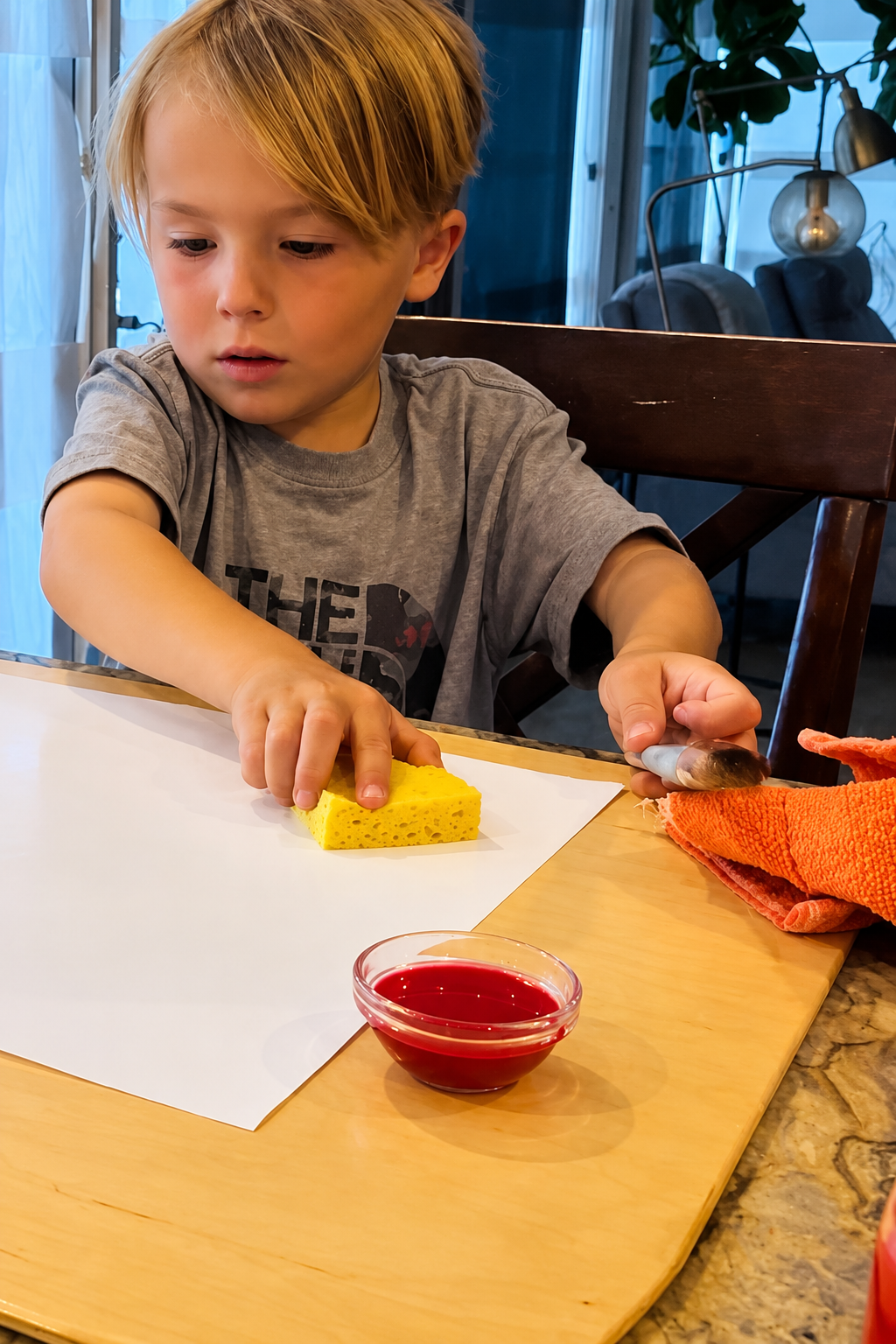
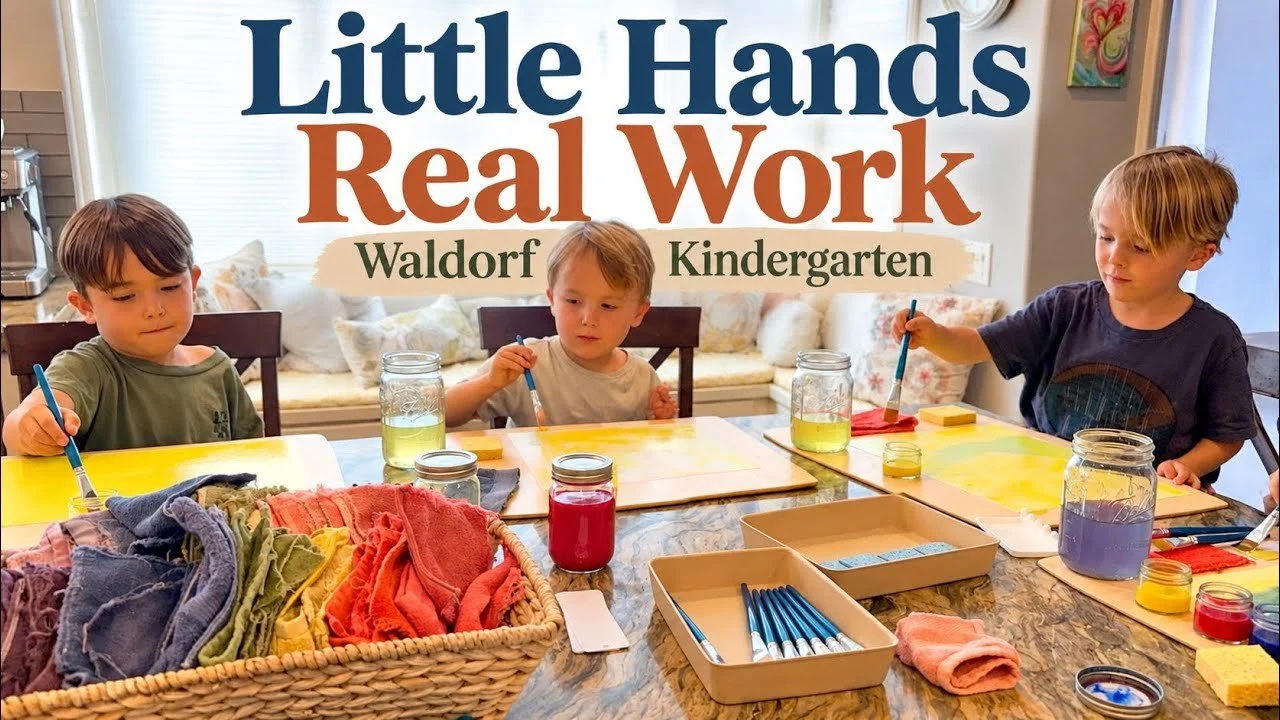
Our second day homeschooling Waldorf-inspired kindergarten was just as joyful as the first, and once again I completely overplanned. I am homeschooling my triplet nephews, who are four years old, along with their 11-year-old brother. We had wet-on-wet watercolor painting planned with beautiful watercolor paper, painting boards, sponges, brushes, and the primary colors ready to go, but we never got to it. And that is perfectly okay because now everything is ready for another day.
-
![]()
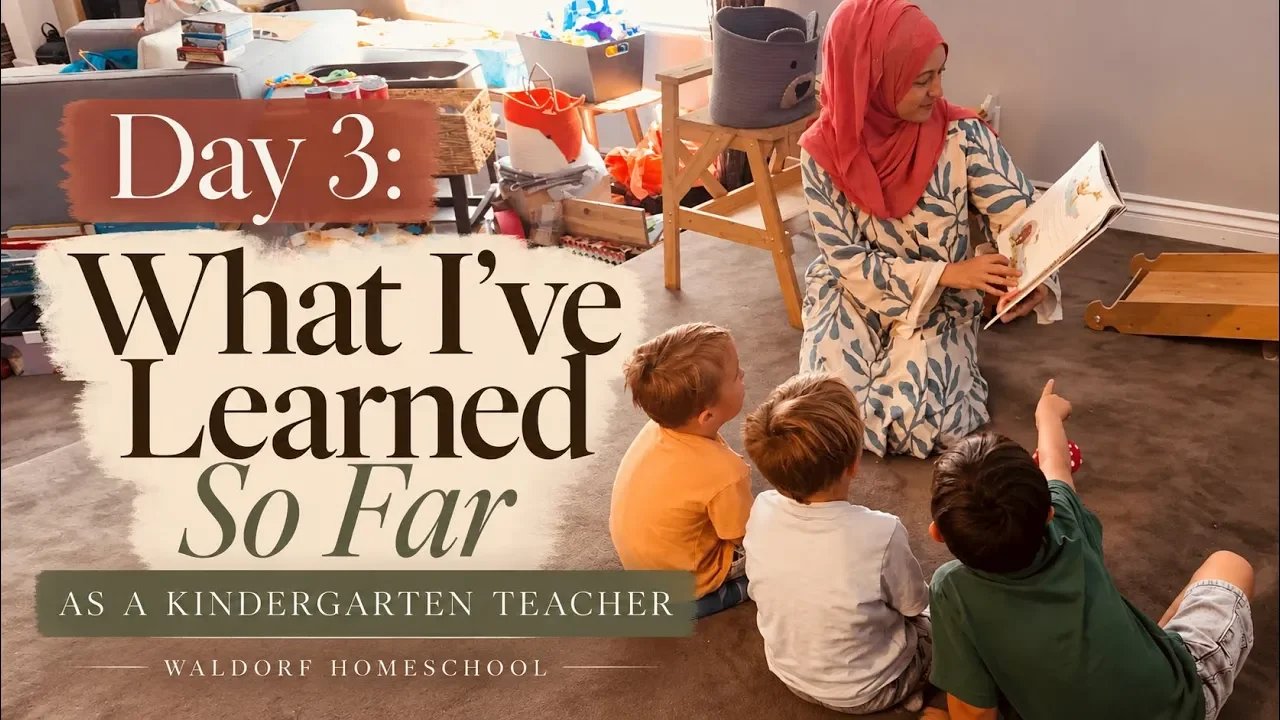
What I've Learned So Far | Day 3
Our third day together reminded me once again that the best kindergarten lessons grow naturally out of everyday life. We started the morning with another batch of our organic decaf cold brew coffee. There was still a little left from our previous lesson, so the triplets enjoyed a small cup before we began our first project of the day.
-
![]()
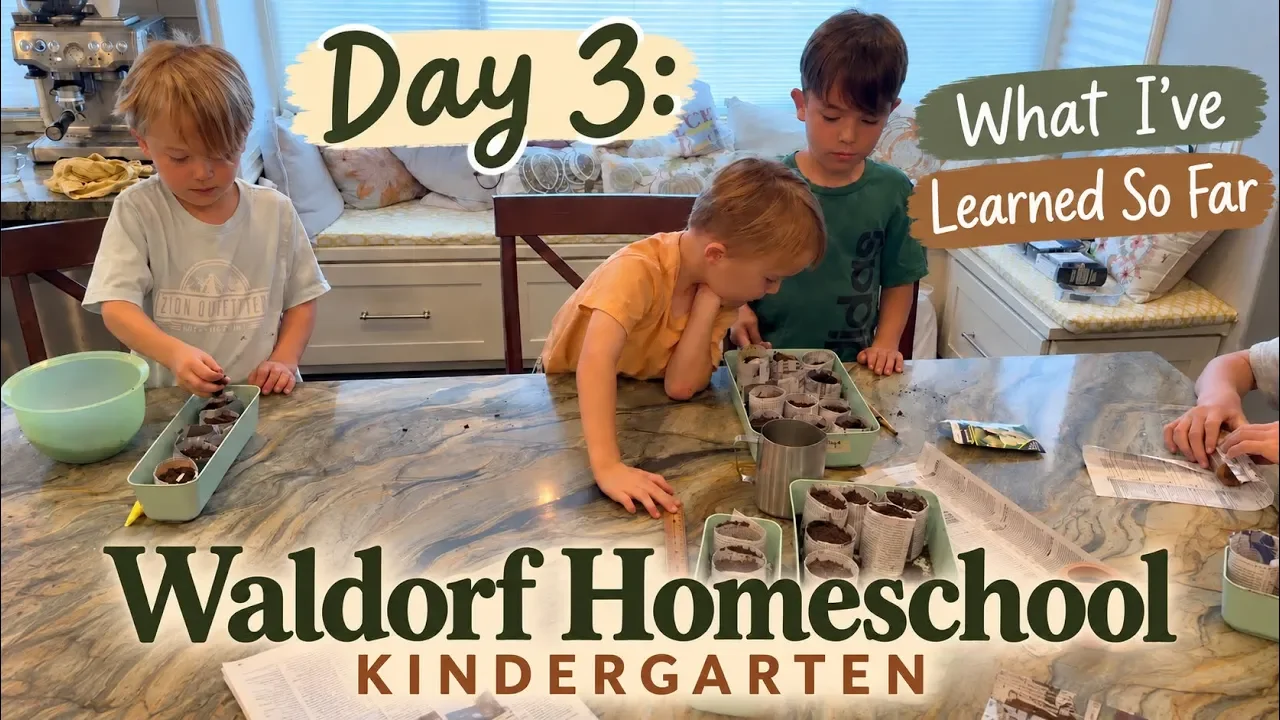
Waldorf Kindergarten Vlog | Day 3
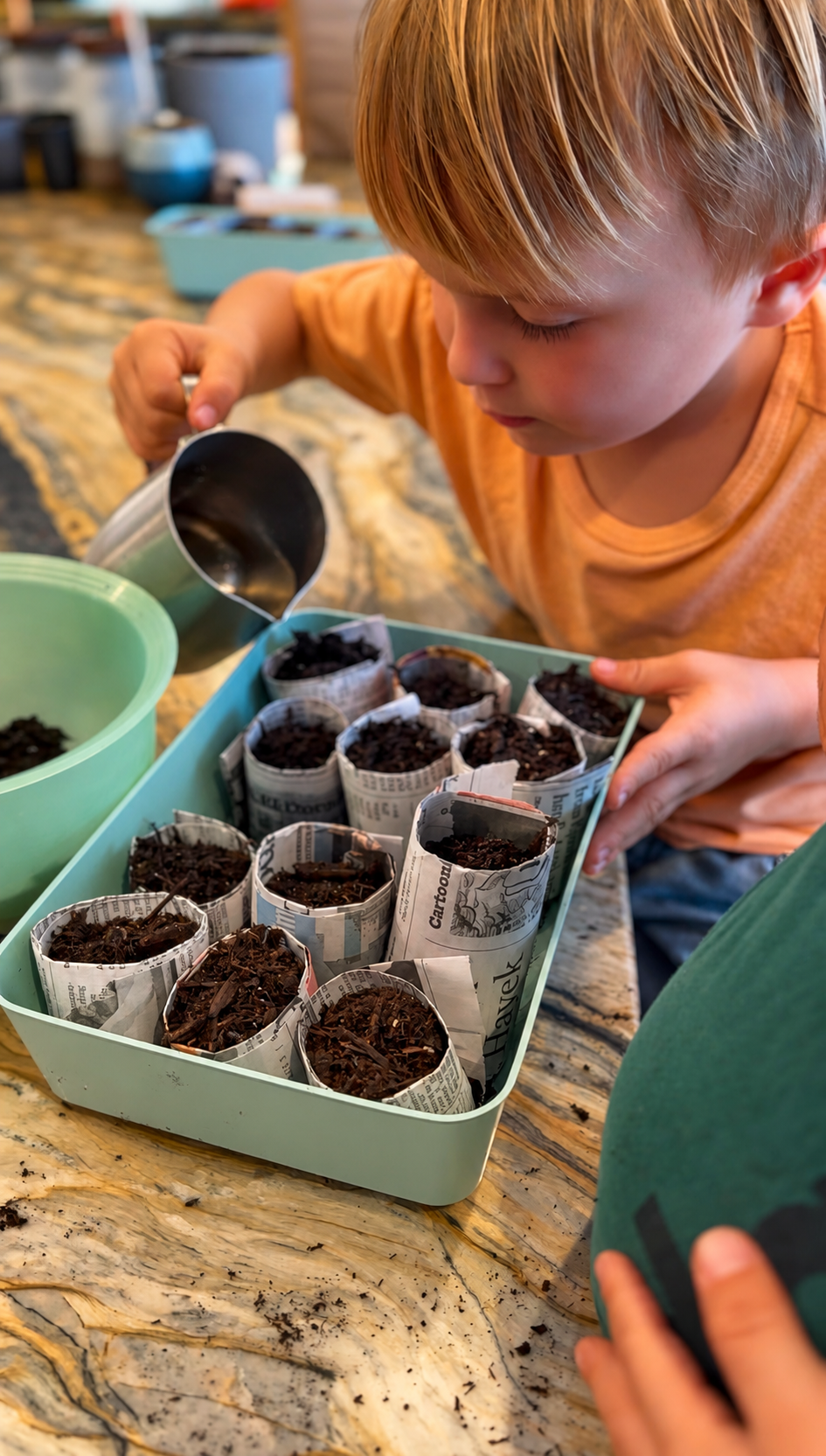
Our main project for the day was gardening. We used a simple tool to make newspaper seedling pots, and my 11-year-old nephew became so proficient that he made nearly 50 of them. My mother was visiting us this week and brought a bag of seeds, so everyone was able to choose what they wanted to plant. The triplets carefully filled their pots with soil, made small holes for their seeds, planted them, and watered them.
-
![]()
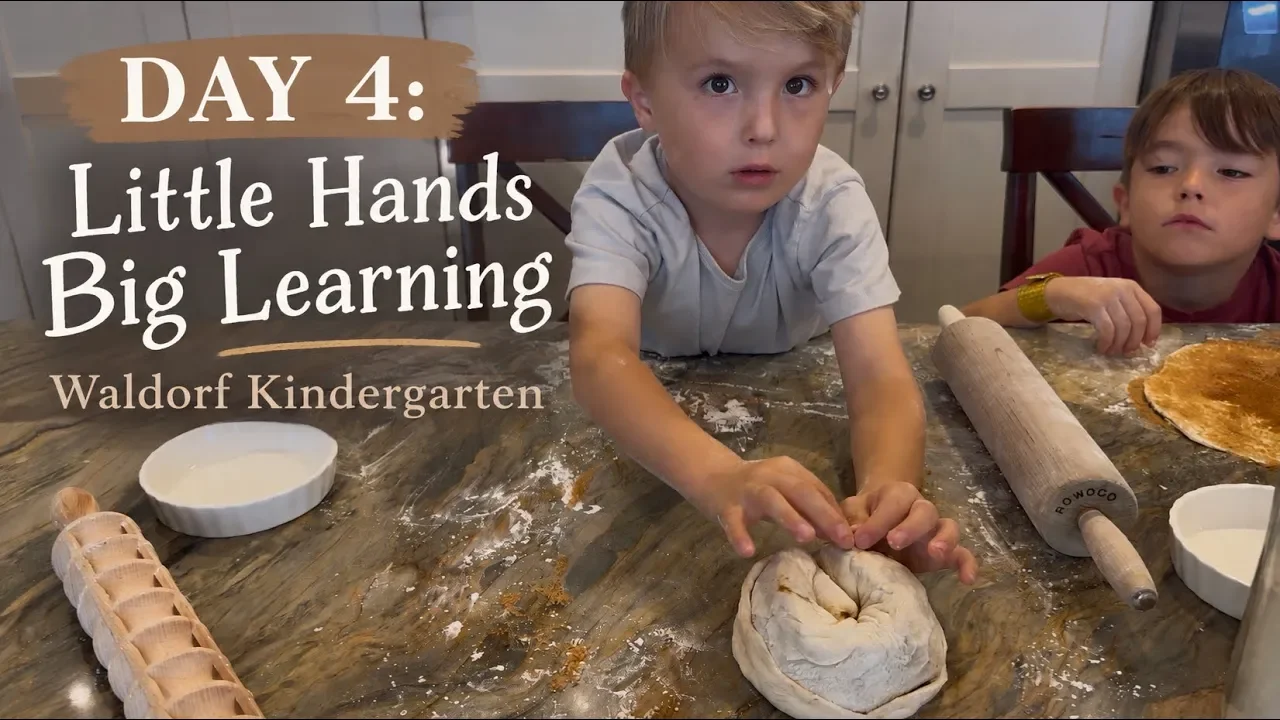
Lesson Plans for Waldorf Kindergarten | Day 4
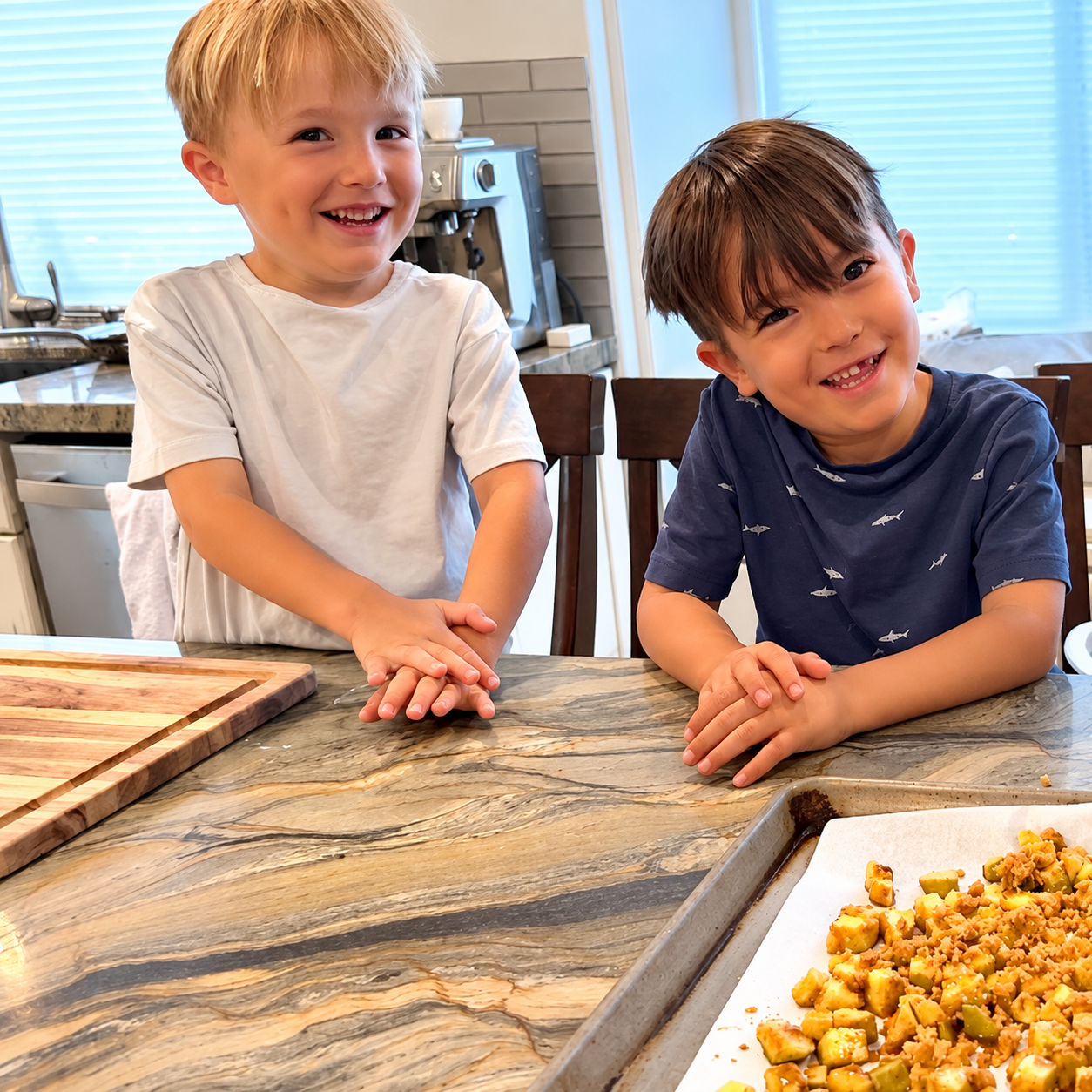
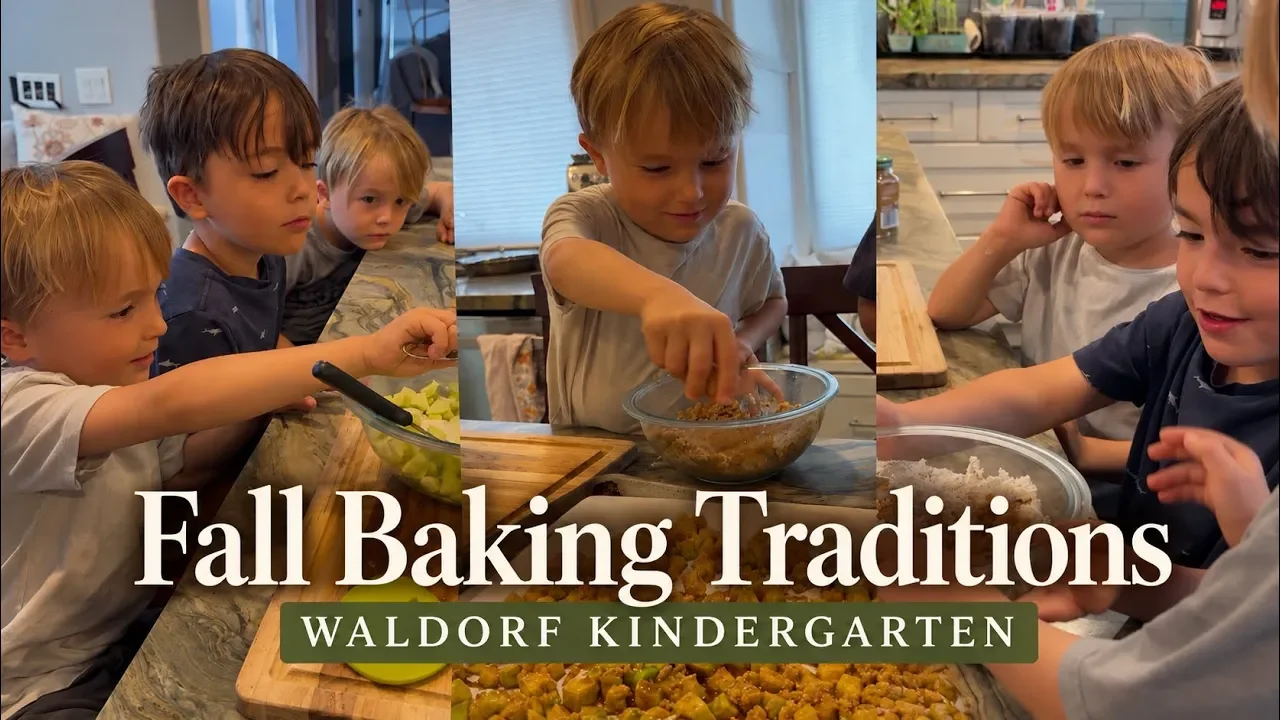
Our fourth day together centered around one of my favorite parts of kindergarten: working together in the kitchen. Every class includes some kind of cooking or baking because kindergarten is really about participating in the work of the home. Alongside those everyday tasks, we're also doing projects that strengthen fine and gross motor skills, develop the imagination, and meet the children where they are developmentally.
-
![]()
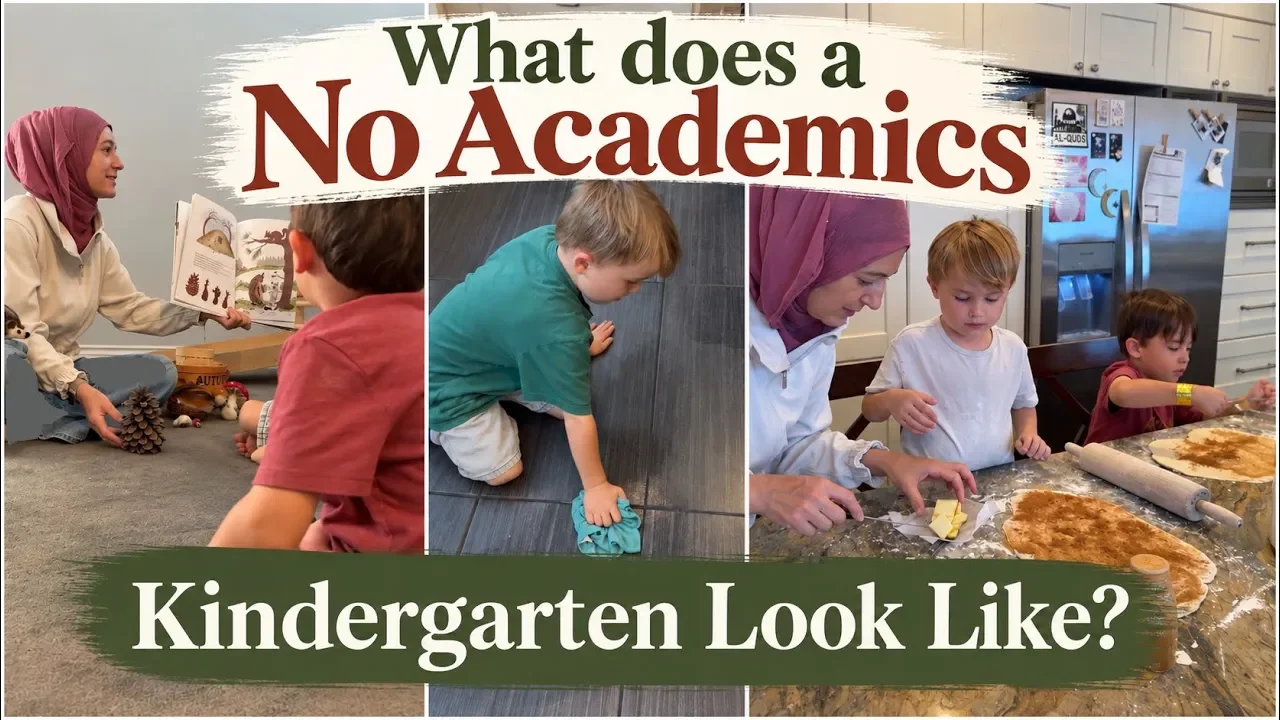
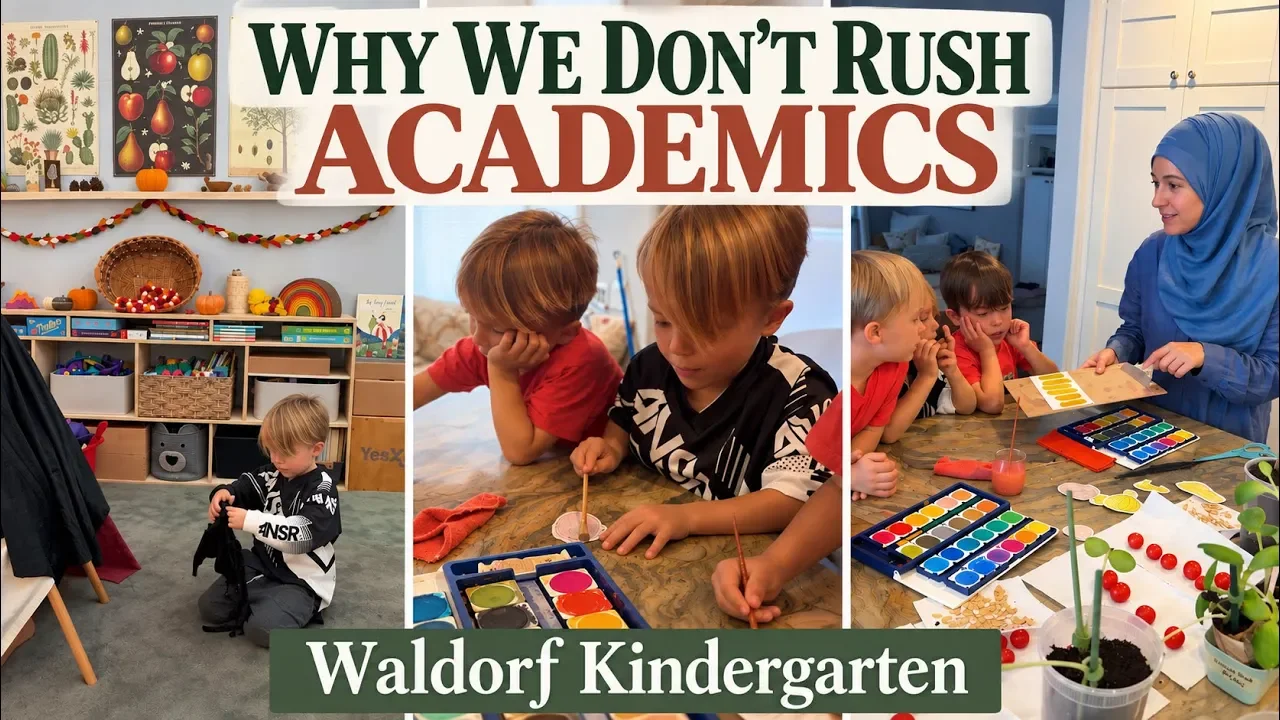
No Academics for Kindergarten?
Today was our fourth day homeschooling my four-year-old triplet nephews in our Waldorf-inspired kindergarten, and their 11-year-old brother joined us once again. This week was especially meaningful because my mother was able to spend the day with us as well. Alongside my sister-in-law and my 15-year-old daughter, it truly became a multi-generational learning environment.
-
![]()
What Are Waldorf Kindergarten Activities?
Today was our fifth day, Friday, September 4, 2026, of Waldorf-inspired kindergarten with my four-year-old triplet nephews, and our day looked a little different than usual. We typically meet on Tuesdays and Thursdays, but since I had Friday off this week, I invited my sister-in-law and the children over for an extra day together. We kept some of the familiar elements of our kindergarten rhythm, but shortened our schedule and allowed more time for free play.
-
![]()
Play is Meaningful Work for Kindergarten
I've been homeschooling my four-year-old triplet nephews for a few weeks now, and we're starting to establish a really solid rhythm. I'm still very much in the observation phase, learning more about the children and figuring out how much we can realistically accomplish each day. Time management continues to be one of my biggest challenges because we get so engaged in our projects. I'm realizing that two hours, twice a week, really isn't enough time for everything we want to do.
-
![]()
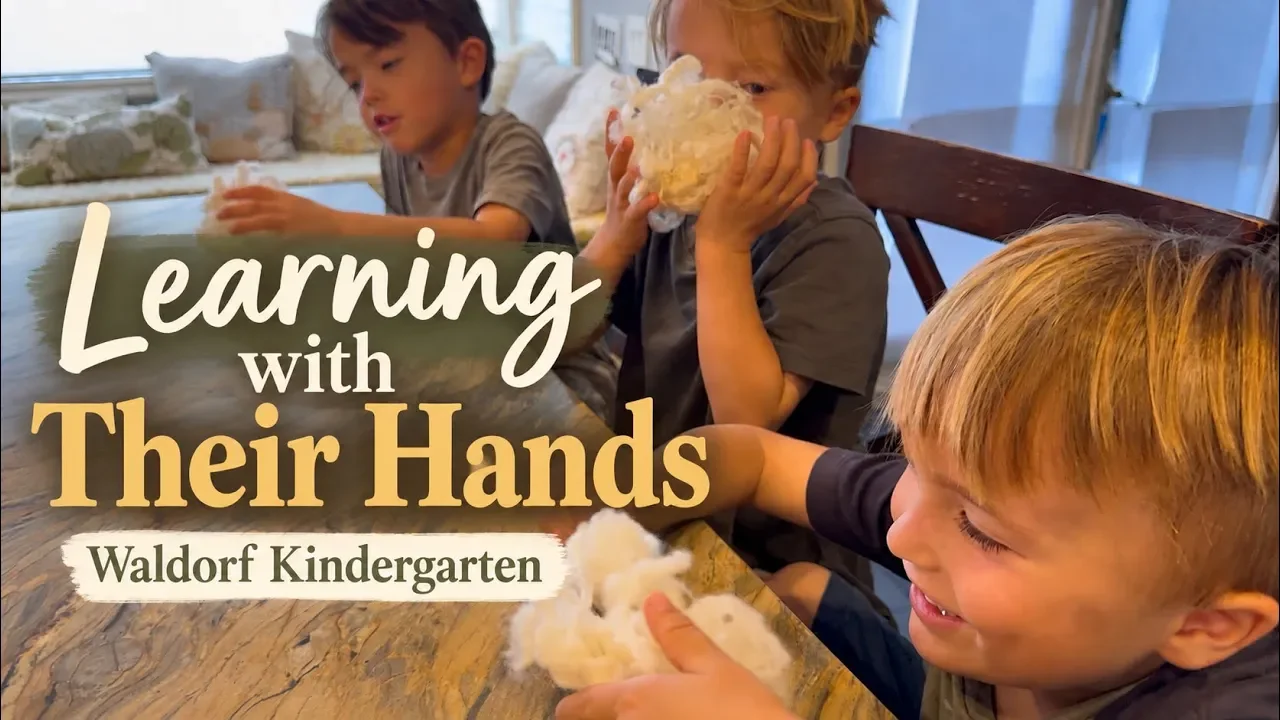
Wet Felting, Cooking & Storytime
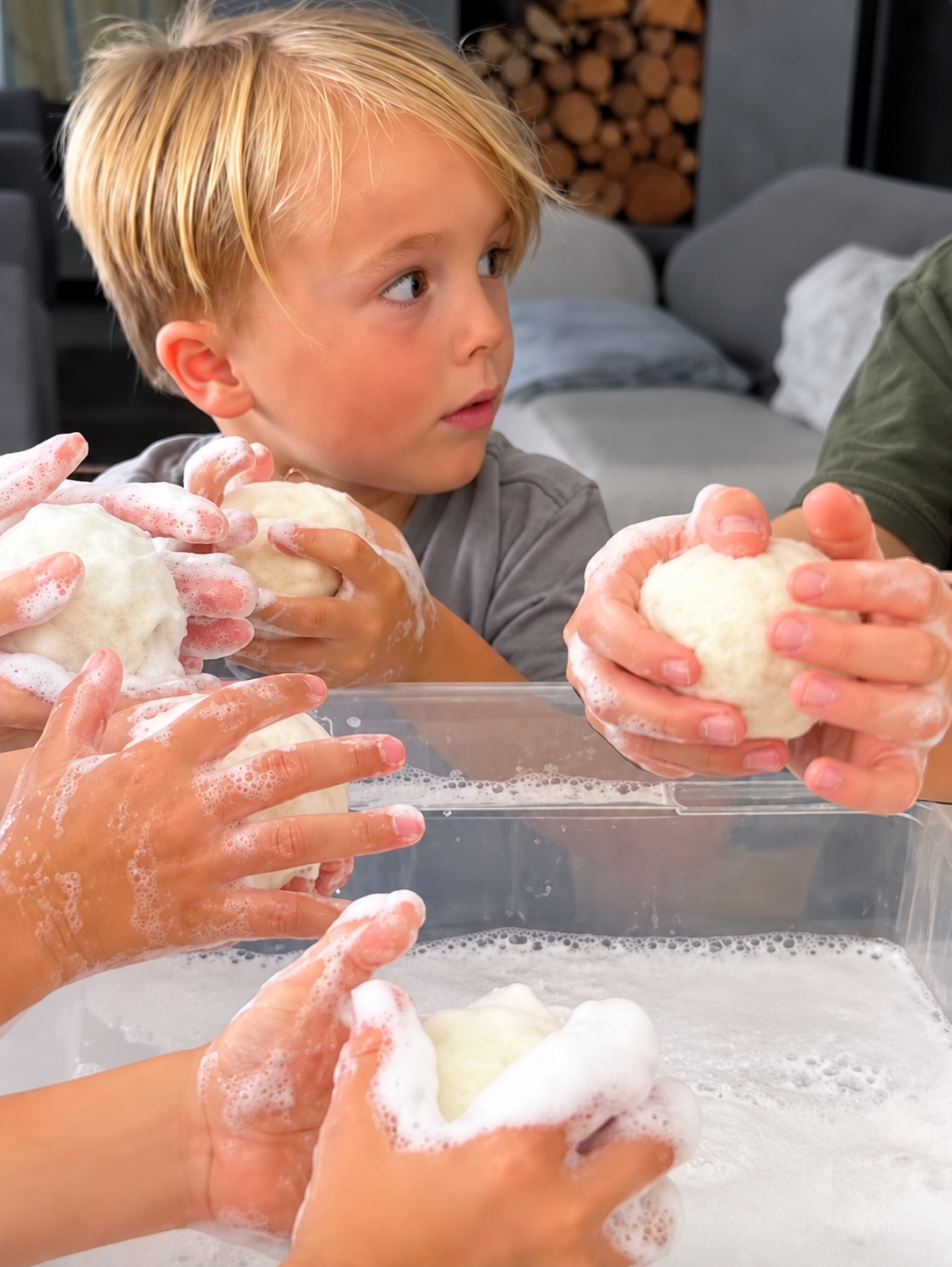
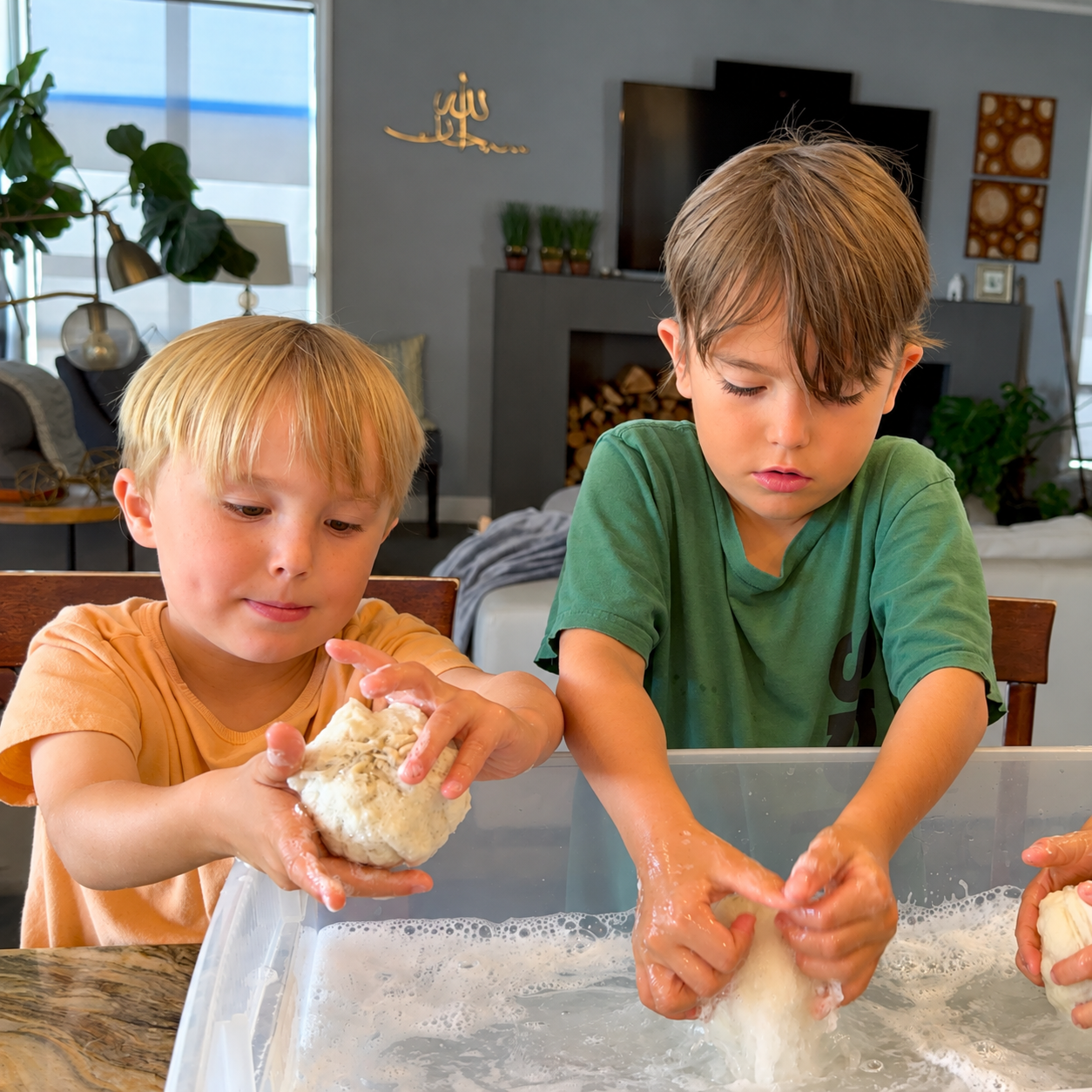
Many of our projects take several days to complete, and today we returned to the wool the children had cleaned and carded during our previous lesson. We're making wet felted wool balls, and I prepared the centers ahead of time using scraps of wool and yarn. The children wrapped their carded wool around the cores before we began felting them in warm and cold water.
-
![]()
How to Teach Watercoloring | Day 7
We started in the kitchen with butternut squash, acorn squash, carrots, and kale. Even though we’ve been doing quite a bit with gardening and seasonal foods, all of our work has had to happen indoors because we’re currently renovating both our front and backyard. Hopefully, eventually, we’ll be able to bring more of this work outside.
-
![]()
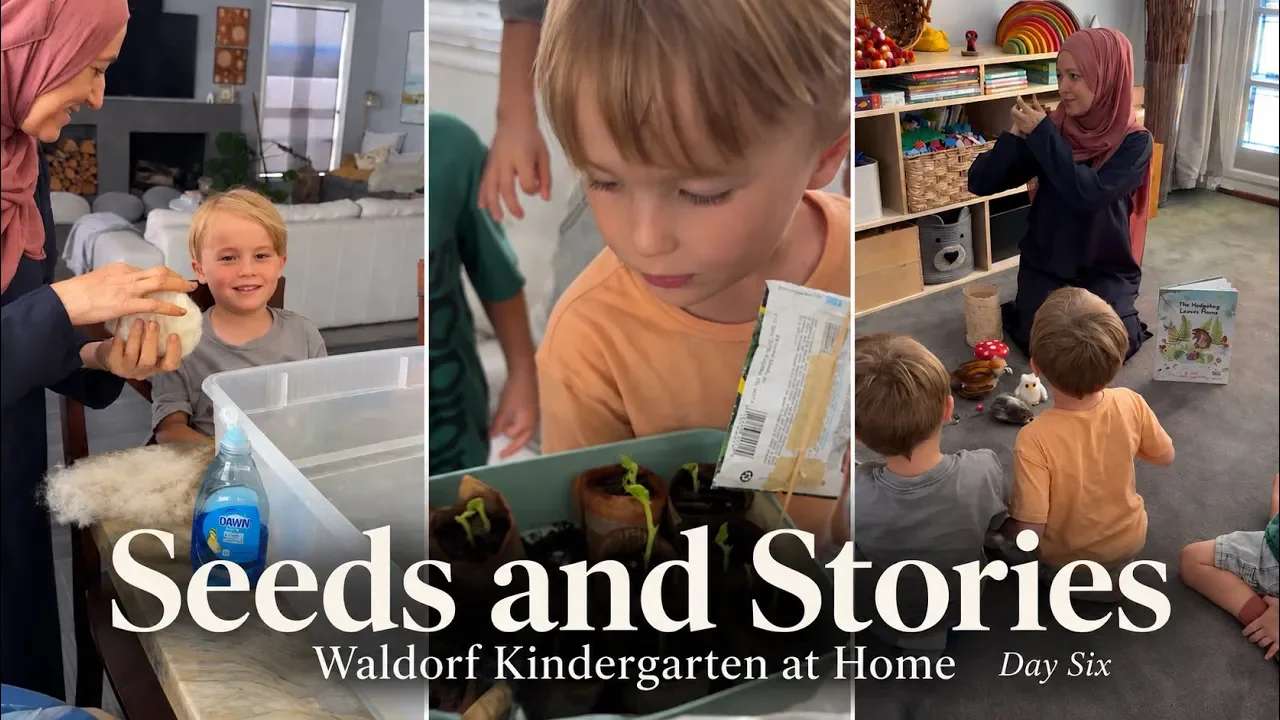
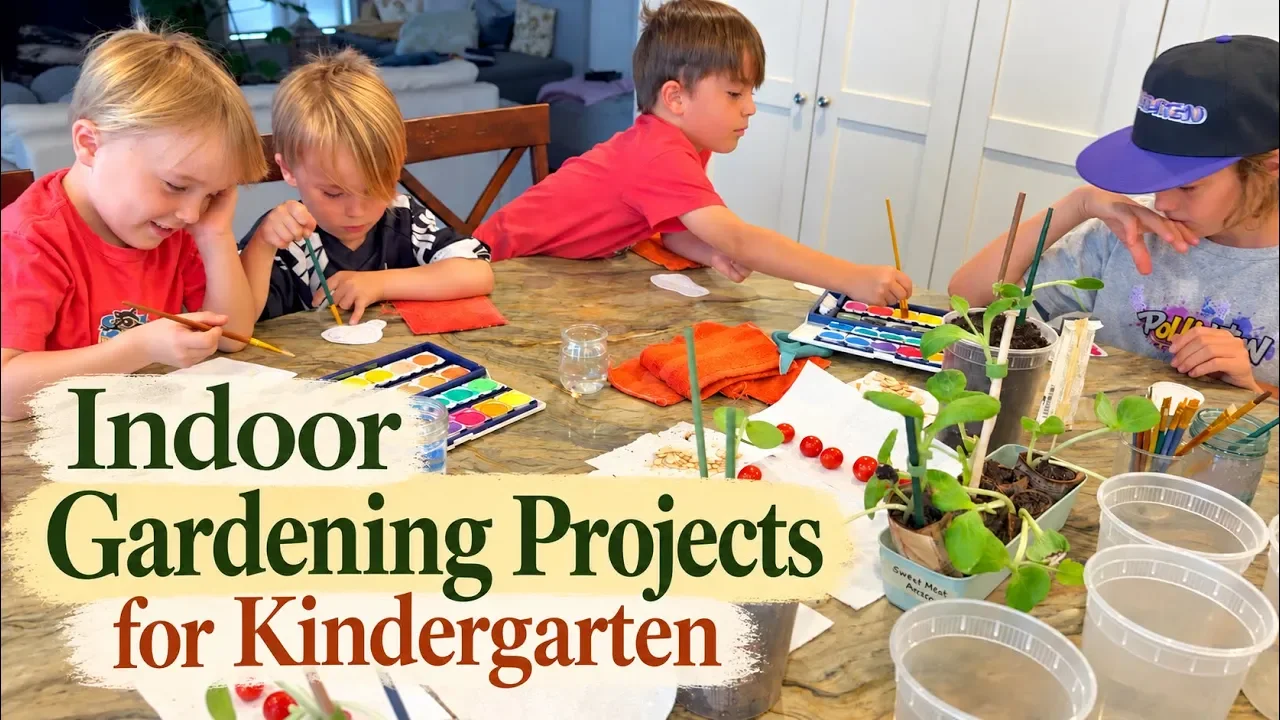
Indoor Gardening | Day 8
Each child was supposed to transplant one seedling, but when one of the children selected a little pot containing two seedlings, everyone else wanted two as well. Once the other children had their two seedlings, the first child wanted another pot, which meant he now had three plants. Naturally, the other two children noticed immediately! Everything needs to be either the same or completely different, and they are very particular about making sure everyone has their fair share!
-
![]()
No Academics Kindergarten | Day 8
Gardening is such a natural part of the kindergarten experience, and even when you cannot work outside, there is so much you can do indoors. We have saved seeds from our squash and tomatoes, planted seeds from packets my mom brought while she was visiting, made our own little newspaper seedling pots, watched the seeds sprout, and now we are transplanting them into larger pots.
-
![]()
How to Develop Gross and Fine Motor Skills in Kindergarten | Day 9
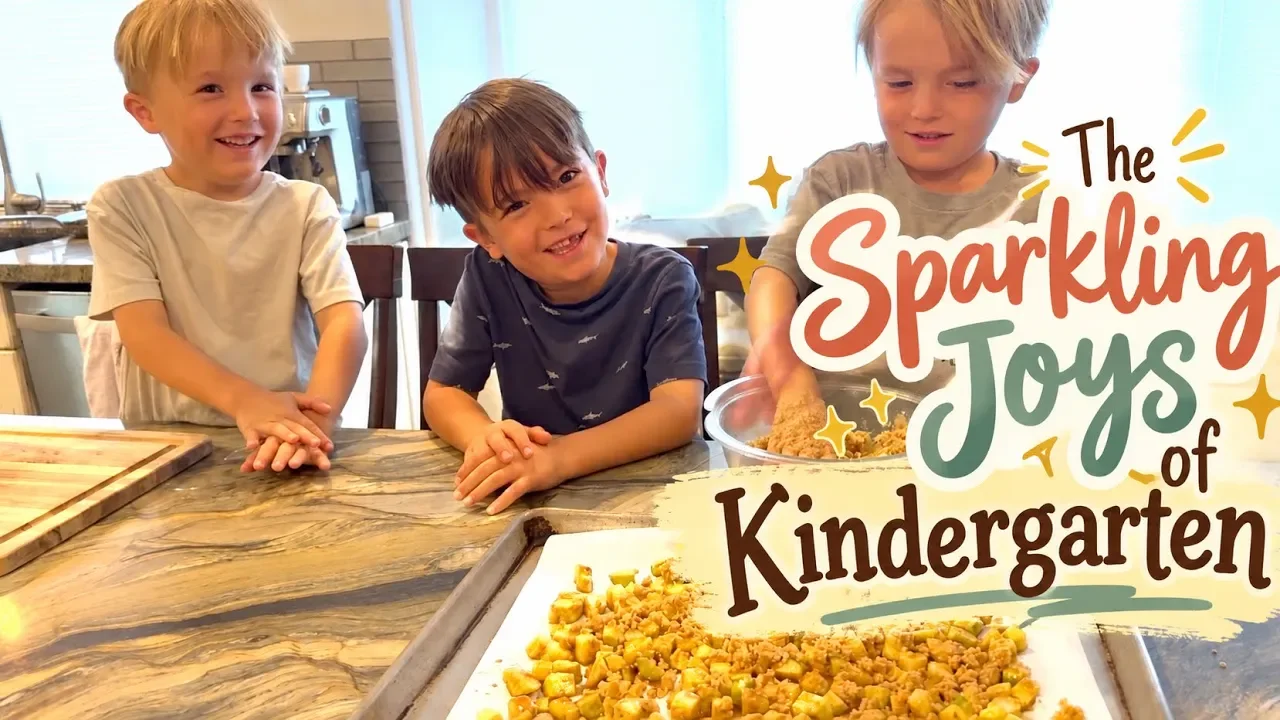
This is one of the reasons I love bringing cooking and baking into our kindergarten experience. These simple, meaningful activities provide so many opportunities for developing fine and gross motor skills, following directions, paying attention, practicing patience, and learning to take turns. All of these skills help establish the foundation for later academic learning.
-
![]()
Baking in Waldorf | Fall Recipes | Day 9
Today, we enjoyed a beautiful combination of gardening, baking, weaving, watercoloring, and free play with my four-year-old triplet nephews and their 11-year-old brother. We began our day by observing the growth of our seedlings and watering our plants. Some of our tomatoes didn't survive because we transplanted them a little too late, so my older nephew helped plant a few more seeds.
-
![]()
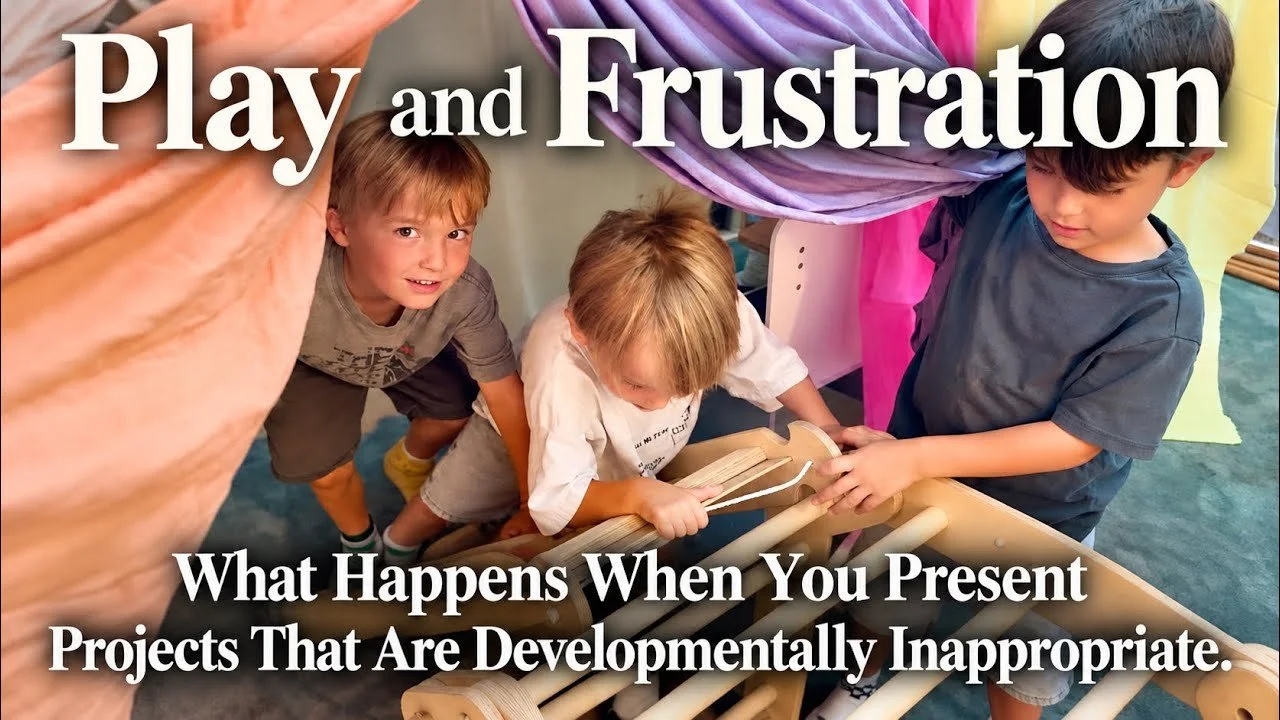
Developmentally Inappropriate Projects in Kindergarten | Day 10
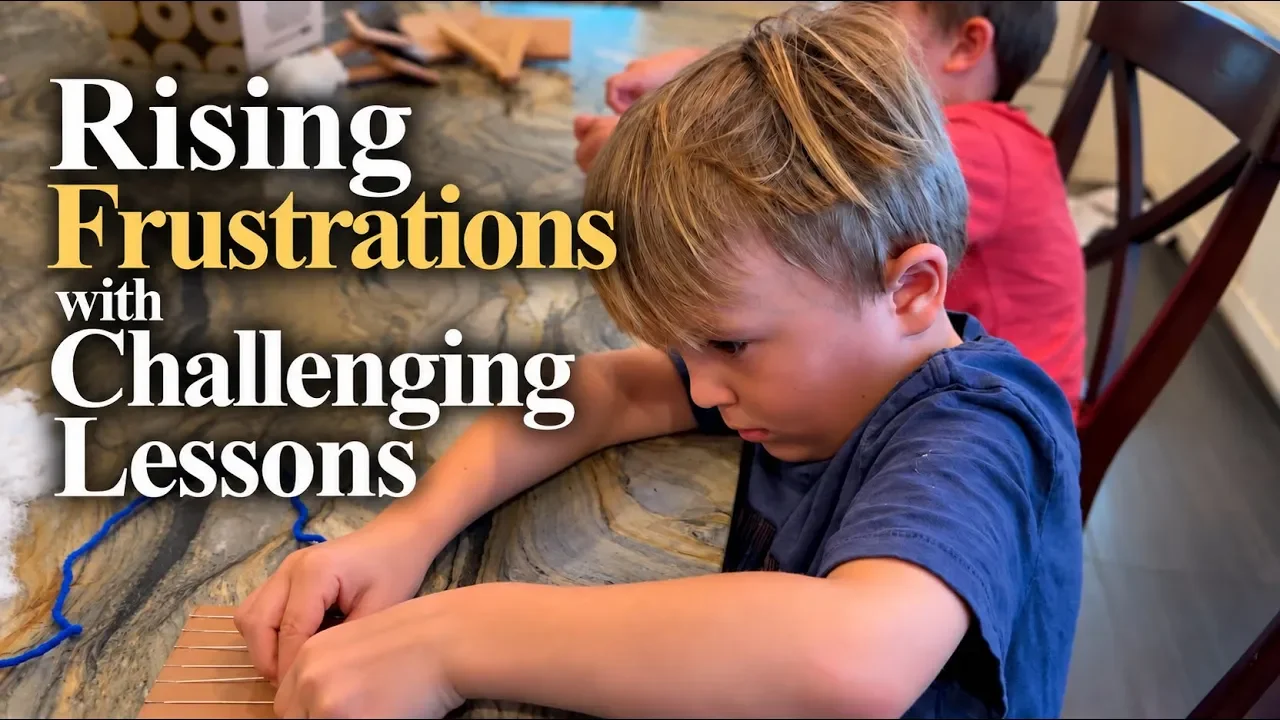
I tried introducing a smaller weaving project to the four-year-olds as well, but this was a good reminder to pay attention to developmental readiness. The process was frustrating for them, and rather than encouraging them to push through something that was simply too advanced, I decided the project needed to be reconsidered. A much larger weaving setup with bigger movements would probably have been more appropriate at this age.
-
![]()
Rising Frustrations with Challenging Lessons | Day 10
For the four-year-olds, though, I realized that this particular weaving project was too advanced. They became frustrated with the process of moving the yarn in and out of the warp. If I bring weaving back at this age, I would make it much larger and simpler so the movements are easier for them. This was another reminder to pay attention to developmental readiness rather than simply focusing on the finished project.
-
![]()
Fall is FINALLY Here | Day 11
The first thing they wanted to do was crack walnuts. I have this beautiful wooden walnut cracker, and each child took a turn cracking a walnut. We tried to keep the shells intact because I would love to turn some of them into little walnut-shell sailboats later. Even something as simple as cracking nuts becomes such satisfying work for young children.
-
![]()
Fall Morning Basket in Kindergarten | Day 11
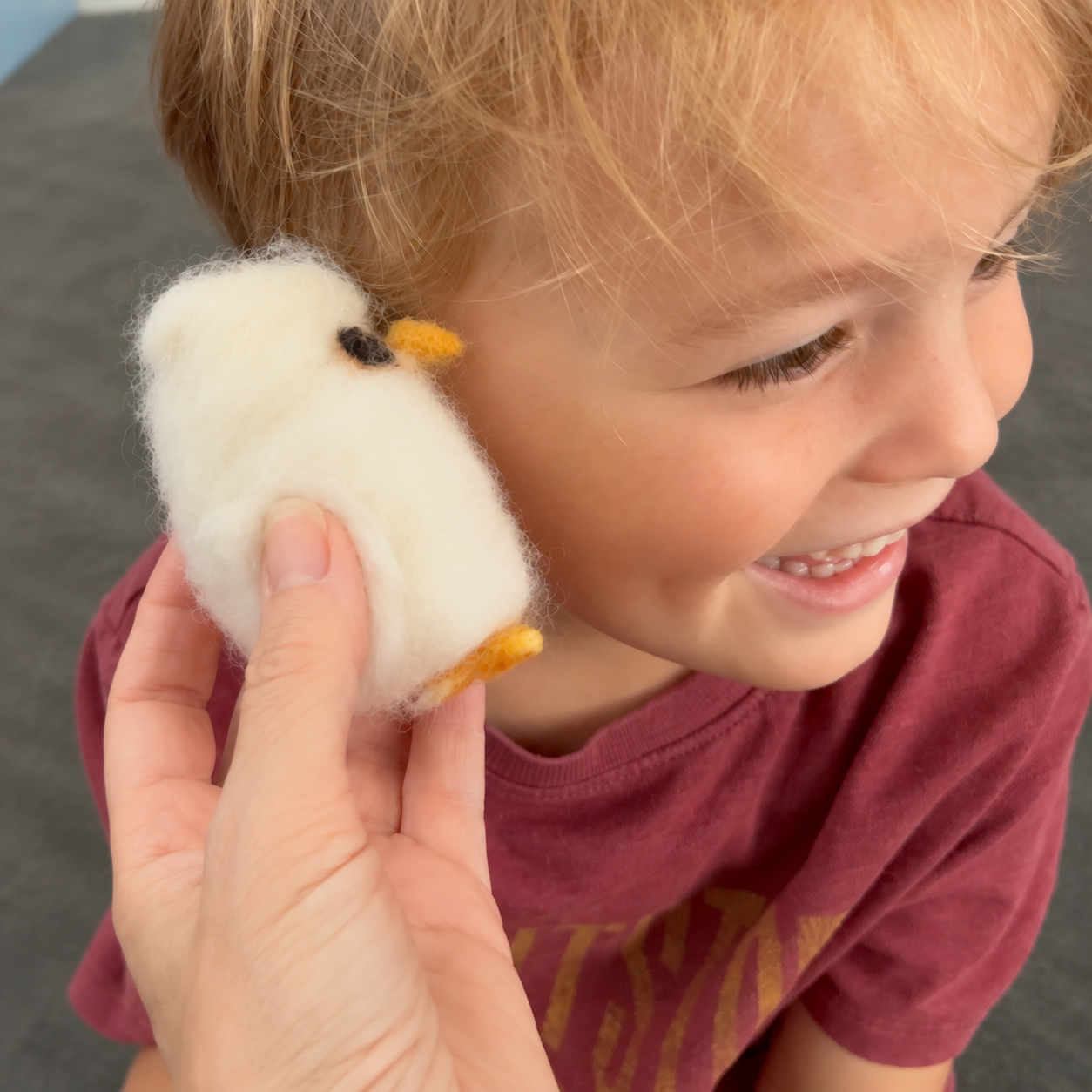
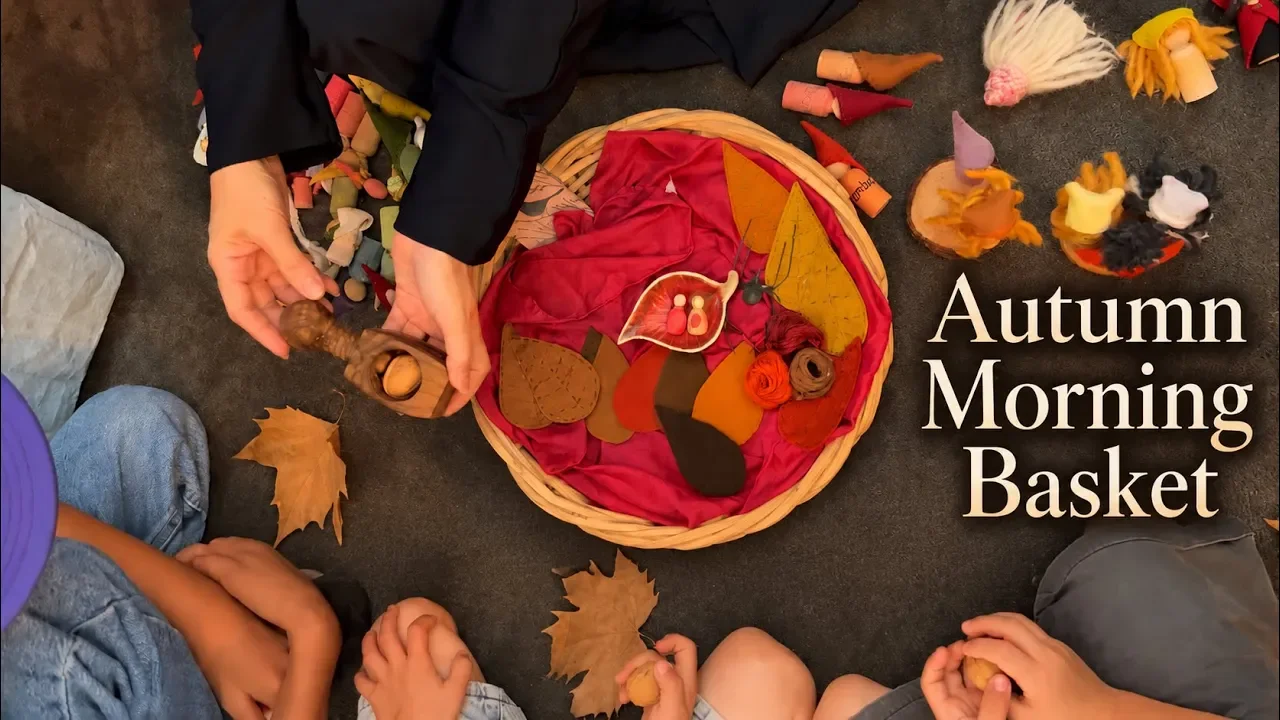
I prepared a basket filled with fall-inspired materials. There were some wool felt leaves that I had planned to use for an embroidery project, but the children were much more interested in some of the other things tucked inside the basket, so we simply followed their curiosity. They were completely charmed by the little wet-felted pumpkin and immediately wanted to make one of their own. I have not made that project in more than 10 years, since my own children were little, so I am absolutely delighted to bring it back for my nephews.
-
![]()
Why Can't Kindergarten Be About Play and Projects
The younger children moved into imaginative play with my 15-year-old daughter. Since we have been allowing more time for free play, our kindergarten days have stretched from about two hours to closer to three, but I think that extra time has been worthwhile. The play structure is large enough that each child can create a little space of their own, and they even have a slide tucked inside.
-
![]()
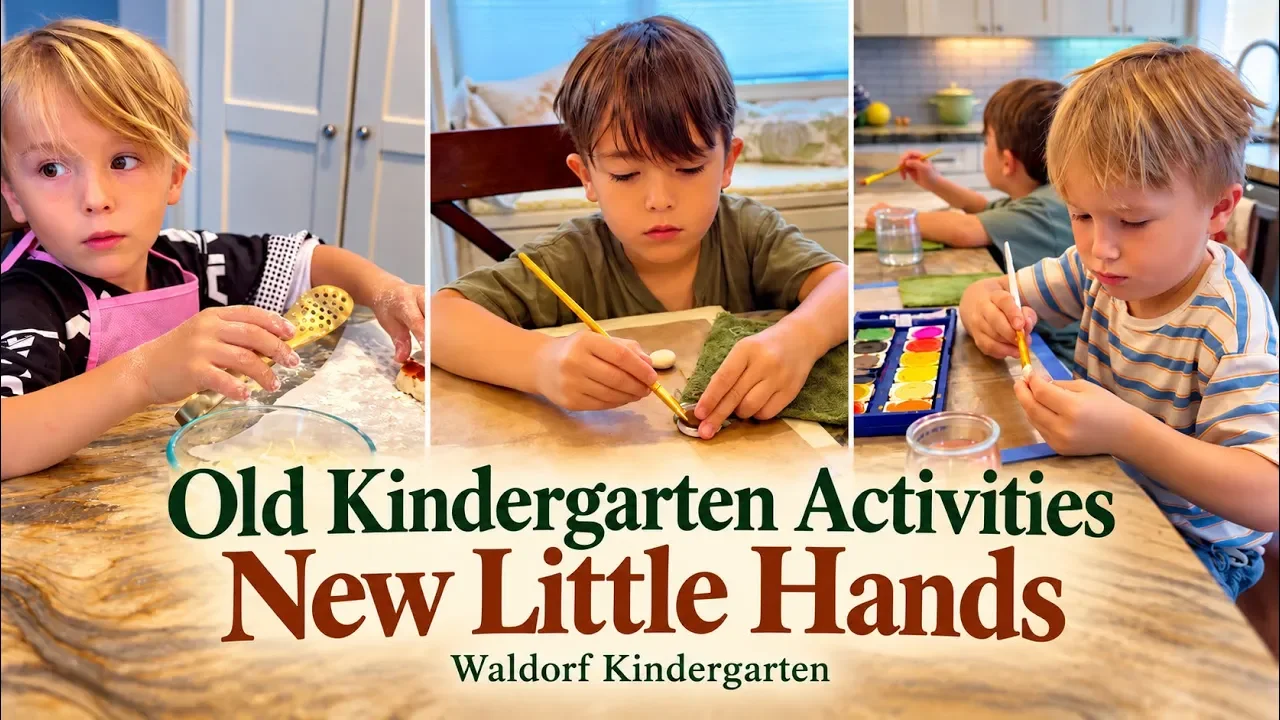
Old Kindergarten Activities, New Little Hands | Day 12
The children painted their own peg dolls in the colors of their choice using Lyra opaque watercolor pan paints. I actually loved that they were able to be part of making something that would become part of our seasonal activities instead of simply receiving something I had already prepared for them.


Kindergarten Hauls
-
![]()
Pretend Play Wooden Set
One of the things I'm most excited to bring into the preschool this year is this beautiful wooden play set from House of Talia. They create Palestinian and Arab-inspired toys that have such a uniqueness to them, and I love finding materials that reflect cultures and experiences that children may not encounter in their everyday play. This particular set includes hummus, olive oil, olives, pita bread, and za'atar, all made from wood with thoughtful details like magnets and little sensory elements that make the toys even more engaging for young children.
-
![]()
Play Silks & Wooden Toys
This homeschool haul is all about the beautiful Waldorf-inspired materials I picked up from Sarah's Silks for our new kindergarten and preschool homeschool space. Although I've finished homeschooling my own four children, I'm beginning a new adventure teaching my four-year-old triplet nephews two days a week. I'm excited to create a beautiful, inviting environment that encourages imaginative play, creativity, and wonder.
-
![]()
Rainbow Arches
I've always loved the beauty and simplicity of the Grimms Rainbow, but by the time I finally purchased one, my youngest daughter was already nine or ten years old and had outgrown that stage of imaginative play. Now that I'll be homeschooling my four-year-old triplet nephews a couple of days each week, I have the opportunity to create a preschool and kindergarten space that I never had when my own children were little.



Handwork Projects | Kindergarten
-
![]()
Heart Garland
The wonderful thing about this project is that you can do this in kindergarten and again in grade 6 when students pick up hand stitching again in the curriculum. Once you make one heart, it's so easy to get into a good rhythm, and before you know it, hours have passed and you have nearly 20 stitched hearts made from wool felt.
-
![]()
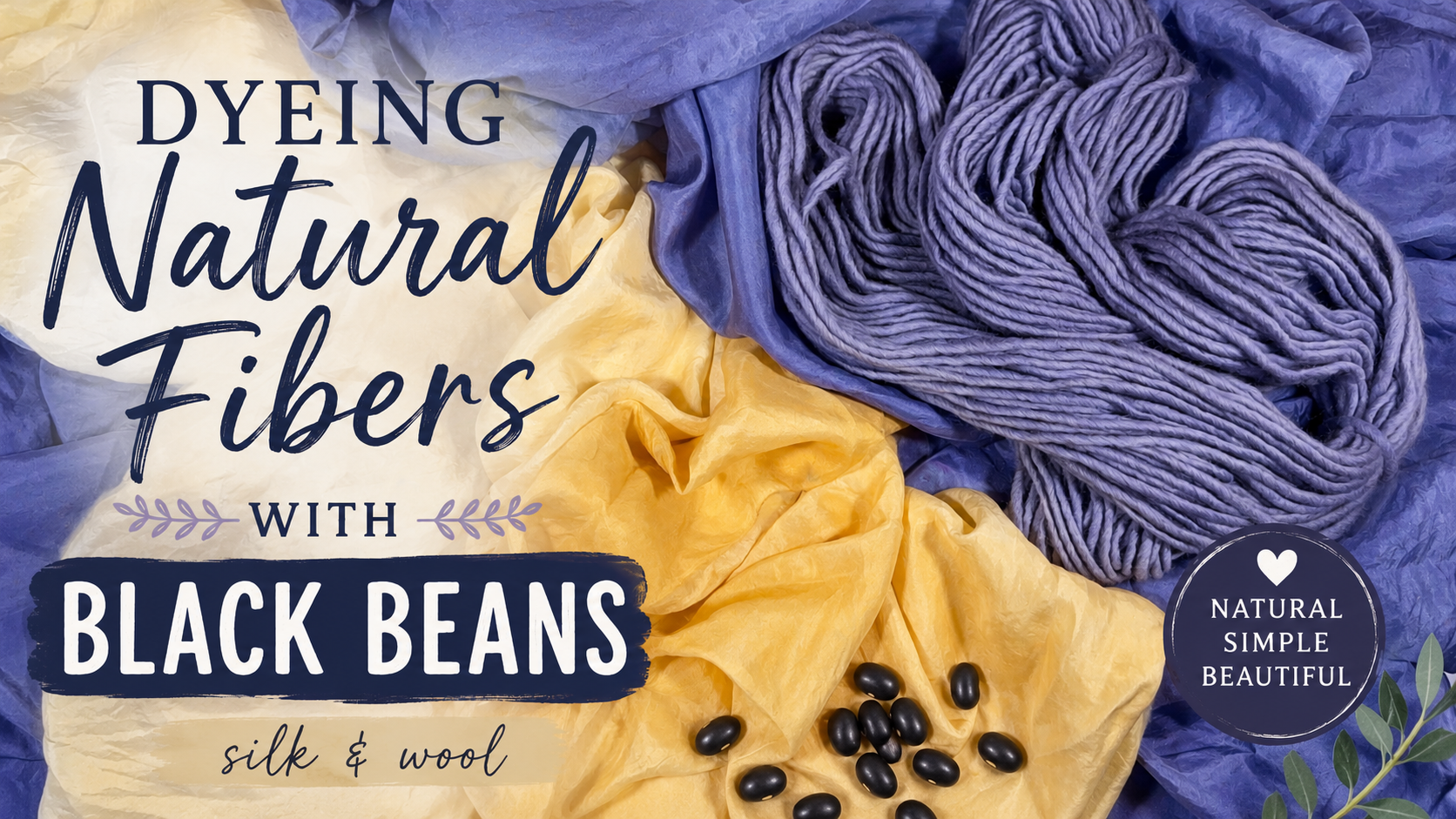
Natural Plant Dye | Using Black Beans to Dye Wool and Silk
Using plant dyes with natural fibers, the results are stunning. Did you know that you can get a beautiful lavender-blue shade from black beans? The final results completely exceeded my expectations. The silk developed a stunning lavender-purple color with subtle natural variations, while the wool absorbed an even richer shade than what appeared on camera.
-
![]()
Natural Dyes and Fabrics
Lately, I've completely fallen in love with natural dyeing, especially working with silk and wool. As I'm preparing for a new handwork position this fall, I've been practicing many of the projects we'll be doing in the classroom while also experimenting with different natural dye materials at home.
-
![]()
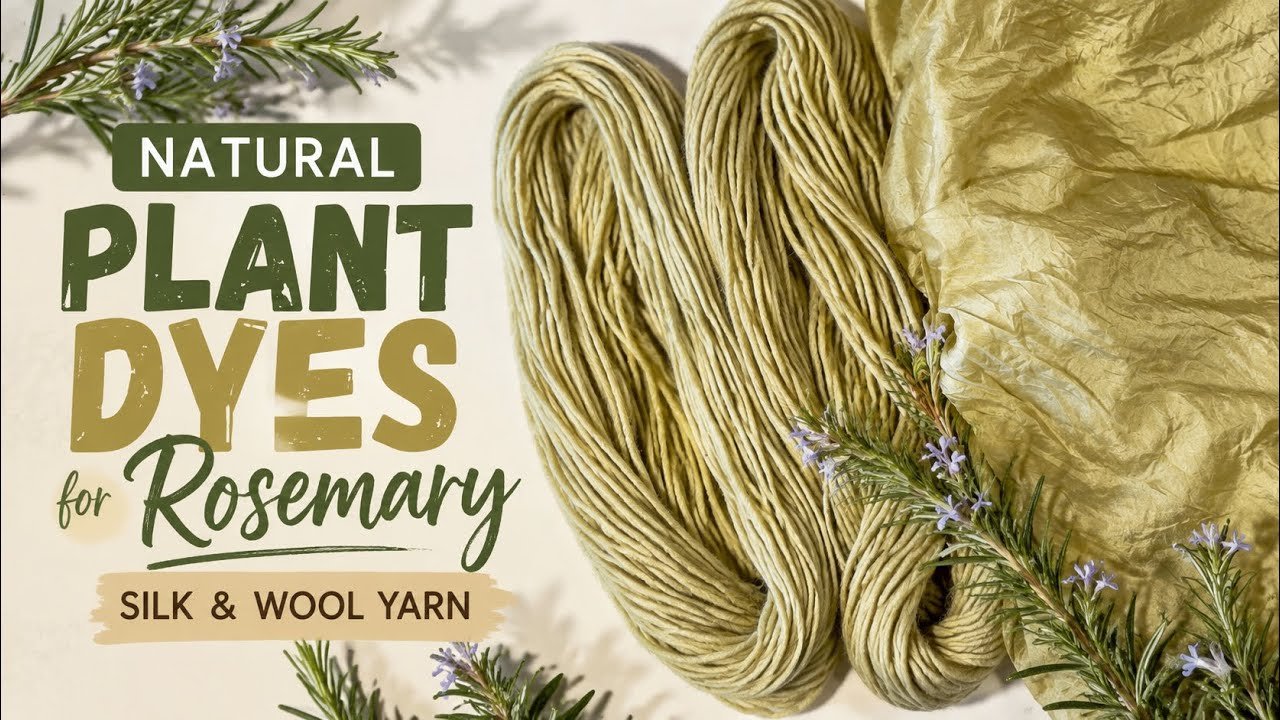
Natural Plant Dying Rosemary
Rosemary might not be the first plant that comes to mind when you think of natural dyes, but it creates one of the most beautiful soft chartreuse greens I've dyed so far. I was hoping for a deeper forest green, but after experimenting with multiple dye baths, different temperatures, and even a few modifiers, I discovered that rosemary naturally produces this gorgeous yellow-green color. It has become one of my favorite plant dyes.
-
![]()
Dying Silk and Wool with Avocado
Avocado pits and avocado skins are one of the most fascinating natural dyes because they produce colors you would never expect. Instead of green, they create beautiful blush pinks, dusty roses, and soft warm browns. I had been saving avocado pits and skins in the freezer for quite a while, and once I had collected enough, I decided to dye them separately to compare the colors they produced.
-
![]()
Plant Dyes: Henna, Turmeric, Madder Root, and Red & Brown Onion Skin
Natural dyeing continues to surprise me. Every time I try a new plant or revisit one I've used before, I learn something new about how the fibers respond, how long to leave them in the dye bath, and how dramatically the colors can change depending on the material. This time I experimented with five different natural dyes: turmeric, Tunisian henna, yellow onion skins, red onion skins, and madder root, using both silk and wool to compare the results.
-
![]()
Turkish Plant Dyes | Traditional Arts
My recent trip to Turkey gave me the opportunity to collect natural plant dyes that are local to the region. While we've already experimented with dyes like turmeric, onion skins, avocado pits, avocado skins, and rosemary here at home, I was excited to find materials that have a long history in Turkey's traditional arts and textile traditions.